There is a blog for Utah Moms for Clean Air. They have facts about how horrible the air is in Utah with all the inversion. It has been so bad this winter!
Here is a site to put in your zip code and see the scorecard of air quality.
Here are some quick facts and tips about why you shouldn't leave your car on:
1. Driving warms the car faster than idling
If your concern is not the health of the car, but simply your own creature comforts, Bob Aldrich of the California Energy Commission points out that “idling is not actually an effective way to warm up a car — it warms up faster if you just drive it.”
The coming electric cars, such as the Nissan Leaf, will incorporate a wonderful feature that allows the owner to use a cellphone to tell the car (which is plugged into the grid) to pre-warm or pre-cool the interior. No idling necessary.
2. Ten seconds is all you need
Environmental Defense Fund, which produced the Idling Gets You Nowhere campaign, advises motorists to turn off their ignition if they’re sitting stopped for more than 10 seconds.
“After about 10 seconds, you waste more money running the engine than restarting it, said Andy Darrell, deputy director of the EDF Energy Program. “Switch the car off at the curb, and you’ll be leaving money in your wallet and protecting the air in your community.”
3. Idling hurts the car
According to the Hinkle Charitable Foundation’s Anti-Idling Primer, idling forces an engine “to operate in a very inefficient and gasoline-rich mode that, over time, can degrade the engine’s performance and reduce mileage.”
The Campaign for an Idle-Free New York City points out that idling causes carbon residues to build up inside the engine, which reduces its efficiency.
4. Idling costs money
Over a year of five minutes of daily idling (which causes incomplete combustion of fuel), the “Anti-Idling Primer” estimates that the operator of a V8-engine car will waste 20 gallons of gasoline, which not only produces 440 pounds of carbon dioxide but costs at least $60.
5. Idling in the garage can kill you
Idling a car in a garage, even with the door open, is dangerous and exposes the driver to carbon monoxide and other noxious gases. If the garage is attached, those fumes can also enter the house.
6. Block heaters beat remote starters
Lori Strothard of the Waterloo Citizens Vehicle Idling Reduction Task Force in Canada says, “Remote starters can too easily cause people to warm up their cars for 5 to 15 minutes, which is generally unnecessary.”
A block heater, which is designed to heat the engine and can cost under $30, on a timer set to start one to two hours before driving, does the trick in very cold climates.
7. Quick errands aren’t quick enough
Natural Resources Canada points out that leaving your car idling while you’re running into a store on an errand or going back into the house to pick up a forgotten item is another way to waste gas and pollute both your town and the planet.
“Leaving your engine running is hard on your pocketbook, produces greenhouse gas emissions, and is an invitation to car thieves,” the agency (PDF) says.
8. Idling is bad for your health (and your neighbor’s health)
According to Minneapolis’ anti-idling ordinance, “Exhaust is hazardous to human health, especially children’s; studies have linked air pollution to increased rates of cancer, heart and lung disease, asthma and allergies.”

February 19, 2013


Goodreads List 2013
This year we are trying something different. We will post a theme each month. Then you can choose which books to read. Then post a little blurb about which book you read so we can share what we are learning.
January - Spiritual
Pick a spiritual book...maybe this one you can choose to read on Sundays throughout the year, to set-apart Sunday as a day of rest from your other books and busy mindset. Let it be anything uplifting.
February - Recipe Book
Try some new types of recipes. God fing a great recipe book and share with us what it is and some of the recipes you've tried and liked.
March - Classics
Pick a classic. Choose from any of the well-known authors of the past: Jane Austen, Charles Dickens, Stephen Robinson, etc. Try this list of must-read classics.
April - Spy/Action
Warm yourself up this chilly spring month of showers with a good adventure.
May - Hobby/Craft How-to Book
Have you been wanting to learn something? Go check out a book at the library and try to make, build, create something.
June - Book Club Recommendation
Ask your library or neighbor about a favorite book they suggest you read. (You can refer to our Greenreads list for greenread recommendations)
July - Patriotic
Go check out a book about the civil war or revolutionary war era or about the people involved in those times.
August - Sci-fi/Fantasy
Try something new and interesting for your imagination.
September - Biography
Pick someone to learn about. Try a poet or author. What about a past President or ruler?
October - Halloween
Find something in the Halloween spirit; not too dark, but filled with mystery and surprises.
November - Poetry
Go check out some poetry books. Read classics like Emily Dickenson or Robert Frost. Or try humorous ones like Shel Silverstein.
December - Christmas
Go find something in the Christmas spirit with an uplifting message about the true meaning of the Christmas season and giving.
January - Spiritual
Pick a spiritual book...maybe this one you can choose to read on Sundays throughout the year, to set-apart Sunday as a day of rest from your other books and busy mindset. Let it be anything uplifting.
February - Recipe Book
Try some new types of recipes. God fing a great recipe book and share with us what it is and some of the recipes you've tried and liked.
March - Classics
Pick a classic. Choose from any of the well-known authors of the past: Jane Austen, Charles Dickens, Stephen Robinson, etc. Try this list of must-read classics.
April - Spy/Action
Warm yourself up this chilly spring month of showers with a good adventure.
May - Hobby/Craft How-to Book
Have you been wanting to learn something? Go check out a book at the library and try to make, build, create something.
June - Book Club Recommendation
Ask your library or neighbor about a favorite book they suggest you read. (You can refer to our Greenreads list for greenread recommendations)
July - Patriotic
Go check out a book about the civil war or revolutionary war era or about the people involved in those times.
August - Sci-fi/Fantasy
Try something new and interesting for your imagination.
September - Biography
Pick someone to learn about. Try a poet or author. What about a past President or ruler?
October - Halloween
Find something in the Halloween spirit; not too dark, but filled with mystery and surprises.
November - Poetry
Go check out some poetry books. Read classics like Emily Dickenson or Robert Frost. Or try humorous ones like Shel Silverstein.
December - Christmas
Go find something in the Christmas spirit with an uplifting message about the true meaning of the Christmas season and giving.
February 7, 2013
Why See a Chiropractor?
We've never really saw or thought we needed to see a chiropractor before, but we started looking into it because we'd heard various accounts of people getting better from random ailments because of a chiropractor. Are you one of the many people who think chiropractors only work with back problems or similar things? OR like me who worried that once you see a chiropractor they're going to try to milk you of your money to get regular visits and make your body dependent on needing to visit them regularly. Or that the art of chiropractic care is "bad," like popping knuckles (supposedly)? Well, it's not. And the pop you hear is just the trapped gas...not bone. They answer to these questions is to figure out what chiropractic care is and maybe try it.
I at one point in time thought all of these things. And I still don't like that appointments cost money and frequently aren't covered by insurance. But...I've been learning a lot about chiroprctic care and learning which things are true and which are silly. IT's amazing how simply understanding the body a little better hasgiven me a greater appreciation for what chiropractors do. If you're not very well versed in the fact that your spine is also where all your nerves pass through, then you're probably sceptical about chiropractors.
My chiropractor considers himself a Dr., who uses chiropractic care to help with the body on a whole. Alinements of the spine are to help correct many problems all over the body, that many times begin with the nerves. He's helped people with allergies and ailments that related to their nervesbeing pinched because their spine was out of alignment. That's actually how it all started. A man helped someone who was deaf from birth get his neck straightened out, and by doing that, the part of his neck that was pinching the nerve going to his ear was no longer a problem and he could hear. Now that's not everyone's problem who was deaf--sometimes it's cause is from other sources, but it was the problem in this situation.
But we've had great sucess with Paul's neck and sinus problems. We've been seeing the chiropractor for the last 5 months. Paul's neck was way out of whack--three inches forward from where it should be. The x-ray guy at another place said Paul's neck couldn't even scan properly because it was so far forward. (Must be all the computer/laptop work he's done for the last decade...pulling his neck forward). So he's been training his neck forward and getting regular adjustments. And guess what? His sinus problems have been severely minimized these last 3 months. We'll keep you posted on further updates, but so far we're really happy about it and his neck is corrected one inch . Now just two more to go. And we'll see how he fares this summer with his sinus issues. As for me, I'm trying stuff for digestive issues and a weak left ankle--pronation.


Here are two awesome photos about what nerves are related to what parts of the spine. Where do you typically get pain in your back and neck? Look it up on this chart and see if it relates to other symptoms you experience.
My chiropractor does is holistic and performs simple muscle testing to check the basic points of your body's systems for weakness: sinus, emotional, stomach, intestines, thyroid, etc. So sometimes he'll check and tell me my adrenal gland is off and will present some options to fix that underlying problem. He advocates good nutrition as the main problem most people need to start with. Afterall, if you're not putting the right fuel into the vehicle, how can you expect the vehicle to run very long, or well?
And here are some paragraphs I took from my Chiropractor's website that I like: (this isn't an ad for him)
I at one point in time thought all of these things. And I still don't like that appointments cost money and frequently aren't covered by insurance. But...I've been learning a lot about chiroprctic care and learning which things are true and which are silly. IT's amazing how simply understanding the body a little better hasgiven me a greater appreciation for what chiropractors do. If you're not very well versed in the fact that your spine is also where all your nerves pass through, then you're probably sceptical about chiropractors.
My chiropractor considers himself a Dr., who uses chiropractic care to help with the body on a whole. Alinements of the spine are to help correct many problems all over the body, that many times begin with the nerves. He's helped people with allergies and ailments that related to their nervesbeing pinched because their spine was out of alignment. That's actually how it all started. A man helped someone who was deaf from birth get his neck straightened out, and by doing that, the part of his neck that was pinching the nerve going to his ear was no longer a problem and he could hear. Now that's not everyone's problem who was deaf--sometimes it's cause is from other sources, but it was the problem in this situation.
But we've had great sucess with Paul's neck and sinus problems. We've been seeing the chiropractor for the last 5 months. Paul's neck was way out of whack--three inches forward from where it should be. The x-ray guy at another place said Paul's neck couldn't even scan properly because it was so far forward. (Must be all the computer/laptop work he's done for the last decade...pulling his neck forward). So he's been training his neck forward and getting regular adjustments. And guess what? His sinus problems have been severely minimized these last 3 months. We'll keep you posted on further updates, but so far we're really happy about it and his neck is corrected one inch . Now just two more to go. And we'll see how he fares this summer with his sinus issues. As for me, I'm trying stuff for digestive issues and a weak left ankle--pronation.

Here are two awesome photos about what nerves are related to what parts of the spine. Where do you typically get pain in your back and neck? Look it up on this chart and see if it relates to other symptoms you experience.
My chiropractor does is holistic and performs simple muscle testing to check the basic points of your body's systems for weakness: sinus, emotional, stomach, intestines, thyroid, etc. So sometimes he'll check and tell me my adrenal gland is off and will present some options to fix that underlying problem. He advocates good nutrition as the main problem most people need to start with. Afterall, if you're not putting the right fuel into the vehicle, how can you expect the vehicle to run very long, or well?
And here are some paragraphs I took from my Chiropractor's website that I like: (this isn't an ad for him)
Many people think chiropractic is about bones, especially spinal bones. But the fact is, we're much more interested in nerves. In particular, the nerve messages that travel between the brain and the body and from the body back to the brain.
Any type of disruption can distort or disturb the integrity of the controlling and regulating messages from the brain. The result can be ill health. Because the nervous system controls every cell, tissue, organ and system of your body, chiropractic care can help a wide variety of health problems.
Pain is a symptom. A signal. A sign. Pain is no more a problem than a traffic signal or your alarm clock announcing that it's time to start the day. If there's a problem, it's the meaning we attach to the pain.
When we meet patients who are in pain, besides being compassionate, our first thought is that they must have exceeded some physical, chemical or emotional limit to which they can no longer adapt. So, while we're interested in the pain, we're even more interested in what was the underlying cause of the pain. Plus, what should the patient do to avoid this in the future?
If you know someone who is shopping organically and reducing their dependence upon processed foods, but not getting regularly adjusted, they may be overlooking a key point.
Let's say you go to your favorite supermarket for your weekly shopping. And because you've wisely shopped the perimeter of the store where the fresh foods are, you return home and put things away in your fridge.
But you overlooked one little detail. It's not plugged in! So the fridge has a major subluxation at the electrical outlet.
In the same way your fridge cannot preserve, protect and prolong the vitality of your foods without a properly functioning electrical system, your body cannot properly digest, assimilate and eliminate foods with a subluxation interfering with your digestive system.
So it doesn't matter how healthy your organic food choices are, because your body won't be making the most of those healthy choices.
Your nervous system runs the whole show. If it doesn't work right, you don't work right. And if you're not working right you can't fully benefit from organic food, gym membership and other healthy habits.
Greenreads: The Art of Baking with Natural Yeast

This is a fantastic book on learning about making and using natural yeast--sourdough.
It tells you how to make a basic starter. And there is a helpful chart for troubleshooting. They also include how to easily convert regular recipes for sourdough. What I'm really interested in is the use of natural starter, instead of commerical yeast. It looks like the ratio is 1/4 cup sourdough start for every 2 tsp. commercial yeast. (at least for his sourdough start, which is 100% hydration--this means equal parts water to flour ratio.
Anyway, anyone interested in sourdough should get this books. It's only $12 at Costco right now and Caleb Warnock is from Utah...I'm not sure about the other author.
Stay tuned on our nourish recipe blog for recipes with this starter and a Sourdough 101 post if you want to try your own. They make it pretty easy. We've already made pancakes with it.
FYI, my mom got me one of Caleb's other books. It's helpful for thinking of other self-sufficient ways of life, though it's not very in-depth, so you'd have to go do your own further research on particular aspects you're interested in. But it's a great start to thinking about other ways to be more self-sufficient.

Event Notes: Real Food - Food Storage Notes
KerryAnn, from cooking traditional foods, had a food storage webinar I listened to about how to store real food that you eat regularly....now this is based on a real food diet (not processed foods). She's gone through two years of food supplies due to job loss and has experienced many week long power outages. She also has been cooking with real food for many years.
Here is an outline of her recommendations for real food storage.
First she said the rule of three (have three ways to do/get each of the following things):
1. Cook (oven/stove, Dutch oven, grill, etc.)
2. Heat and cool
3. Water
4. Clean (self, clothes, dishes, bathroom, etc.)
Then she gave per person serving recommendations for food storage you regularly rotate (real foods/whole grains...this isn't for people who want to eat lots of processed stuff) which are surprisingly similar the lds food storage calculator:
Grains- 200-300 lbs/adult male (freeze bulk grains for 72 hrs before placing in buckets with oxygen packs...to kill bugs. Though lds.)
Water- 1 gallon a day/person (including cooking and hygiene needs)
Legumes/beans- 80-90 lbs/adult male per year (freeze 72 hrs prior to placing bulk in buckets)
Fruit- 1-2 servings per day/person
Veggies- 2-4 servings per day/person
Fats- 14-16 qts/person (freeze animal fats and include variety: coconut oil, butter, lard, etc.)
Salt- 8-10 lbs/person (use real salt, not refined white salt)
Sweeteners- 35lbs/person (honey, maple, Rapudura...variety is good)
Meat- 400 lbs/person
Dairy- waxed cheeses are great to store.
Eggs- best to have chickens if possible, but if not your can use chia or flax seeds as baking alternatives.
Then she touched on other items: (but I was more interested in hearing this real food twist on food storage for this particular post)
Condiments -- fermented mayo, ketchup, sauerkraut, etc.
Toiletries
Seeds (to plant or sprout...depending on season)
Extra clothes
First aid
Other gear, etc.
I will be posting a more in-depth Food Storage 101 handout later. These are just my notes from this event.
Here is an outline of her recommendations for real food storage.
First she said the rule of three (have three ways to do/get each of the following things):
1. Cook (oven/stove, Dutch oven, grill, etc.)
2. Heat and cool
3. Water
4. Clean (self, clothes, dishes, bathroom, etc.)
Then she gave per person serving recommendations for food storage you regularly rotate (real foods/whole grains...this isn't for people who want to eat lots of processed stuff) which are surprisingly similar the lds food storage calculator:
Grains- 200-300 lbs/adult male (freeze bulk grains for 72 hrs before placing in buckets with oxygen packs...to kill bugs. Though lds.)
Water- 1 gallon a day/person (including cooking and hygiene needs)
Legumes/beans- 80-90 lbs/adult male per year (freeze 72 hrs prior to placing bulk in buckets)
Fruit- 1-2 servings per day/person
Veggies- 2-4 servings per day/person
Fats- 14-16 qts/person (freeze animal fats and include variety: coconut oil, butter, lard, etc.)
Salt- 8-10 lbs/person (use real salt, not refined white salt)
Sweeteners- 35lbs/person (honey, maple, Rapudura...variety is good)
Meat- 400 lbs/person
Dairy- waxed cheeses are great to store.
Eggs- best to have chickens if possible, but if not your can use chia or flax seeds as baking alternatives.
Then she touched on other items: (but I was more interested in hearing this real food twist on food storage for this particular post)
Condiments -- fermented mayo, ketchup, sauerkraut, etc.
Toiletries
Seeds (to plant or sprout...depending on season)
Extra clothes
First aid
Other gear, etc.
I will be posting a more in-depth Food Storage 101 handout later. These are just my notes from this event.
Funtastic Friday: Shelf Liners to Jewelry Organizers...
So, I've been pinning ways to organize jewelry on Pinterest for quite some time now...always thinking, "I'll get to organizing my jewel, that's crammed in a tiny jewelry box, someday."
Well, that someday has come! I found some cute shelf liner paper at the dollar store and thought I'd try it out in my kitchen. It was perfect and cute, so I bought a big thing of it at the local grocery store and redid my kitchen drawers, shelves, pantry, etc.


I also did a wood-looking swatch under the sink, which looks great, I think.

Then I got paper-happy and put it all over my old ugly white dresser Paul doesn't like. He did say this was a step up (but I'm sure he'd rather see it go).

But, doing the kitchen shelves made me pull out the old shelf liner stuff we had in there before that is somewhat foamy and not adhesive at all. It moved around a ton. So I up cycled! Talk about inspiration. It reminded me of lace, and I had pinned a laced background in a frame for hanging earrings.

And voila, after reusing an old frame I had laying around and stapling the old dollar store foam shelf liner on the back, I now have a great way to see all my earrings. And talk about a sceptic...my husband thought I was so weird being a frugal junkie. But now he actually thinks it turned out nice and he doesn't mind looking at it...which is huge!
Now I just need to figure out how to hang my necklaces, bracelets and headbands. :)
P.s. the sticky shelf liner paper doesn't stick to chipboard stuff...but it sticks great to the shelves and is super easy to peel off and put back if placed down wrong.
Well, that someday has come! I found some cute shelf liner paper at the dollar store and thought I'd try it out in my kitchen. It was perfect and cute, so I bought a big thing of it at the local grocery store and redid my kitchen drawers, shelves, pantry, etc.


I also did a wood-looking swatch under the sink, which looks great, I think.

Then I got paper-happy and put it all over my old ugly white dresser Paul doesn't like. He did say this was a step up (but I'm sure he'd rather see it go).

But, doing the kitchen shelves made me pull out the old shelf liner stuff we had in there before that is somewhat foamy and not adhesive at all. It moved around a ton. So I up cycled! Talk about inspiration. It reminded me of lace, and I had pinned a laced background in a frame for hanging earrings.

And voila, after reusing an old frame I had laying around and stapling the old dollar store foam shelf liner on the back, I now have a great way to see all my earrings. And talk about a sceptic...my husband thought I was so weird being a frugal junkie. But now he actually thinks it turned out nice and he doesn't mind looking at it...which is huge!
Now I just need to figure out how to hang my necklaces, bracelets and headbands. :)
P.s. the sticky shelf liner paper doesn't stick to chipboard stuff...but it sticks great to the shelves and is super easy to peel off and put back if placed down wrong.
Funtastic Friday: Homemade Cleaning (part 1)
So, I have officially decided to do projects on Fridays. And who really can do a whole lot of projects with two or more kids to take care of, right? But...where there's a will, there's a way. So I created a Pinterest board with various things I want to do this year. And those are what my Fridays are for. The key is doing things together with others. Our kids play together and we attempt to do a project. Sme projects may be split into multiple parts. Some Fridays we may have to cancel or be ok not getting anything accomplished, but hey...we shoot for the moon and at least land among stars, eh?

So I've made some more reusable snack bags with my sister for one Friday and some flowers awhile back with her too.

But my first official one was attempting air fresheners with Rachel.
Equipped with various jars, we made a scented baking soda powder in a jar with paper topper we poked pin holes through. I used vanilla in mine and sprinkled it n the carpet. smells heavenly!

Then we made citrus infused vinegar in jars for scented vinegar to clean with. I continue to just stuff my orange peels in there whenever i eat another. it will just keep infusing as it sits over time.
We also made gelatin filled jars with essential oils in them. I don't think they add much to the air's scent though. We'll have to see about this one.
I will leave comments on each pin we've done about their success and failure. This is the fun part about these Fridays...we have fun trying crafts and new adventures, fully understanding that some may not work out and that there are no set rules to these activities. But we have fun.
Stay tuned for our next adventures...DIY wood blocks for kids.

So I've made some more reusable snack bags with my sister for one Friday and some flowers awhile back with her too.

But my first official one was attempting air fresheners with Rachel.
Equipped with various jars, we made a scented baking soda powder in a jar with paper topper we poked pin holes through. I used vanilla in mine and sprinkled it n the carpet. smells heavenly!

Then we made citrus infused vinegar in jars for scented vinegar to clean with. I continue to just stuff my orange peels in there whenever i eat another. it will just keep infusing as it sits over time.
We also made gelatin filled jars with essential oils in them. I don't think they add much to the air's scent though. We'll have to see about this one.
I will leave comments on each pin we've done about their success and failure. This is the fun part about these Fridays...we have fun trying crafts and new adventures, fully understanding that some may not work out and that there are no set rules to these activities. But we have fun.
Stay tuned for our next adventures...DIY wood blocks for kids.
January 31, 2013
Cavities Can Heal? Heal Thy Mouth Summit Notes
I listened in last week on lots of speakers from various industries and backgrounds talking about Oral health in a summit OraWellness put on online. I learned a ton of great info. I've been looking into a more holistic dental approach, but haven't gotten very far because the only one close doesn't take insurance. But after hearing the great talks about nutrition and staying away from a lot of the chemicals and things that are in use in dentistry nowadays, I'm definitely going to do some things differently.
Here are my notes, though you won't get much out of them...at least not as much as me. I do know that I for sure am going to eat a lot more from scratch broth soups and stuff for the high minerals and vitamins they contain that aid in the health of teeth. And cutting out sugar to a large degree is a big one. But even just brushing within ten minutes of eating is huge. S many people talked about helping their teeth simply by doing those things and taking cod liver oil supplement, which is super high in vitamin D--which you can only get from the sun or supplement otherwise (besides bone broths).
Good nutrition: fresh foods, cultured/fermented foods (for probiotics: like real unpasteured saurkraut or kimchi), organ/bone meats, etc.
Sugars have 6 carbons and feed bad bacteria, but xylitol (a natural sweetener) doesn't because it's a 5carbon molecule (though I heard it may be hard on your system somehow...will have to research this one).
The health of the tongue and mouth are linked to that of the body. Both are maps, like reflexology.
Cavities aren't permanent damages, but rather like a broken arm...which can heal. Eating good foods and limiting sugar is a great start, but teeth need vitamin A and D--can take cod liver oil as a Supplement.
Fluoride is toxic. Our bodies don't need it. Whatever we put into our mouth goes into our whole body, so try to use a holistic dentist with minimal fluoride.
We don't need X-rays each year and really should limit them to 2-3 years if needed at all.
Toothpaste: 1part salt to 3parts baking soda. Add colloidal silver or hydrogen peroxide to make it a paste. Or can add Redmond clay. Use essential oils and xylitol to flavor and sweeten it.
Mouth wash: like antibacterial hand soap and antibiotics and pasteurization...kills everything good and bad.
Here are my notes, though you won't get much out of them...at least not as much as me. I do know that I for sure am going to eat a lot more from scratch broth soups and stuff for the high minerals and vitamins they contain that aid in the health of teeth. And cutting out sugar to a large degree is a big one. But even just brushing within ten minutes of eating is huge. S many people talked about helping their teeth simply by doing those things and taking cod liver oil supplement, which is super high in vitamin D--which you can only get from the sun or supplement otherwise (besides bone broths).
Good nutrition: fresh foods, cultured/fermented foods (for probiotics: like real unpasteured saurkraut or kimchi), organ/bone meats, etc.
Sugars have 6 carbons and feed bad bacteria, but xylitol (a natural sweetener) doesn't because it's a 5carbon molecule (though I heard it may be hard on your system somehow...will have to research this one).
The health of the tongue and mouth are linked to that of the body. Both are maps, like reflexology.
Cavities aren't permanent damages, but rather like a broken arm...which can heal. Eating good foods and limiting sugar is a great start, but teeth need vitamin A and D--can take cod liver oil as a Supplement.
Fluoride is toxic. Our bodies don't need it. Whatever we put into our mouth goes into our whole body, so try to use a holistic dentist with minimal fluoride.
We don't need X-rays each year and really should limit them to 2-3 years if needed at all.
Toothpaste: 1part salt to 3parts baking soda. Add colloidal silver or hydrogen peroxide to make it a paste. Or can add Redmond clay. Use essential oils and xylitol to flavor and sweeten it.
Mouth wash: like antibacterial hand soap and antibiotics and pasteurization...kills everything good and bad.
December 13, 2012
Homemade Snack Baggies

Ok, so I went to the SLC Green Fair two years ago and bought a cute homemade snack bag from a lady raising money for Montessori schools. I fell in love with this cute little bag and esp. the fabric!

Alas, I couldn't find that type of fabric anywhere, so I decided to just use what I had or to buy little scraps in the discounted section. And I love the variety because some are for mommy, or Ethan Paul, or Rynelle, etc. Dad doesn't care which he gets, but he likes them anyway.
Here are some versions I've made--though I sew horribly! (and purposely made it hard to tell how bad they are, from the angle of this shot)

If you want to make them, just buy some of the inner fabric and sew it as a lining. Use can use that plastic stuff or if you're anti-plastic then just a linen or something (though won't be water resistant at all). The bags close with velcro. No pattern. Sorry.
I mostly just use mine for carrots, or crackers (we do homemade wheat thins and flax crackers sometimes--but not often enough) or other simple things that won't make a mess. And with the plastic lining it's super simple to rinse out. I imagine the cloth inner lining would need more of a laundry wash.


**side note: There's cute new PUL fabric at Joanns. PUL fabric is waterproff and used for cloth diaper covers or wetbags. I bought some to try and make training underwear for Ethan Paul....but that's another story. I'm hoping to make cloth diapers eventually (when I can find someone who has a snap press thing) and a wet bag too. This is super cute material! You could probably use it for snack bags too...but it's probably more toxic than the simple cotton stuff.


**side note: There's cute new PUL fabric at Joanns. PUL fabric is waterproff and used for cloth diaper covers or wetbags. I bought some to try and make training underwear for Ethan Paul....but that's another story. I'm hoping to make cloth diapers eventually (when I can find someone who has a snap press thing) and a wet bag too. This is super cute material! You could probably use it for snack bags too...but it's probably more toxic than the simple cotton stuff.
October 1, 2012
Ladies' Goodreads 2012: October

Robert Louis Stevenson (short read)
Stevenson's famous exploration of humanity's basest capacity for evil,The Strange Case of Dr. Jekyll and Mr. Hyde, has become synonymous with the idea of a split personality. More than a morality tale, this dark psychological fantasy is also a product of its time, drawing on contemporary theories of class, evolution, criminality, and secret lives.
or if you have more time...

Diane Setterfield
Biographer Margaret Lea returns one night to her apartment above her father’s antiquarian bookshop. On her steps she finds a letter. It is a hand-written request from one of Britain’s most prolific and well-loved novelists. Vida Winter, gravely ill, wants to recount her life story before it is too late, and she wants Margaret to be the one to capture her history. The request takes Margaret by surprise—she doesn’t know the author, nor has she read any of Miss Winter’s dozens of novels.
Late one night while pondering whether to accept the task of recording Miss Winter’s personal story, Margaret begins to read her father’s rare copy of Miss Winter’s Thirteen Tales of Change and Desperation. She is spellbound by the stories and confused when she realizes the book only contains twelve stories. Where is the thirteenth tale? Intrigued, Margaret agrees to meet Miss Winter and act as her biographer.
As Vida Winter unfolds her story, she shares with Margaret the dark family secrets that she has long kept hidden as she remembers her days at Angelfield, the now burnt-out estate that was her childhood home. Margaret carefully records Miss Winter’s account and finds herself more and more deeply immersed in the strange and troubling story. In the end, both women have to confront their pasts and the weight of family secrets. As well as the ghosts that haunt them still
*feel free to comment on these books......
September 6, 2012
Upsidedown Tomato Canning
I have a neighbor that said her family has canned tomatoes every years for ages...and she never uses a waterbath canner. They just cook the tomatoes for awhile (which loses some nutrients, but hey...it's homemade and not an everyday eating item, so I'm okay with that) and then put them in bottles and turn uupside down to seal. I didn't want to type that all up, so I googled it and found another lady who has done this for ages too. She's got great instructions. However, this is not recommended by canning experts...as you can read in the last step. By I say it's been proven with these two ladies and many more, so I'm fine not going by Industry standards....after all, look at the FDA anyway (they're way off for lots of things). :)
Happy canning! I just finished my first little batch , with hopefully many more to go. My tomato hopes this year include salsa (pints) and basic tomato sauce (quarts and a few pints;12 each--one for each month of the year at least--quarts for pasta sauce and pints for little sauce jobs like a pizza night or spanish rice).
from http://www.dinnerplanner.com/canning_tomatoes.htm#
Happy canning! I just finished my first little batch , with hopefully many more to go. My tomato hopes this year include salsa (pints) and basic tomato sauce (quarts and a few pints;12 each--one for each month of the year at least--quarts for pasta sauce and pints for little sauce jobs like a pizza night or spanish rice).
 | Canning tomatoes is much easier than you may think. The rewards are fresh tomatoes anytime you like.
Buy your tomatoes ready to can. If they are home grown try to have them ripe but still firm.
From 1 bushel you can expect approximately 18 to 20 quarts of canned tomatoes.
A half-bushel equals 9 to 10 quarts.
7-8 medium tomatoes to fill one jar.
|
1. Boil Water. Start a large pot of water to boil. You will need enough boiling water to pour over your tomatoes later in step 4.
| |
 |
2. Jars. The perfect way to sterilize your jars is by using your dishwasher on sterilize setting. Leave them in the dishwasher after it finishes so they will remain hot.
If you don't have a dishwasher with this setting, scald the jars in boiling water for 5 minutes and leave in a warm oven on lowest setting until ready to use. |
 |
3. Lids and Rings. Boil the lids and rings for about 3 minutes. Turn to low and leave in the pot until ready to use.
|
 |
4. Skinning Tomatoes. Place your tomatoes either in the sink or a large plastic tub container that fits in your sink.
|
 |
Pour boiling water enough to cover tomatoes. You only need to leave tomatoes in this water for 1 minute. Immediately rinse them in cold water or move them into a large container filled with very cold water.
|
 |
5. Removing Skins. Next comes the fun part; removing the skins and cores and any tough green parts. This should be very easy and the skins should come right off. After removing skins, Cut the tomatoes in medium pieces and throw them in your big cooking pot.
|
 |
6. Cook Tomatoes. Now is the time to start cooking. Bring your pot of tomatoes to a boil. Keep them at a light boil for 30 minutes, removing the scum that forms on top that looks like pink foam. This is easiest with a large metal spoon.
|
 |
7. Fill the Jars. Put 1 teaspoon of salt in each jar. Use a funnel that fits on the jar top and is as wide as the jar opening. Using a ladle, fill each jar not quite to the top, but leaving at least 1/4 inch of head room. Head room is just another word for space. This is necessary to allow for any expansion as your tomatoes cool. Place your lid and ring on and tighten the ring.
|
 |
8. Cool Jars. Place your filled jars on a table or countertop upside down so the heat from the tomatoes will seal the lids. You only need to leave upside down for about 20 minutes.
The lids will pop when they are correctly sealed.
|
August 27, 2012
Ladies' Goodreads 2012: August

NurtureShock
By Po Bronson & Ashley Merryman
NurtureShock is a groundbreaking collaboration between award-winning science journalists Po Bronson and Ashley Merryman. They argue that when it comes to children, we've mistaken good intentions for good ideas. With impeccable storytelling and razor-sharp analysis, they demonstrate that many of modern society's strategies for nurturing children are in fact backfiring--because key twists in the science have been overlooked.
Nothing like a parenting manual, the authors' work is an insightful exploration of themes and issues that transcend children's (and adults') lives.
Charise suggested this book.
For more info and videos, etc., go to their website: http://www.nurtureshock.com/
Nothing like a parenting manual, the authors' work is an insightful exploration of themes and issues that transcend children's (and adults') lives.
Charise suggested this book.
For more info and videos, etc., go to their website: http://www.nurtureshock.com/
June 26, 2012
Ladies' Goodreads: July 2012

Guernsey Literary and Potato Peel Pie Society
MaryAnn Shaffer, Annie Barrows
“I wonder how the book got to Guernsey? Perhaps there is some sort of secret homing instinct in books that brings them to their perfect readers.” January 1946: London is emerging from the shadow of the Second World War, and writer Juliet Ashton is looking for her next book subject. Who could imagine that she would find it in a letter from a man she’s never met, a native of the island of Guernsey, who has come across her name written inside a book by Charles Lamb....
As Juliet and her new correspondent exchange letters, Juliet is drawn into the world of this man and his friends—and what a wonderfully eccentric world it is. The Guernsey Literary and Potato Peel Pie Society—born as a spur-of-the-moment alibi when its members were discovered breaking curfew by the Germans occupying their island—boasts a charming, funny, deeply human cast of characters, from pig farmers to phrenologists, literature lovers all.
Juliet begins a remarkable correspondence with the society’s members, learning about their island, their taste in books, and the impact the recent German occupation has had on their lives. Captivated by their stories, she sets sail for Guernsey, and what she finds will change her forever.
Written with warmth and humor as a series of letters, this novel is a celebration of the written word in all its guises, and of finding connection in the most surprising ways. (From the publisher.)
*feel free to comment on this book. Charise and I really enjoyed it. I love that it's written in letters.
*summary by litlovers.com
June 18, 2012
Greenreads: Preserving Food without Freezing or Canning
Having extra food on hand is practical and smart--not just for huge disasters and emergencies, but just because. Since I'm working on building my food/cold storage downstairs, but am a little disenchanted with the food storage ideas that aren't healthy, I looked up some stuff at he library and came across this book.

Preserving Food without Freezing or Canning:
Traditional Techniques Using Salt, Oil, Sugar, Alcohol, Vinegar, Drying, Cold Storage, and Lactic Fermentation
by The Gardeners and Farmers of Centre Terre Vivante
Description from Amazon:
Typical books about preserving garden produce nearly always assume that modern "kitchen gardeners" will boil or freeze their vegetables and fruits. Yet here is a book that goes back to the future—celebrating traditional but little-known French techniques for storing and preserving edibles in ways that maximize flavor and nutrition.
Translated into English, and with a new foreword by Deborah Madison, this book deliberately ignores freezing and high-temperature canning in favor of methods that are superior because they are less costly and more energy-efficient (not to mention retains more nutrients).
As Eliot Coleman says in his foreword to the first edition, "Food preservation techniques can be divided into two categories: the modern scientific methods that remove the life from food, and the natural 'poetic' methods that maintain or enhance the life in food. The poetic techniques produce... foods that have been celebrated for centuries and are considered gourmet delights today."
Preserving Food Without Freezing or Canning offers more than 250 easy and enjoyable recipes featuring locally grown and minimally refined ingredients. It is an essential guide for those who seek healthy food for a healthy world.
-----------
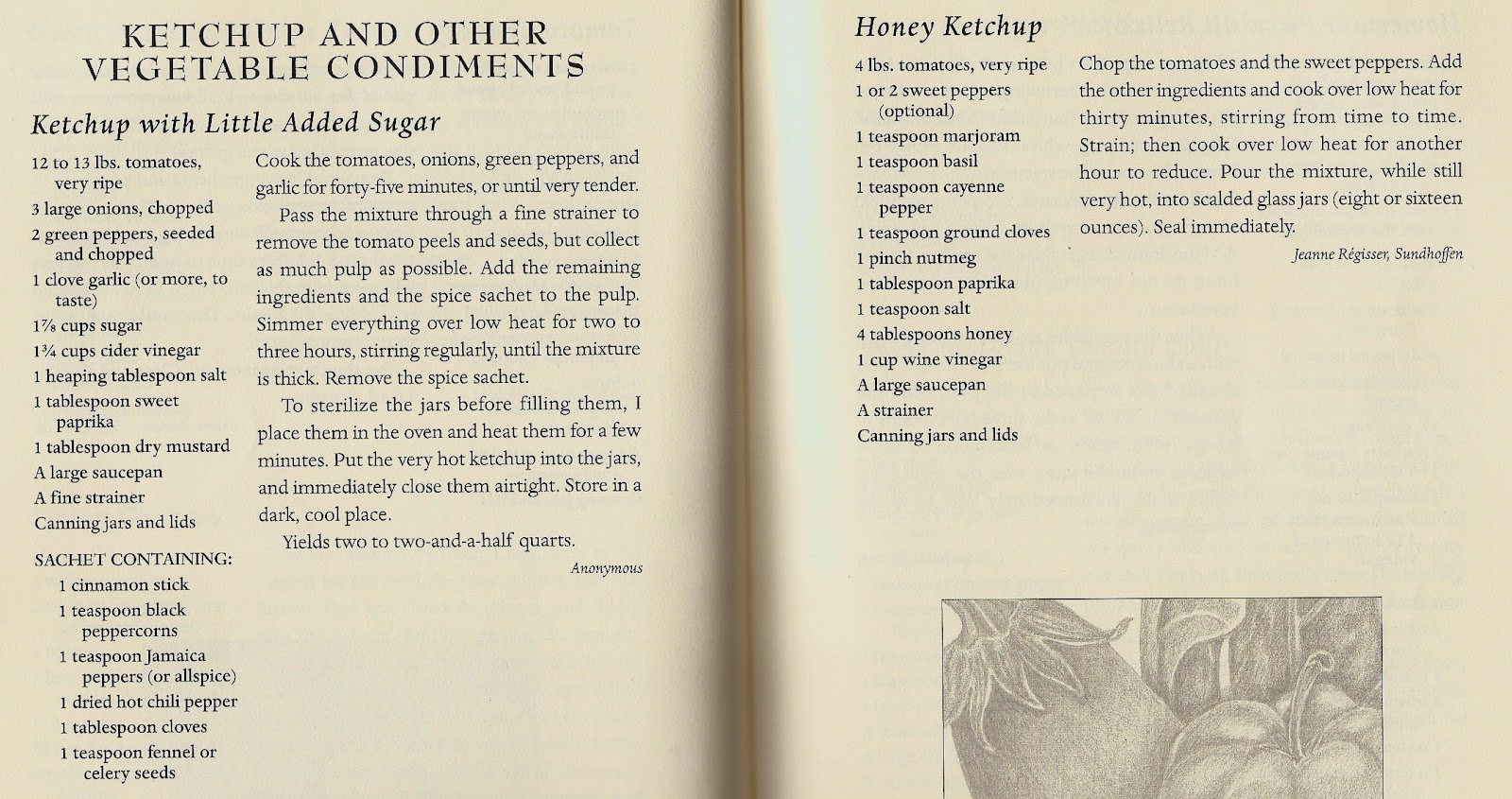
So I skimmed through this and there are some promising recipes if you want to add to your food storage things that you like, will eat/rotate through regularly, etc. Here are a few, though I have yet to try them: (once I do I will post the recipe on our nourish blog...under a Preserving/Food Storage Recipe section)



May 1, 2012
Ladies' Goodreads 2012: May

David McCullough
The life of Harry S. Truman is one of the greatest of American stories, filled with vivid characters -- Roosevelt, Churchill, Stalin, Eleanor Roosevelt, Bess Wallace Truman, George Marshall, Joe McCarthy, and Dean Acheson -- and dramatic events. In this riveting biography, acclaimed historian David McCullough not only captures the man -- a more complex, informed, and determined man than ever before imagined -- but also the turbulent times in which he rose, boldly, to meet unprecedented challenges. The last president to serve as a living link between the nineteenth and the twentieth centuries, Truman's story spans the raw world of the Missouri frontier, World War I, the powerful Pendergast machine of Kansas City, the legendary Whistle-Stop Campaign of 1948, and the decisions to drop the atomic bomb, confront Stalin at Potsdam, send troops to Korea, and fire General MacArthur. Drawing on newly discovered archival material and extensive interviews with Truman's own family, friends, and Washington colleagues, McCullough tells the deeply moving story of the seemingly ordinary "man from Missouri" who was perhaps the most courageous president in our history.
*feel free to leave comments about the book.
Subscribe to:
Posts (Atom)