Showing posts with label Eliminate. Show all posts

December 7, 2013

Rice Experiment


After reading a very interesting book about water and a man's journey to document the water crystals when frozen, I was thinking a lot about the power of words--bad and good. The author of the Hidden Messages in Water had mentioned a rice experiment when he had said nice things to one jar of cooked rice and negative things to another identical jar of cooked rice. After a few weeks the nature of the rice had changed in the second jar with the negative words, but the jar with positive things said was still vibrant and beautiful. The author also said the same thing happened with other similar experiments in which rice wasn't used, but positive and negative things said to two identical things. What I got from the book was that words are powerful and that the greatest are love and gratitude--which he said were the most beautiful water crystals he has ever seen (and photographed) when he experimented with those two words and water. Those and many other crystals are documented with photos in his book. Very interesting!

My friend had also mentioned she'd heard of a lady who did this experiment. plus, I remembered something similar about the effects of various music styles played to plants in an experiment, when I was researching a writing paper on music, back in college my freshman year.

So...that said. Three times is a charm (how many times i'd heard about this stuff from varying sources). so  I decided to take up the task and try my own experiment.


I did.
Here is the cooked rice in two jars. Both were treated exactly the same and just sat enclosed in the jar for a full month. We labelled one jar "thank you" and the other "stupid."
3 weeks
3 weeks
  Although we didn't just say those words. W also said nice and happy positive things to the first. But for the second we said lots of negative things and always scowled at it.

Ethan and Paul were so cute and felt so bad saying mean things that they frequently just glared and thought the words, instead of saying them. I however didn't feel bad saying "stupid rice, I hate you. You are ugly." And the like.... :) although eventually I did as a friend suggested and said "you stink" instead of stupid, because we don't use that word in our house and Ethan started saying it more once we got in the habit for the experiment. (Luckily he is back to not using it)

5 weeks
5 weeks
After one month we opened the two jars. It happened to be on thanksgiving when the Cooleys were with us to. So they can vouch for the stench of the second "stupid" one. It stunk pretty bad and was totally mutated to where it looked like a pile of goopy liquid. While the first one was still almost the same as when we had put it in, except it had a slight smell of just starting to Germantown, but barely. It really was very fluffy and happy--pretty in my mind.

Happy Thanksgiving...when we opened these.
Food for thought...
  • So...what do you think? 
  • What are the effect of your words?
  • Do you want to take up the trial and do your own version of this experiment? 
  • What negative words or thoughts do you harbor--towards others? or even towards yourself!
  • Is it time to change negative thoughts and words... or try them out on this experiment and see if they have a real visible effect over time?
  • If you have negative words, they first stem from negative thoughts.
  • Thoughts are powerful. Don't limit yourself or others. You can be anything you put your mind to if you don't label yourself or accept others negative labels of you.
  • Everyone has great potential. How can we praise and help others see theirs.

I hope that I can remember the power of words and thoughts...not just negative, but that we can use them to build up and beautify--to perfect things and people to a more perfect state...or the opposite (changing the nature of the thing or person to a state of glum and , wel....bloop like the rie.  Hmmm.....

Interesting, no?

April 6, 2013

Homemade Lotion Bar

So...I have tried a few homemade lotions and it is hard to get exact measurements when you buy in bulk. So I sometimes don't get the exact consistency for a lotion that I put in a jar. And they frequently look slimy. Not appealing, I know. But...I finally found a homemade version that makes sense! A bar!  I know...lotion as a bar?

Granted...this isn't a good facial lotion because it may clog pores, but I use it on my kids and on my hands and such. I just rub it on my skin and it kind of just glides on perfectly. But even better than that is what I have been looking for in most of my homemade versions of things. The recipe is simple and only needs a few common ingredients--from wellnessmama.com.

If you are going to be making your own bathroom products, these are all items you should have on hand in bulk. Just add them all in equal parts. Here is an example for six thin bars.
-------
1/3 c coconut oil
1/3 c beeswax
1/3 c Shea or cocoa butter (I use Shea, but it is more stinky)
Essential oils (optional: i do about 15 drops. Lavender is the best for children and basic needs and skin healing. Tea trea for cleansing.)

Place the first three oils in a glass jar and put into a pan with water.
Then melt all in the jar.
Once melted, add the essential oils if you chose. And pour...divided into six muffin tin molds.
Let cool, then pop out and enjoy!

--------
You can use a double boiler, but it is messy once done...with all the melted waxy, oily things, so i prefer the glass jar. I did a lavender one for my kids. A lavender, tea tree, peppermint, rosemary one for me. And a spearmint, tea tree, lemon eucalyptus, cedar wood for my hubby (he doesn't generally need lotion, but it is to rub on his chest for sinus and congestion stuff). That is the fun part...mix and mingle the essential oils to your liking for whatever purpose you and your family need. They each can have their own bar. If I were really cool I would add some natural food coloring tints to them each so they looked different....like turmeric or beet juice. But...that is way too much work; and the lotion bars, on the other hand, weren't. So enjoy!

April 1, 2013

Homemade Deodorant


Top 5 Toxic ingredients in you deodorant

Paul and I haven't been using typical store-bought deodorant for a few years now. We didn't like the anti-perspirant and aluminum problems. Our bodies are meant to sweat, and who are we to force it not to? So...we have tried a few natural brand deodorants and the "crystal."

But now...I am happy to share our homemade version that is great and I love the smell!

1/3 c coconut oil
1/3 c arrowroot (this is a cornstarch alt.)
2 T baking soda
10 drops essential oil (we love grapefruit for the smell, but lemon would be antibacterial)

Just use a fork to mix it all together and store in a little glass jar. 
When you want to use it, just dig out a little with your fingers and smear it on under your arms.

Yeah...not the most ideal, but it smells so good and isn't as messy as it sounds. I will keep playing with it, to see if we can get it hard enough to put in a deodorant container to rub on, but until then, this works just fine.

Happy deodorizing (remember, this isn't an anti-perspirant, but it keeps the smell under control)!

February 19, 2013

8 Facts on Why Not to Leave Your Car Running

There is a blog for Utah Moms for Clean Air. They have facts about how horrible the air is in Utah with all the inversion. It has been so bad this winter!

Here is a site to put in your zip code and see the scorecard of air quality.

Here are some quick facts and tips about why you shouldn't leave your car on:

1. Driving warms the car faster than idling
If your concern is not the health of the car, but simply your own creature comforts, Bob Aldrich of the California Energy Commission points out that “idling is not actually an effective way to warm up a car — it warms up faster if you just drive it.”
The coming electric cars, such as the Nissan Leaf, will incorporate a wonderful feature that allows the owner to use a cellphone to tell the car (which is plugged into the grid) to pre-warm or pre-cool the interior. No idling necessary.

2. Ten seconds is all you need
Environmental Defense Fund, which produced the Idling Gets You Nowhere campaign, advises motorists to turn off their ignition if they’re sitting stopped for more than 10 seconds.
“After about 10 seconds, you waste more money running the engine than restarting it, said Andy Darrell, deputy director of the EDF Energy Program. “Switch the car off at the curb, and you’ll be leaving money in your wallet and protecting the air in your community.”

3. Idling hurts the car
According to the Hinkle Charitable Foundation’s Anti-Idling Primer, idling forces an engine “to operate in a very inefficient and gasoline-rich mode that, over time, can degrade the engine’s performance and reduce mileage.”
The Campaign for an Idle-Free New York City points out that idling causes carbon residues to build up inside the engine, which reduces its efficiency.

4. Idling costs money
Over a year of five minutes of daily idling (which causes incomplete combustion of fuel), the “Anti-Idling Primer” estimates that the operator of a V8-engine car will waste 20 gallons of gasoline, which not only produces 440 pounds of carbon dioxide but costs at least $60.

5. Idling in the garage can kill you
Idling a car in a garage, even with the door open, is dangerous and exposes the driver to carbon monoxide and other noxious gases. If the garage is attached, those fumes can also enter the house.
6. Block heaters beat remote starters
Lori Strothard of the Waterloo Citizens Vehicle Idling Reduction Task Force in Canada says, “Remote starters can too easily cause people to warm up their cars for 5 to 15 minutes, which is generally unnecessary.”
A block heater, which is designed to heat the engine and can cost under $30, on a timer set to start one to two hours before driving, does the trick in very cold climates.

7. Quick errands aren’t quick enough
Natural Resources Canada points out that leaving your car idling while you’re running into a store on an errand or going back into the house to pick up a forgotten item is another way to waste gas and pollute both your town and the planet.
“Leaving your engine running is hard on your pocketbook, produces greenhouse gas emissions, and is an invitation to car thieves,” the agency (PDF) says.

8. Idling is bad for your health (and your neighbor’s health)
According to Minneapolis’ anti-idling ordinance, “Exhaust is hazardous to human health, especially children’s; studies have linked air pollution to increased rates of cancer, heart and lung disease, asthma and allergies.”

April 30, 2012

2nd Annual Earth Day Party 2012: A Natural You

So this year's Annual Earth Day Party was April 21st--the day before Earth Day (which was on Sunday). And the theme was "A Natural You"--Discovering ways to be more natural: for your health, hygiene and home. A chance for like-minded individuals to get together and chat, learn, eat and discuss about how to live more naturally and what that means.

(...and of course, I forgot to take pictures again...but next year I won't!)

We had fun chatting and sharing thoughts on more natural-type product options in the home for health. And there were quiz questions along the way. Quiz yourself and see how you woud've done:

1. What are the two basic functions of the liver?
     a) metabolizes food/breaks down fat and nutrients necessary
     b) to get rid of toxins and chemicals
    ...so if your body is too busy getting rid of chemicals and foreign things in your body, it can't break down the fat in your body. Hence why detoxing is important. And Detoxing can be as simple as using more natural skin/hair care/cleaning products, to eating more organic and less preservatives and such. The less chemicals we're surrounded by, the less our liver has to eliminate and more it can focus on it's main purpose of breaking down our fat.

2. What are the seven chanels of detoxification (ways our body eliminates toxins)?
As we work on each of these channels, we can better rid the toxins from each area...
1. Lungs - what we breath. get fresh air, don't smoke and get aerobic exercise
2. Liver - manager of entire detox process in body
3. Colon - last stop for toxins, before expelled (daily bowel movement). Keeping hydrated helps.
4. Kidneys - produces urine (waste) to expell
5. Skin - what we put on our skin--sweat removes toxins
6. Blood - regular exercise stimulates blood flow and helps the blood transport necessary things through it's system
7. Lymph - immune system and filters bacteria


3. What are three or more things to avoid in processed foods?
  a) high fructose corn syrup
   b) hydrogenated oils
   c) artificial sweetners
   d) processed soy products
   e) certain food dyes (like red. no.2)

4. True or False: Soaked/Sprout grains are better than whole grain foods.
Whole grains have phytic acid, which inhibits your body's absorption of the nutrients an minerals in the whole grain. So in order to maximize your body's use of the nutritional value of the whole grain, it's best to soak or sprout the whole grain, which starts the process of breaking down that pytic acid so your body doesn't have to work so hard. Picture eating a hard dry seed versus a moist seed that is just starting to sprout. The latter is easier for your body to digest.

5. True or False: when possible, choose vegetable oils over butter for cooking and baking.
Butter is actually a good natural fat, though could give cholesterol problems if over eaten. So although it could potentially be a problem if over done, it's better than any vegetable or canola oils, which are highly processed/refined and not as healthy for your body in their less-natural state. Extra-virgin and unrefined coconut oil are excellent options. And stay away from fake butters and margarines, including most types of shortening (although they have healthier types now)--anything fake plays a toll on our bodies' natural processes.

6. What am I? I can be used as a shampoo, deodorant/odor absorber, toothpaste, gunk remover, water softener, drain cleaner, etc?
Answer: Baking soda (I've tried half of these and appreciate knowing their use as an emergency, though I wouldn't always use them on a regular basis.)

7. What are the main culprits to avoid in laundry detergent?
worst: SLS, phosphates, NPE; other things if possible: enzymes, fabric whiteners, fabric brighteners, fabric softeners, fragrances, bleach

8. Which essential oil is most versatile and safe to use on anyone--therefore a great option to have in your home?
Lavender! It's mild and calming and can be used neat (on skin, undiluted) on children and prgnant women (which is not like many others). It can be used to calm emotions and help you sleep, or on your skin for cuts and cleansing. It also smells great and is a good air freshener.

---
Well, those were the questions. How did you do? Most of us only could answer a few. So this was a guide for our discussions about how to better incorporate things into our home and health that will better help us live more naturally.

Some products highlighted were the Norwex or E-cloth rags/towels (2 different brands) that wipe up 99% of bacteria and eliminate your need to use a cleaning product--just add water or use dry for dusting and it picks up everything. The rags with silver in them are more expensive, but teh silver is anti-bacterial, so it doesn't stay in the rag, like the general purpose e-cloth. Norwex is a multi-level marketing company that charges about $15 per silver rag--which Charise bought and uses and likes. I use the e-cloth general purpose for most things, but then a silver-containing anti-bacterial e-cloth for the wiping up raw chicken juice and such.

 Two brands. Two different options. I personally found a good deal online for two general purpose e-cloths for $8 and then also two polishing rags for $8 as well, since they were on a summer sale. And I use the polishing rag for windows and metal surfaces because it wipes them streak-free, very well. The siler-ion rags are about the same as Norwex...just a buck or two cheaper (so I did buy one of them).

I love not needing cleaner. In fact, cleaners take away the effectiveness of these rags, so don't use cleaners or detergent when washing them. You can just boil them in hot water most times and they should last you 600 washes at least. You can put them in the laundry with a touch of detergent if you have natural laundry detergent (free of any of those things listed in the question above about laundry detergents).
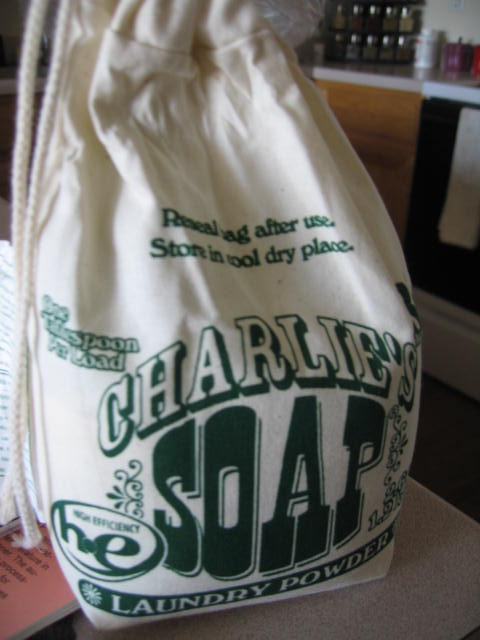
this is what I use...it's mostly coconut soap and does a fine job for basics everyday washing.

---
We also talked about what to avoid in shampoo products and such (see my post on it), and honestly the list is ridiculously long, so I just try to find shampoo with a few ingredients, and all of which seem pretty basic). making your own body wash or shampoo using just a spray bottle with water and some castile soap (plant-based, like Dr. Bronners) and then scenting it with essential oils for smell or for their properties (like rosemary for dry scalp, etc). And everyone got to make their own and take it home. Paul and I use these for body wash (and Paul for his hair too....though I personally don't like it on my long hair, so I use a plant-based shampoo I bought).

If you want, see the post on essential oils 101 to learn more.

---

We also highlighted some natural mineral makeups we use. Minerals are great because it doesn't clog your pores and actually reflects the light better from your face. I've been using it for three years now. I've tried Naked Minerals, Everyday Minerals, Ocean Mist Minerals and Signature Minerals. My favorite are Everyday and Signature. The latter having free samples online if you want to order some to try and just pay $5 shipping. I highly suggest it! After finding my perfect shades for basic foundation I just buy those powders bulk and pour them into my container whenever it gets empty. And I get enless supplies of their sample eye colors that last forever, since I don't wear much. It's a fun way to explore without spending a ton of money and on good natural stuff.

---
We touched on the no-no's of using anti-perspirant which has aluminum that clogs your sweat pores and gets locked in your shirt's armpit area--yuck. We talked about some natural deodorants to try. We've tried Kiss-My-Face, Tom's and a Deodorant Crystal--our favorite. But switching over will take a week or two transition and the anit-perspirant generally is so full in your clothes and such, that it's hard to get that out. So be patient in trying to explore and realize there are other factors to take into account including your body getting used to not having what it's use to, as well as what your clothes have been used to and might still trigger smells that have been accumulating for awhile.

---
Then we ate some energy bites from Ali and other various salads and pirate booty rice puffs, crackers, trail mix, fruit, etc. See Greek Salad or Fruit Salad Recipe if interested.


October 18, 2011

Low-Carbon Diet --Reducing Your Environmental Footprint


I read about this progam they've started in Park City, Utah called the "Low-Carbon Diet." Basically it's a way to make small steps using a list of goals to reduce your environmental footprint. They have action items for various areas: transportation, dietary choices, recycling and home energy.n See their website for more details: www.parkcitygreen.org

Here are a Few ideas of what you can do:
Household Energy Options
Carbon Reduction Options Lbs of CO2 Reduced
per Year
Tankless / Demand Water Heater
1,050
Use a House Fan Instead of A/C 33% of the time
674
Rainfall Sensor for Sprinkler System
489
Window Curtains Prevent Heat Gain / Loss
393
Always Use Cold Water & Moisture Setting for Clothes Washer
1,269
Refrigerator Maintenance
651
Air Drying Dishes in Dishwasher
542
Toilet (water displacement)
474
Utilize 'Sleep Mode’ on Computer, Printer & Monitor
355
Closing Off and Not Cooling One Room in the Summer
284
Eliminate 'phantom' electricity waste from the VCR & Stereo
190
Note: The above estimates assume that electricity produces 1.34 lbs CO2 / kWh. This is in line with the national average and also the estimate used by the Low Carbon Diet workbook. Due to high amounts of coal usage, Utah’s electricity is about 58% more carbon intensive than the national average so efforts to conserve electricity prevents even more CO2 emissions than indicated.


Transportation Options
Carbon Reduction Options
Lbs of CO2 Reduced
per Year
Eliminate One of Your Household's Vehiclesa
9,312
One Less Round Trip Flight per Yearb
2,166
Two Less Round Trip Flights per Yearb
4,332
No Personal Vehicle Use for One Day per Weekc
1,330 per Vehicle
No Personal Vehicle Use for Three Days per Weekc
3,991 per Vehicle
aAssumes 25 MPG and 12,000 miles travelled per year for vehicle. Estimate assumes no additional travel in other household vehicles. The CO2 reduced estimate does not consider alternatives pursued in place of personal automobile travel (e.g., walking, biking, carpool, bus, rail, etc.).
bAssumes 1,658 miles per round trip flight (roughly the distance between SLC International Airport and Seattle). Assumes 1.3068 lbs CO2 per passenger mile per the Colorado Carbon Fund.
cAssumes 25 MPG and 12,000 miles travelled per year. The CO2 reduced estimate does not consider alternatives pursued in place of personal automobile travel (e.g., walking, biking, carpool, bus, rail, etc.).


Dietary Options
Carbon Reduction Options
Lbs of CO2Reduced
(Everyday Adherence)
Lbs of CO2 Reduced (Three Days per Week)
Lbs of CO2 Reduced
(One Day per Week)
Purchase All Food Locally
304 130 43
Replace Red Meat and Dairy with Chicken/Eggs/Fish
1,628 698 233
Replace Red Meat and Dairy with Vegetables and Vegetable-based Products
2,702
1,158
386
Note: the above CO2 reduction estimates are based on one individual making these dietary changes. Multiply these figures by the number of individuals participating in your household to get a total estimate of emissions reduction potential.


Recycling Options
Carbon Reduction Options
Lbs of CO2e Reduced
Energy Saved
Material Recycled
Per lb of Material
Per Itema
Million BTU Saved per Ton
Recycled Instead of Landfilled
Glass
0.35
0.19
2.13
Aluminum
15
0.56
206.42
Steel
2.02
0.28
19.97
Plastic
1.74
0.16
53.23
Residential Mixed Paper
4.18
0.04
22.94

November 12, 2010

Basic Body Care Info & Recipes

If any one is interested in a good website or book for understanding some of these basic natural ingredients you can use in face washes, lotions, lip balms, hair care stuff, you can check out http://www.hmbeautyrecipes.homestead.com/ or read Organic Body Care Recipes by Stephanie Tourles. They're pretty interesting and have made me want to start pampering myself with a few things I already have around the house.

A List of some ingredients and oils purposes: (esp for use in hair conditioners)
Bananas:
Softens skin (emollient)
Oats: calm skin aggravated by environmental influences, support cell rejuvenation, restore moisture balance, and help prevent further UV-related damage
Almonds: an emollient and for bleaching
Strawberries: Have a bleaching effect (great for teeth)
Jojoba oil is similar to sebum, which is secreted by human sebaceous glands to lubricate and protect skin and hair. Jojoba oil conditions hair and prevents it from becoming brittle and dull.
Avocado oil Softens skin, helps skin and hair retain moisture and fights the aging process
Coconut oil is one of the best natural nutrition for hair. It helps in healthy growth of hair providing them a shinny complexion. Coconut oil prevents dandruff, lice, and lice eggs, even if your scalp is dry. It is an excellent conditioner and helps in the re-growth of damaged air and provides the essential proteins required for nourishing damaged hair.
Honey is high in vitamins and minerals, and has wonderful benefits for the skin and hair. Honey is a good humectant and emollient, serving as a good moisturizer and conditioner. (also flavor and color)
Basil: Oily hair. Promotes hair growth, eczema, psoriasis
Bay: relieves scalp conditions and to act as a hair tonic
Yogurt: contains healthy probiotic bacteria and is wonderful for cleansing and moisurizing the skin.
Chamomile: Fine to normal hair. Gives golden highlights. Long known for it's calming and sedating effects as well as having anti-inflammatory effects for sensitive skin.
Grapefruit oil: Promotes hair growth, astringent for balancing oily skin and hair
Lavender: Normal to oily hair. Scalp treatment for itchiness, dandruff, and even lice! Controls oil production, reduces itchy/flaky scalp. Also, it is a relaxant, anti-spasmodic. tonic for the nervous system, antibacteral, analsgetic and antiseptic. It's a mood lifter.
Lemon: Oily hair. Gives golden highlights; treatment for dry scalp, dandruff, lice, and underactive sebaceous glands. Provides a cooling, refreshing and uplifting feeling as having bleaching, exfoliating and anti-viral properties.
Myrrh: Dry hair. Treatment for dry scalp, dandruff, lice, and underactive sebaceous glands
Orange Oil: Oily Hair. regulates the production of sebum, the hair’s natural oil
Peppermint: Dry hair. Promotes hair growth. reduces itching and irritation
Roses: antidepressant, astringent, cleansing, antiviral, antibacterial, anti-inflammatory, as well as aphrodisiac.

SIMPLE RECIPES:
Basic Foot Scrub: 1/4 c cornmeal, 1/4 c. ground oatmeal, 1 T sea salt, water, few drops of essential oil (if desired: peppermint or lemon)

Strawberry Tooth Brightener: just mash (without green tops) and apply on teeth using toothbrush (as if you were brushing with toothpaste)

Soda and salt toothpaste (similar to the one I use): 1/2 t. baking soda, 1/2 t. salt (finely ground), 1 drop peppermint essential oil (for fresh flavor), few drops water. Mix all to a paste and dip tooth brush in; brush as normal.

Uplifting Cold and Flu Bath: 3 t jojoba oil, 3 drops of peppermint, eucalyptus, chamomile (And a bunch of others I don't have, so I just use these). Add all these at once to hot bath water while it is running.

Basic Lip Balm: 4-5 T almond or jojoba oil (or castor oil if you want extra shiny), 1 T beeswax, 2 t honey (unless you think you'll lick your lips a lot because of this), 10-20 drops essential oil of choice (opt. for flavoring), and 1/4 tube of your own natural lipstick (opt. for coloring). In a double boiler mix honey, oil and beeswax. Remove from heat and add essential oil and lipstick if desired. Place in shallow ise bath and whisk for 30-60 seconds until honey is incorporated and it all looks like frosting consistency. Then spoon into covered storage container and let cool for 2 hours before use. USe within one year (no need to refrigerate).

Oatmeal/Almond/banana Exfoliant, Cleanser and Mask: 1 T finely ground oatmeal (or 2 t ground almonds, or 1 2 inch chunk of banana), water/milk/cream. Combine oats and liquid to make a paste. Apply and let sit one minute (5 minutes if you use banana), then rinse. (Use water if you have oily skin, milk (or milk powder with water) for normal to slightly dry, and cream for really dry skin (or if you use the banana). If you want, you can keep a container of ground oatmeal with powdered milk in it, in your bathroom....then all you have to do is add water!

Cornmeal and Honey Scrub: 1 1/2 t cornmeal, 1 t honey, 1/2 t water. Combine all, allowing cornmeal to dissolve, and then apply on face. Let sit 15 minutes, then rinse with warm water. (Be sure to wear a shower cap, because this is sticky and can get in your hair...yuck). Do not try and store this mixture. And don't use this if you have acne or facial irritations.

Go ahead and try one and let us know what you think.... I haven't tried them all

November 10, 2010

No 'Poo Experiment

So...I've been slowly trying approaches to homemde hygiene--the latest being no shampoo. Well, I use baking soda with a vinegar rinse.

Why? You may ask.... Because there's a lot of stuff in shampoo nowadays that I'm not sure of and many contain harmful ingredients. The big hype is SLS being in shampoo. Sodium Lauryl Sulfate is an inexpensive cleansing agent used in many skincare and home cleaning products for the removal of oil, dirt and residues--and is responsible for the suds and bubbles you see in cleaning products. Because SLS is a charged particle that attracts dirt, removing it from the pores and the surface of the skin, it causes irritation. So, for this reason, SLS is now being avoided in many professional skincare products. Whenever we use shampoo, we need to remember that what we are using gets rubbed onto and into our scalp, and therefore into our body.

I like to think of myself as not being a high-maintenance girl, but we live in a high-maintenance society...when it comes to commercialization and need for all these unecessary ingredients.

So...I decided I wanted something simple and effective for my shampoo, so I spent a few days googling and reading all sorts of blogs and posts, etc. about what others have done in their quest for no 'poo hair (there's even a wiki page under "no 'poo." (I didn't make that phrase up).

So far... It's been three weeks. There was a slight transition time for my hair to adjust, but it wasn't very bad. Basically you want to use 1 cup water with 1 T baking powder and scrub it into your hair. Followed by a 1 T apple cider vinegar in 1-2 cups of water as a rinse afterwards. With the goal being to only wash your hair about 2/wk.

I use a plastic cup and keep a jar of baking soda on my counter and a bottle of vinegar in the shower. That way I can put a T of soda in the cup right before I hop in. I add the water during the shower and mix and apply and then rinse. Then after the wash, I can pour some vinegar into the cup and add water; apply then rinse with cold water (this help close your pores and blanace out the pH levels of your hair).

However, if you do this, you just have to realize that your hair needs to adjust and will feel and possibly look slightly different. No one has noticed or said anything to me, but mine just feels a little different and it actually styles a little easier I think. I admit that sometimes it seems a little greasy, but I think that's when I don't do the vinegar rinse.

-----------
ADDED NOTE (since Megan's Comment):
here are some of my dilemnas I forgot to mention:
1. When I only used baking soda wash my hair was a little greasy and clumpy/heavy and there was either dandruff or soda residue like powder. I wasn't sure.
2. When I used too much vinegar, there was also greasy hair, though it was a more shiny and light grease than the baking soda.
3. Then I tried putting a little sugar in the soda wash to add a mild srubbing effect that wasn't too harsh (unlike salt) to help with the white stuff. Right now I'm trying to decide if that's what's helped the grease calm down, or if it's just because I reduced the amount of vinegar.

I've also read a lot about other things you can use in your hair, so that is what I'm currently experimenting with.I'll keep you updated...but here's a glimpse of some of the things: coconut oil, banana or honey ingredients in a conditioner..plus some other interesting ones I can't recall right now. Or lemon instead of vinegar in the post-shampoo rinse.

**updated 12/10/2010
So far I've done this for 2 months and I just stopped. So, like I said in my post, if you do this, you have to realize that your hair will have a different feel and consistency than when you used typical commercial shampoo. This is because your hairs natural oils aren't being stripped away anymore. Due to this, my hair always felt a little greasy underneath. You couldn't always see it, but I could tell. And, since I recently cut myself some bangs, I noticed you could tell more with those. So it won't work for me right now. For now, I'm still experimenting, but no firm conclusions. I tried Dr. Bronner's soap for two days, but that didn't work. That may require another adjustment period...I'm not sure. I also spent a month or two trying redmond clay, but it dried out my scalp (during winter). But, I'd be up for hearing anyone else's experiences. I also tried coconut oil for conditioner, but it was was too oily and I couldn't get it out very easily.

So alas...back to square one. One day I've love to figure this out!

October 27, 2010

What are the benefits of a CLEANSE???

  • SLIM  Loose weight
  • CLEANSE  Clean out old, built up lining and toxins that have hardened inside the intestinal wall.  It is said that some people have POUNDS of built-up "mucoid plaque" in their colon.  The surface area of the intestines with all their folds and crevices is said to be equal to the size of a tennis court!  Nutrients can now be absorbed through the wall into the bloodstream and carried to all the cells throughout your body, whereas before, much of the vitamins and minerals were wasted because they couldn't be absorbed through all that JUNK!  Toxins can now be easily absorbed into the intestine through the wall so they won't be recirculated through the bloodstream and cells.  Green vegetables cleanse the bloodstream which helps clean every organ in your body!
  • HEAL  Now that your body is cleaned out, keep eating right and your body will heal itself from any and all illnesses.  It can often take a long time to heal, but keep eating very well and your body will thank you over time!
  • ENERGIZE  Raw vegetables and juices give lots of energy.  Being rid of toxins gives more energy, and allows you to absorb the energizing nutrients from all the healthy foods you eat.
  • CUT CRAVINGS  As a result of absorbing much more nutrition than before, you may not crave junk food or overeat regular foods, therefore easily maintaining a healthy weight!  I have been eating healthier for about 5 years now and this is SO true...you've gotta try it!!!
  • PRETTIER SKIN  Skin becomes more clear and wrinkles seem to firm up in the face!
  • BETTER BLOOD SUGAR   Blood sugar is more stabilized. 
  • GAIN CONFIDENCE & SELF DISCIPLINE  After cleansing and watching what I eat, I did notice that I was a happier person, not so impatient with my kids and people in general and I realized what is most important in life!
  • RELEASE EMOTIONAL BAGGAGE  There is a growing school of thought that people store emotions in different parts of the body, and the intestines can store a lot of old emotions.  Therefore releasing old baggage can also stir up and bring to the surface old emotional baggage that you may not have even been aware was inside you. 
  • ESTABLISH BETTER EATING HABITS  After cleansing out all the old junk and feeling so energized, clean and healthy, you have a greater desire to be more careful to fuel your body with energizing, health-promoting foods, and leave the JUNK behind!
  • EASIER EXERCISE   With less toxins, fat and pounds in your system, exercise is now easier and more fun!  Joints aren't as taxed like they were before, and arthritis may clear up from getting rid of the toxins in the joints.  It is also more fun to wear shorts and swim suits to exercise now that you are slimmer, firmer and trimmer!

Great Recipe for a Colon Cleanse... by: Jonell Francis

SPRINGTIME is the time to clean out your body...never do a cleanse in the winter...there is a time and a season for everything!

Exodus Cleanse Smoothie
Ingredients:
1 cup Psyllium Husk powder
1 cup Apple Fiber
1/2 cup Bentonite, Orsa, or Green Clay powder
3 T Senna Leaf powder
2 T Cinnamon
2 tsp Ginger

You can find most if not all of these ingredients at any health food store (Good Earth is a great source).

Combine and store at room temperature.  The fiber and clay work together to absorb and peel off the hardened mucous matter off the intestinal wall.  Within 48 hours of the first day of the clense, you will get "the rope" either in one piece or in smaller pieces expelled from your body.  This is a victory and is well worth celebrating...YEAH!!!

DAY 1 Cleanse Smoothies-
Mix: 1-2 Tablespoons of the Exodus cleanse smoothie mixture with 1 cup of water and 2 Tablespoons frozen juice concentrate.  Stir and drink immediately before it thickens. 

* THE NIGHT BEFORE right before bed, drink 1 Exodus Cleanse smoothie.  Refill the glass several times to drink the residue and plenty of water. 
* DRINK A CLEANSE SMOOTHIE three times during the day.  Drink pure filtered water after and in between all day long. 
* HUNGRY?  If you still feel hungry, drink fresh vegetable juices or eat a little raw veggies.
* PM SPA TIME- Just before bed, drink a 1/4 cup of wheat grass juice (keep 1/4 juice for an enema)
Do an enema with warm water and a few cayenne granules or a little lemon juice.  Hold it long enough to massage your stomach to loosen things up inside before expelling (3-5 minutes if you can).
Then do an enema with 1/4 cup of wheat grass juice and hot water.  Hold it for 5-20 minutes or as long as you can.  Then take a nice hot bath! 

DAYS 2,3, 4 Juice Cleansing

* AM SPA TIME (same as Day 1)
* AM JUICING-  Make 2 quarts of sweet juice (5 lb. bag of organic carrots, 1 apple, 4 celery, or whatever you want to add).  Run the pulp through 4x adding a little water to make 2 quarts.  (This will probably last 1-2 days.)
Make 1 cup of green drink: a combination the sweet juice and green vegetables such as spinach, swiss chard, beet greens, a clove of garlic if you wish, etc.
* ALL DAY Whenever you are thirsty, drink a glass of sweet juice.  Drink water in between.  Hot Herbal Teas are also GREAT during a juice fast: chamomile, alfalfa, dandelion, red clover, echinacea, etc. 
* HUNGRY? Eat raw veggies if you wish, yet your body will cleanse a lot better with just juices.
* PM SPA TIME (same as DAY 1)

DAYS 5, 6 Work back into cooked food 
Drink vegetable juices twice a day. 
Eat more raw than cooked foods, including a salad for lunch.  Make sure you use a healthy cold-pressed olive oil organic dressing.  The extra virgin olive oil will help keep your system lubricated during the cleanse. 

IMPORTANT NOTES:  I do this cleanse, but I only do DAY 1, 2, and 3.  Then I work back into cooked foods on the 4th day.  Do whatever you can, but if you are bordering on obesity, I HIGHLY recommend you do it the whole 6 days to thoroughly CLEAN out your colon!  You may need some help from your husband or a friend for some motivational support because it isn't very fun, but SO rewarding in the end when you completely clean out your colon.  I also recommend you clean out your gallbladder and liver soon after so your body can flush out all the toxins your liver has had stored. 
DID YOU KNOW?  Your LIVER is the major FAT-BURNING organ in your body and if it is overtaxed with toxins, you will not be able to loose fat no matter how hard you exercise and no matter how healthy you are eating.  This is why I highly recommend you cleanse your body and then keep it as clean as possible by eating right and exercizing!  Please post any comments on how this cleanse worked for YOU!!!

August 20, 2010

Top 10 Ways to Detoxify Your Body Naturally

(can't find the website this article is from)
Whether you know how to detox or not, your body knows how to detoxify.
As a matter of fact, a fit, well functioning, healthy body will naturally detoxify all day long, whenever you breathe out, go to the bathroom or sweat. The air you exhale and waste you eliminate through skin, bowels and bladder include toxins your body wants to get rid of.
Your liver, spleen, kidneys and lymphatic system all get rid of toxins that constantly accumulate in cells.
After the toxins and waste are expelled from your cells, you continue to detoxify your body naturally through various organs, such as kidneys (urine), colon (feces), skin (sweat) and lungs (carbon dioxide).

Top Ten Tips for How to Detox Naturally
Natural cleansing body detox starts with a good cleansing detox diet that fuels cells with the necessary nutrients to detoxify your body naturally.
While extreme body detox programs can be harsh or even detrimental, you can naturally detoxify your body with these 10 healthy lifestyle tips.

1. Eat a healthy cleansing detox diet. A natural body detox cleansing diet provides cellular nutrition to your trillions of cells. All cells require quality protein, essential fatty acids found in whole grains, nuts, seeds and olive oil and omega 3 fish oil from cold water fish like salmon, tuna and sardines.

2. Drink at least 8 daily cups of water. Pure, clean water helps flush out unwanted toxins. Drinking 2 quarts or more a day, preferably from glass bottles instead of plastic, is one of the best ways to naturally detoxify your body. Soft drinks, alcohol, black tea and coffee are no substitute. Try herbal teas if you want something hot. For flavor, add fresh lemon juice.

3. Improve elimination with fiber rich foods. To ensure that toxins don't build up in your system, include plenty of fresh vegetables, raw fruit, beans, whole grains and other nutritious high fiber foods for better elimination.

4. Exercise and stretch your body daily. Regular physical activity helps you to detox naturally. At least a half-hour of daily exercise and stretching will improve blood circulation, burn calories to break down toxins stored in fat cells and help you to excrete toxic residue through sweat.

5. Sweat for perspiration waste elimination. Besides daily physical activity, saunas and warm baths with Epsom salts or sea salt can be used to induce sweating and eliminate toxins and heavy metals.

6. Stimulate your skin to detox naturally. Massage can boost your lymphatic system to naturally detoxify your body. Drink water afterwards to increase toxin elimination. Dry brushing skin before bathing can also improve circulation and stimulate natural body detox cleansing.

7. Reduce toxins coming into your body. Whenever possible eat organic food and avoid food additives, high glycemic index foods, bad fats, stimulants, drugs and environmental chemicals.

8. Take natural cleansing supplements. All nutrients are important. But some particularly contribute to body detox cleansing. Focus on vitamins A, B complex, C and E, plus magnesium chromium, selenium and omega 3 fish oil. Also, green tea, milk thistle and garlic may be helpful.

9. Do regular deep breathing exercises. Deep, slow, conscious breathing periodically during the day releases carbon dioxide and toxic gases from your body as you exhale. It also allows oxygen to reach your tissues by circulating through your lungs, bloodstream, heart and brain.

10. Reduce stress with positive focus. Since hanging on to negative thoughts and feelings can be toxic too, it's important to focus on positive thinking and behavior. Even crying is a way to naturally detoxify. (Hence journal writing, prayer and scripture study too)

With these tips on how to detoxify your body and how to detox naturally, you can give yourself the gift of health, through natural cleansing body detox. You'll learn how to detoxify your body, all day long, everyday.

Which Plastics Are Ok?

http://www.thegreenguide.com/buying-guide/plastic-containers
Plastics are classified by their "resin identification code"—a number from #1 to #7 that represents a different type of resin. That number is usually imprinted on the bottom of your container; flip it upside down, and you'll see a recycling triangle with the number in the middle.

Here's a quick breakdown of plastic resin types:
#1 polyethylene terephthalate (PET or PETE)Examples: Disposable soft drink and water bottles
#2 high density polyethylene (HDPE)/Examples: Milk jugs, liquid detergent bottles, shampoo bottles
#3 polyvinyl chloride (V or PVC)Examples: Meat wrap, cooking oil bottles, plumbing pipes
#4 low density polyethylene (LDPE)Examples: Cling wrap, grocery bags, sandwich bags
#5 polypropylene (PP)Examples: Cloudy plastic water bottles, yogurt cups/tubs
#6 polystyrene (PS)Examples: Disposable coffee cups, clam-shell take-out containers
#7 other (plastics invented after 1987; includes polycarbonate, or PC, and polylactide, or PLA, plastics made from renewable resources as well as newer plastics labeled "BPA-Free")Examples: Baby bottles, some reusable water bottles, stain-resistant food-storage containers

What To Buy:
#2 HDPE, #4 LDPE and #5 PP: These three types of plastic are your best choices. They transmit no known chemicals into your food and they're generally recyclable; #2 is very commonly accepted by municipal recycling programs, but you may have a more difficult time finding someone to recycle your #4 and #5 containers.

#1 PET: Fine for single use and widely accepted by municipal recyclers; avoid reusing #1 water and soda bottles, as they're hard to clean, and because plastic is porous, these bottles absorb flavors and bacteria that you can't get rid of.

PLA: plastics made from renewable resources such as corn, potatoes and sugar cane and anything else with a high starch content; although you can't recycle these plant-based plastics, you can compost them in a municipal composter or in your backyard compost heap.

Plastics to Avoid:
#3 PVC: Used frequently in cling wraps for meat, PVC contains softeners called
phthalates that interfere with hormonal development, and its manufacture and incineration release dioxin, a potent carcinogen and hormone disruptor.

#6 PS: Polystyrene-foam cups and clear plastic take-out containers can leach styrene, a possible human carcinogen, into food.

#7 PC: The only plastic made with bisphenol A, polycarbonate is used in baby bottles, 5-gallon water-cooler bottles and the epoxy linings of tin food cans. Bisphenol A has been linked to a wide variety of problems such as heart disease and obesity.

July 27, 2010

Natural Home-made Home Cleaners

Baking Soda and Vinegar are awesome. I've mentioned before that there are two great books by Vicky Lansky that share many uses of them. Here is a list of a few home-made cleaners to get you started in removing old commercialized, toxin-laden cleaners from your home. Look up the following recipes I've posted as separate recipes: (post title is same title listed below, but they're under the "trial" link)

1. Window-wash
2. Carpet Freshener
3. Lavender Soft-scrubber
4. Lemon Floor Wash
5. Lemon Furniture Polish
6. Drain Cleaner

EIGHT ESSENTIALS
These eight items make up the basic ingredients for nearly every do-it-yourself cleaning recipe.
Baking soda: provides grit for scrubbing and reacts with water, vinegar or lemon by fizzing, which speeds up cleaning times
Borax: disinfects, bleaches and deodorizes; very handy in laundry mixes
Distilled white vinegar: disinfects and breaks up dirt; choose white vinegar over apple cider or red vinegars, as these might stain surfaces
Hydrogen Peroxide: disinfects and bleaches
Lemons: cut grease; bottled lemon juice also works well, although you might need to use bit more to get the same resultsOlive oil: picks up dirt and polishes wood; cheaper grades work well
Vegetable based (liquid castile) soap: non-petroleum all-purpose cleaners
Washing soda: stain remover, general cleaner, helps unblock pipes; should be handled with gloves due to its caustic nature. Washing soda is usually found in the laundry aisle of grocery and drug stores.

Don't forget to pick up an empty spray bottle at the hardware store, and keep those old rags and used toothbrushes for wiping up and scrubbing.
------

All-Purpose Cleaner: Mix 1/2 cup vinegar and 1/4 cup baking soda (or 2 teaspoons borax) into 1/2 gallon (2 liters) water. Store and keep. Use for removal of water deposit stains on shower stall panels, bathroom chrome fixtures, windows, bathroom mirrors, etc.

Another alternative are microfiber cloths which lift off dirt, grease and dust without the need for cleaning chemicals, because they are formulated to penetrate and trap dirt. There are a number of different brands. A good quality cloth can last for several years.

Air Freshener: Commercial air fresheners mask smells and coat nasal passages to diminish the sense of smell.
• Baking soda or vinegar with lemon juice in small dishes absorbs odors around the house.
• Having houseplants helps reduce odors in the home.
• Prevent cooking odors by simmering vinegar (1 tbsp in 1 cup water) on the stove while cooking. To get such smells as fish and onion off utensils and cutting boards, wipe them with vinegar and wash in soapy water.
• Grind up a slice of lemon in the garbage disposal.
• Simmer water and cinnamon or other spices on stove.
• Place bowls of fragrant dried herbs and flowers in room.

Bathroom mold: Mold in bathroom tile grout is a common problem and can be a health concern. Mix one part hydrogen peroxide (3%) with two parts water in a spray bottle and spray on areas with mold. Wait at least one hour before rinsing or using shower.

Carpet stains: Mix equal parts white vinegar and water in a spray bottle. Spray directly on stain, let sit for several minutes, and clean with a brush or sponge using warm soapy water.
For fresh grease spots, sprinkle corn starch onto spot and wait 15 - 30 minutes before vacuuming.
For a heavy duty carpet cleaner, mix 1/4 cup each of salt, borax and vinegar. Rub paste into carpet and leave for a few hours. Vacuum.

Chopping block cleaner: Rub a slice of lemon across a chopping block to disinfect the surface. For tougher stains, squeeze some of the lemon juice onto the spot and let sit for 10 minutes, then wipe.

Deodorize:
• Plastic food storage containers - soak overnight in warm water and baking soda
• In-sink garbage disposal units - grind up lemon or orange peel in the unit
• Carpets - sprinkle baking soda several hours before vacuuming
• Garage, basements - set a sliced onion on a plate in center of room for 12 - 24 hours

Dishwasher Soap: Mix equal parts of borax and washing soda, but increase the washing soda if your water is hard.
If you want to use a commercial dishwashing soap, try Nellie's All-Natural diswasher powder, which contains no bleach or phosphates.

Dishwashing Soap: Commercial low-phosphate detergents are not themselves harmful, but phosphates nourish algae which use up oxygen in waterways. A detergent substitution is to use liquid soap. Add 2 or 3 tablespoons of vinegar to the warm, soapy water for tough jobs.

Disinfectant: Mix 2 teaspoons borax, 4 tablespoons vinegar and 3 cups hot water. For stronger cleaning power add 1/4 teaspoon liquid castile soap. Wipe on with dampened cloth or use non-aerosol spray bottle. (This is not an antibacterial formula. The average kitchen or bathroom does not require antibacterial cleaners.)
To disinfect kitchen sponges, put them in the dishwasher when running a load.

Drain Cleaner: For light drain cleaning, mix 1/2 cup salt in 4 liters water, heat (but not to a boil) and pour down the drain. For stronger cleaning, pour about 1/2 cup baking soda down the drain, then 1/2 cup vinegar. The resulting chemical reaction can break fatty acids down into soap and glycerine, allowing the clog to wash down the drain. After 15 minutes, pour in boiling water to clear residue. Caution: only use this method with metal plumbing. Plastic pipes can melt if excess boiling water is used. Also, do not use this method after trying a commercial drain opener--the vinegar can react with the drain opener to create dangerous fumes.

Fabric softener: To reduce static cling, dampen your hands, then shake out your clothes as you remove them from the drier. Line-drying clothing is another alternative.

Floor Cleaner and Polish:
-vinyl and linoleum: mix 1 cup vinegar and a few drops of baby oil in 1 gallon warm water. For tough jobs, add 1/4 cup borox. Use sparingly on lineoleum.
-wood: apply a thin coat of 1:1 vegetable oil and vinegar and rub in well.
-painted wood: mix 1 teaspoon washing soda into 1 gallon (4L) hot water.
-brick and stone tiles: mix 1 cup white vinegar in 1 gallon (4L) water; rinse with clear water.

Most floor surfaces can be easily cleaned using a solution of vinegar and water. For damp-mopping wood floors: mix equal amounts of white distilled vinegar and water. Add 15 drops of pure peppermint oil; shake to mix.

Furniture Polish: For varnished wood, add a few drops of lemon oil into a 1/2 cup warm water. Mix well and spray onto a soft cotton cloth. Cloth should only be slightly damp. Wipe furniture with the cloth, and finish by wiping once more using a dry soft cotton cloth.

For unvarnished wood, mix two tsps each of olive oil and lemon juice and apply a small amount to a soft cotton cloth. Wring the cloth to spread the mixture further into the material and apply to the furniture using wide strokes. This helps distribute the oil evenly.

Laundry Detergent: Mix 1 cup Ivory soap (or Fels Naptha soap), 1/2 cup washing soda and 1/2 cup borax. Use 1 tbsp for light loads; 2 tbsp for heavy loads. Commercial natural, biodegradable laundry detergents are also now available online and in select stores.

Lime Deposits: You can reduce lime deposits in your teakettle by putting in 1/2 cup (125ml) white vinegar and 2 cups water, and gently boiling for a few minutes. Rinse well with fresh water while kettle is still warm.
To remove lime scale on bathroom fixtures, squeeze lemon juice onto affected areas and let sit for several minutes before wiping clean with a wet cloth.

Marks on walls and painted surfaces: Many ink spots, pencil, crayon or marker spots can be cleaned from painted surfaces using baking soda applied to a damp sponge. Rub gently, then wipe and rinse.

Metal Cleaners and Polishes:
-aluminum: using a soft cloth, clean with a solution of cream of tartar and water.
-brass or bronze: polish with a soft cloth dipped in lemon and baking-soda solution, or vinegar and salt solution. Another method is to apply a dab of ketchup on a soft cloth and rub over tarnished spots.
-chrome: polish with baby oil, vinegar, or aluminum foil shiny side out.
-copper: soak a cotton rag in a pot of boiling water with 1 tablespoon salt and 1 cup white vinegar. Apply to copper while hot; let cool, then wipe clean. For tougher jobs, sprinkle baking soda or lemon juice on a soft cloth, then wipe. For copper cookware, sprinkle a lemon wedge with salt, then scrub., A simpler method is to apply a dab of ketchup on a soft cloth and rub over tarnished spots.
-gold: clean with toothpaste, or a paste of salt, vinegar, and flour.
-silver: line a pan with aluminum foil and fill with water; add a teaspoon each of baking soda and salt. Bring to a boil and immerse silver. Polish with soft cloth.
-stainless steel: clean with a cloth dampened with undiluted white vinegar, or olive oil. For stainless cookware, mix 4 tbs baking soda in 1 qt water, and apply using a soft cloth. Wipe dry using a clean cloth. For stainless steel sinks, pour some club soda on an absorbent cloth to clean, then wipe dry using a clean cloth.

Mold and Mildew: Use white vinegar or lemon juice full strength. Apply with a sponge or scrubby.

Mothballs: The common mothball is made of paradichlorobenzene, which is harmful to liver and kidneys. Cedar chips in a cheesecloth square, or cedar oil in an absorbent cloth will repel moths. The cedar should be 'aromatic cedar', also referred to as juniper in some areas. Cedar chips are available at many craft supply stores, or make your own using a plane and a block of cedar from the lumberyard.
Homemade moth-repelling sachets can also be made with lavender, rosemary, vetiver and rose petals.
Dried lemon peels are also a natural moth deterrent - simply toss into clothes chest, or tie in cheesecloth and hang in the closet.

Oil and Grease Spots: For small spills on the garage floor, add baking soda and scrub with wet brush.

Oven Cleaner: Moisten oven surfaces with sponge and water. Use 3/4cup baking soda, 1/4cup salt and 1/4cup water to make a thick paste, and spread throughout oven interior. (avoid bare metal and any openings) Let sit overnight. Remove with spatula and wipe clean. Rub gently with fine steel wool for tough spots. Or use Arm & Hammer Oven Cleaner, declared nontoxic by Consumers Union.

Rust Remover: Sprinkle a little salt on the rust, squeeze a lime over the salt until it is well soaked. Leave the mixture on for 2 - 3 hours. Use leftover rind to scrub residue.

Scouring Powder: For top of stove, refrigerator and other such surfaces that should not be scratched, use baking soda. Apply baking soda directly with a damp sponge.

Stickers on walls: Our children covered the inside of their room doors with stickers. Now they are grown, but the stickers remained. To remove, sponge vinegar over them several times, and wait 15 minutes, then rub off the stickers. This also works for price tags (stickers) on tools, etc.

Toilet Bowl Cleaner: Mix 1/4 cup baking soda and 1 cup vinegar, pour into basin and let it set for a few minutes. Scrub with brush and rinse. A mixture of borax (2 parts) and lemon juice (one part) will also work.

Tub and Tile Cleaner: For simple cleaning, rub in baking soda with a damp sponge and rinse with fresh water. For tougher jobs, wipe surfaces with vinegar first and follow with baking soda as a scouring powder. (Vinegar can break down tile grout, so use sparingly.)

Water Rings on Wood: Water rings on a wooden table or counter are the result of moisture that is trapped under the topcoat, but not the finish. Try applying toothpaste or mayonnaise to a damp cloth and rub into the ring. Once the ring is removed, buff the entire wood surface.

Window Cleaner: Mix 2 teaspoons of white vinegar with 1 liter (qt) warm water. Use crumpled newspaper or cotton cloth to clean. Don't clean windows if the sun is on them, or if they are warm, or streaks will show on drying. The All-Purpose Cleaner (above) also works well on windows. Be sure to follow the recipe, because using too strong a solution of vinegar will etch the glass and eventually cloud it.

------
Tips for cleaning:
Exchange Indoor Air
Many modern homes are so tight there's little new air coming in. Open the windows from time to time or run any installed exhaust fans. In cold weather, the most efficient way to exchange room air is to open the room wide - windows and doors, and let fresh air in quickly for about 5 minutes. The furnishings in the room, and the walls, act as 'heat sinks', and by exchanging air quickly, this heat is retained.
Minimize Dust
Remove clutter which collects dust, such as old newspapers and magazines. Try to initiate a 'no-shoes-indoors' policy. If you're building or remodelling a home, consider a central vacuum system; this eliminates the fine dust which portable vacuum cleaners recirculate.

Use Cellulose Sponges
Most household sponges are made of polyester or plastic which are slow to break down in landfills, and many are treated with triclosan, a chemical that can produce chloroform (a suspected carcinogen) when it interacts with the chlorine found in tap water. Instead try cellulose sponges, available at natural foods stores, which are biodegradable and will soak up spills faster since they're naturally more absorbent.
Keep Bedrooms Clean
Most time at home is spent in the bedrooms. Keep pets out of these rooms, especially if they spend time outdoors.
Use Gentle Cleaning Products
Of the various commercial home cleaning products, drain cleaners, toilet bowl cleaners and oven cleaners are the most toxic. Use the formulas described above or purchase 'green' commercial alternatives
. Avoid products containing ammonia or chlorine, or petroleum-based chemicals; these contribute to respiratory irritation, headaches and other complaints.
Clean from the Top Down:
When house cleaning, save the floor or carpet for last. Allow time for the dust to settle before vacuuming.


------
Here are sites I used for this info:
http://www.naturemoms.com/blog/2010/08/31/white-vinegar-for-household-cleaning/

http://eartheasy.com/live_nontoxic_solutions.htm#formulas