November 25, 2013

Mindfulness Without Meditation

I heard a fabulous talk at an LDS Holistic Living Conference by Vern Cox about how to be mindful without having to spend hours meditating. Basically he said the outcome of meditation is to focus, so we have to clear ourselves from distractions.

Here are my notes:

Top Benefits of Meditation
1. Improved Body Regulation/Control (balanced fight vs. flight reactions so body doesn't react so easily to stress)
2. Attuned Communication: two people feel they are both being understood by each other
3. Improved emotional balance (not so many extremes)
4. Response Flexibility: not stuck with one response, but being able to choose from a variety of responses
5. Increased Empathy
6. Better Insight: ability to connect with past, link to present and how it may influence future
7. Better Fear Regulation
8. Enhanced Intuition: being aware of input from internal organs (heart, lungs, intestines, etc.) and other body sensations--body's wisdom/deep way of knowing. Our integration center of bodytakes this input and then influences our reasons and reactions.
9. Greater Sense of Morality: how our actions influence others

------
Now let's explain some things...

Emotion: the meaning we give to an event (emotions don't have a life of their own, but are tied to our reactions to new events). The action/urge that results is then how we deal with that meaning (not the emotion itself).

We first consciously create meaning as we have a new experience, but then we store those meanings into our internal storage bank (let's say our heart, though not literally)--and tend to categorize these meanings into general areas--which then become a habit pattern which we react to unconsciously when we repeat similar experiences to that first one. This allows us to have an auto-pilot of sorts (which is helpful for repetitive things that don't sap our energy, but not for situations we don't react well to which can re-emerge often if not taken care of). If we need to change bad habit patterns, we need to change first in our head and hearts to break those initial meanings we gave those experiences.

Principle: Meaning determines emotion
Be careful with how you judge and give labels to things, people, events. 

Tips for Moving Forward:

  • allow your brain to have time to tell you things it is trying to tell you--make time to sit still and let them come--instead of running around and keeping yourself to busy to listen (to yourself or others). Acknowledge them, then organize them as needed. Pen and paper to write essential ones to prioritize.
  • don't judge self for having distractions by trying to force your brain to shut off--or it will get use to shutting off. All of your history is important, but acknowledge which ones are self-defeating, negative, and try to change them. Judgmental-ness is always in the past--and you will close up/prepare for fight or flight/muscles tense/blood pressure increases--therefore your brain switches from the front/thinking part of your brain to the rear/storage part (where all your previous habit patterns were stored)
  • be open (honest with yourself), accepting, loving and even curious to new opportunities, people, events (within reason) and don't try to guess and calculate too much. If you feel you have some degree of uncertainty--that you don't already know everything--you are more humble and willing and easy to be taught. Therefore your frontal brain/creative part will be more active and engaged, rather than the rear, patterned, logical part habitually taking over).
  • live in the present. This doesn't mean to ignore the past. But the past doesn't mean it's fact, so take it as input, not truth. Instead, value present situations for what they are, without being devalued by the past, or other's perspectives. Be objective in the present.
  • imperturbability: try to live without feeling perturbed or irritated
  • read scriptures daily write personal thoughts and notes each time (to develop greater focus)
  • pray regularly (i like kneeling away from my bed--so I can't lean--or I get lazy in my thoughts)
  • write things down: to help brain let go of thoughts and feelings, official or not (journal or outline to teach--in teaching/sharing we retain more info and learn more deeply. So approach learning with that frame of mind/accountability)


Principle:
Pure in Heart: When our emotions and impulses are Christlike


"Blessed are the Pure in Heart, for they shall see God" Matthew 5:8

As we seek to become a little better and a little more grateful let's  first look in our hearts and find those habit patterns that don't uplift and encourage and help us reach our Divine potential. Then we can greater see God's hand in our lives...and gratitude can fill our hearts with His love. Let's seek for the pure love of Christ, even Charity--the greatest of all gifts (moroni 7).


November 9, 2013

Home Pharmacy 101

Hippocrates said "Let food be your medicine." And that's how I feel we should approach healing our bodies. Start with a good diet and supplement your diet with plants/herbs in other ways. After reading this great little book, (My Home Pharmacy, Tracy Gibbs) I've outlined some essentials for our own home pharmacies.

Here is a list of the 5 main, simple ways to use herbs:

1. Teas
Liquid solutions of plants (we only use herbal infusions instead of actual tea leaves)

  • Infusion: pour boiling water over herb and let steep about 10 minutes (leaves and flowers)
  • Dedoction: boil for 20-30 minutes and simmer for 10 minutes (hard woody plants)

2. Tinctures
Concentrated extracts of plants (like "pickling" them)

  • alcoholic: generally vodka or something similar
  • non-alcoholic: glycerin or vinegar (we use these, instead of alcoholic versions)

3. Oils

  • essential oils: distilled, volatile plant oils (concentrated; extracted with specialized equipment)
  • carrier oils: solvents used to draw out active chemicals in plants. Herb or essential oils are typically combined in these to dilute potency and for applying on body via massage oil, balm or salve, soap, etc. (ex: extra virgin, cold-pressed olive oil, grapeseed oil, etc.--the least processed is the best.)
  • herbal oils: like herbal infusions, but put fresh leaves in carrier oil in glass jar completely covered and closed tightly so no air gets in. Let sit somewhere sunny for at least 2 weeks, then strain and keep indefinitely. (If the fresh herbs inside are exposed to any air then they get moldy, so be careful.)

4. Salves and Lip Balms
For rubbing easily onto skin/lips/etc. In order to make your own, melt on low in a double boiler. Check consistency by dipping wooden spoon in--add more oil to make it softer or beeswax for harder. Add essential oils at the end. Place in dark glass jars away from light.

  • Salve: 1/4 cup beeswax to 1 cup oil (herbal oil or carrier oil). 
  • Lip Balm: 3:2:1 is a rough ratio (carrier oil, cocoa/shea butter, beeswax)


5. Poultices
Warm, moist mass of powdered or cut herbs applied directly to external wounds (burns, cuts, inflammation, rashes, bites, infections, etc.).

  • Decoction: dip cotton into luke warm decoction and place on wound
  • Paste: crush or grind fresh herbs and add water/olive oil/alcohol to form paste; apply on wound and cover with warm cloth or gauze and tie/tape in place

----------
List of most common fresh Herbs to treat most common ailments:
* antibiotic
** antifungal
***antiviral
**** dieuretics
***** relaxants

garlic*/**/***
oregano*
ginger root**/****/*****
cayenne pepper (stops bleeding)
dandelion roots****
lemongrass*/***/****
echinacea*
sage**/***
peppermint*****
aloe vera****
rose hips (high in vitamin C)
cinnamon
raw honey
lemons or limes
rosemary**
chamomile*****

October 28, 2013

Tips for Boosting Memory

This is a good little video with some learning tips to improve memory retention. It's the same thing I learned from a speaker at the LDSholistic Living conference I hosted for last summer. So since I saw it twice, I thought I'd actually post the helpful hints. This one is from www.kwicklearning.com.

Here's the acronym he says to remember when trying to learn:

FAST
F - Focus/Forget (be in the moment, focused on what you are learning--or the person you are talking to, if you hope to remember their name. Forget everything else going on around it....all those needed thoughts will still be there when you're done, but you net to let go of other thoughts to focus on the one needful one at hand.)
A - Active (keep your learning active. Don't just stare blankly and absorb, but look intently, keep your mind engaged with postivity and a desire to get something valuable out of the experience)
S - State (sit or stand in the state you would normally do if you were fully focused and excited about what you are learning. You definitely would be in a lethargic state if what you were learning was super exciting)
T - Take Notes (capture facts and words, then create/apply. Make have two columns or have symbols)

I personally use boxes with various symbols in them for the create part that I indicate in the left margin. I like using check marks for a goal I decide to make, ? for questioned posed or that I have now, I draw a little open book for scripture verse that goes along with it, quote marks for a quote, etc.

It doesn't matter what ways you use to take note, as long as the system works for you. So make sure you have a system that helps you categorize and place what you are hearing and applying. If you're not a systems person, maybe this can help you be more of one.

--
He also did an exercise to memorize 10 keys to overcome information overload: boosting brain power to learn quicker.

1.  Diet
2.  Killing ANTS (Automatic negative thoughts)
3.  Exercise
3.  Brain Nutrients
5.  Positive Peers (friends)
6.  Clean environments
7.  Sleep
8.  Brain protection
9.  New learning
10.Stress management

Memory deals with location. So he tells us how to memorize these 10 points listed above by giving them visual location and a connection of walking to each of them.

So imagine going for a walk in your house and find ten different places/objects in your house you walk to in a certain order (ex: start at bed in bedroom and then go to hallway, and then downstairs, etc.). Close your eyes and visualize going from one spot to the next spot. Then give each location an object or action associated with the ten points you are memorizing (ex: for diet, you could imagine a plant on your bedroom (which was the first location). Then do the walk again with the points associated. Then do the exercise again backwards.With each piece of information in a familiar surrounding you should be able to recall each piece of info, and in any order.

This is how I memorize things, but not normally so intense of an exercise. But I will start doing this exercise more for poems I want to memorize and such. The speaker I heard at the conference said his little boy memorized all his 100 lines of a play in one day using this method. Pretty cool, huh?

He summarizes our ability to learn quicker and have greater clarity in our mind as being better for our health and better for making it through trials and vice versa because we can focus on the essentials we are thinking about at that moment and set trials aside for more important needs.

Other points to consider:
1. Knowledge is potential Power: Use what you learn
2. Use location method to place info - Use the 10 points above
3. Questions are the Answer. Question the information you come across: Do you need it? Is it truth, fact, theory, gossip?

October 25, 2013

Gratitude quotes

What are you grateful for today?
There is always something to be grateful for if you stop and look.
"Be still and know that I am God." (Psalms 46:10, D&C 101:16)

------
"We tend to forget the happiness doesn't come as a result of getting something we don't have, but rather recognizing and appreciating what we do have." - Fredrick Keonig

"In daily life, we must see that it is not happiness that makes us grateful, but gratefulness that makes us happy." - David Steiner-Rast

"Let us be grateful to people that make us happy. They are the charming gardeners who make our souls blossom." - Marcel Proust

"We underestimate the power of a touch, a smile, a kind word, a listening ear, an honest compliment or the smallest act of caring. All of which have the potential to turn a heart around." Leo Buscaglia

"A simple grateful thought turned heavenwards is the perfect prayer." Doris Lessing

"If you hold up your head with a smile on your face and are truly thankful, you are blessed. Because most people can, but won't."

"Begin each day with a grateful heart."


Gratitude: a day in the life...

I was talking with Charise tonight about something we both seem to have been thinking a lot about recently: love or acceptance.

As I think about the books I've been reading lately, which subjects include the structure of water, doctrine of yoga, natural healing, homeschooling, an autobiography, etc., I find two common themes in them all: gratitude and love. I think these two words must be the greatest of all. In fact, we've just recently implemented our Sunday night family prayer as a gratitude prayer and we just say things we are grateful for. This is Ethan's favorite prayer time of the whole week...especially when we say it popcorn style. Heh. 

So let me share my thoughts that led to this decision and about why gratitude is so important....

I am reminded of two important scriptures:
1. This is the greatest commandment, to love The Lord thy God with all thine heart, might, mind and strength. And the second is like Unto to it; to love others as thyself.

First off...if we love God with our ALL, then we acknowledge His character/divine attributes (omniscient, omnipresent, all merciful and loving, unchanging, just, etc.) and trust those attributes wholly. This means we are humble. We bend our will to his to show that trust. We gratefully acknowledge him in our life and seek to act on his words/truth. If we love him, we love his words and we act on them with purely honest motives.

So...let me share with you a beautiful word I have introduced to Ethan. On the mornings that we do yoga (which is basically Ethan mimicking objects and animals and thinking it is great fun) we always say this special word: namaste.

Namaste. It means, "my spirit greets your spirit." Why is this so beautiful? Well, I love that this one word summarizes an eternal perspective on our individual makeup. We are spirit beings having a mortal experience. We aren't just little peons trying to take baby steps into becoming an adult. Our spirits are eternal and we are trying to uncover that divine within us that is already there. So when we can acknowledge others spirits with our spirit we are in essence saying "you're amazing. It's an honor to be with you." 

Isn't that real gratitude? A celebration of each individual and their gifts? And that last part is an  important part: acknowledging both the giver and the gift. I think our society has limited gratitude to mere words "thank you," but it is so much more than that.

BTW, I know i have been guilty of not being super grateful, and honestly, i am just coming to an awareness of the power of a heart filled with profound gratitude. I hope to change and develop this essential attribute more, so i ask for patience as i try. But I am finding that real gratitude comes most easily when we keep this eternal perspective in our minds and don't limit our perspective (judge others) with physical, emotional or intellectual earthly limitations on eternal spiritual beings. 

So, let me share a few other words I feel are related to gratitude:
to acknowledge, show appreciation for, give attention to, thank, accept an offering, to reciprocate, etc. (can you think of others?)

Now, with those other words in mind, let me share an example of how gratitude might express itself during a typical day....

Action/moment: Wake up. 
Gratitude: a simple prayer-thought...It's a beautiful day and I slept we'll.
Giver: God, the creator of heaven and earth.

Action/moment: Breakfast
Gratitude: Formal prayer or blessing on the food.
Giver: God, the supplier of all our needs. The sustainer.

Action/moment: children--playing in the family room or trying to talk to you.
Gratitude: making time to take them one by one and giving them your full attention--stare them in the eyes and hold their hands. Tell them how special they are and acknowledge a divine attribute within them. Give a little hug.
Giver: the child gives you who they are on a daily basis. This may seem a passive giving of a gift, but nonetheless it is a reality that they give effort in saying hi to you or showing you something they are proud of, and acknolwedging that effort is showing gratitude for it, for who they are. That is important to remember and cultivate those good eternal attributes. We just have to weed out the earthly influences and temperaments that try to cover up their eternal identity they are trying to unearth. And as we focus on their positive attributes, the negatives lose sway.

Action/moment: going for a walk
Gratitude: wanting to capture nature' beauty by drawing it or writing a poem
Giver: God. Again, the creator of all things.

Action/moment: friend calls on the phone
Gratitude: answering with a heart happy to hear,  ready to listen. Acknowledge the person before talking about tasks. Think about their spirit and deeper needs.

Action/moment: Husband: home from work
Gratitude: hug and genuine "tell me about your day" before rattling off about my day. Sit with undivided attention and try to see his day from his point of view. Acknowledge his frustrations with words or body language. 

Action/moment: studying scriptures
Gratitude: taking. Moment to write down thoughts that stand out and to reflect and or pray for deeper understanding/relevance
Giver: God, the giver of truth and light. The revealer of our potential.

These are just a few examples in a day, but they all take effort. Gratitude involves giving of self. It is an offering, a sacrifice. And your offerings will always be filled in greater measure than what you gave, by one who sustains us as we serve others. He is the source of living water--which quenches our thirst and fills all our needs.

....and now, after all that, here's the second scripture...

2. ...Praise Him through grace.
How do you praise god through grace, which is something that only he can offer? I'll tell you how: qualify for grace. As we make effort to sincerely express love and gratitude with pure motives (expecting nothing in return and free from judgments)  he can't help but bless us in return with good things and pour down his spirit and grace upon us. He fills our life with light, truth, joy as we joyfully live in his light and truth.

And then there this other scripture: 'this better to give than to receive. Could this be because as we give we receive even more?  Our effort to show gratitude fills us with love and therefore we are more grateful and loving. Wow. What a joyful cycle we shouldn't mind getting caught in. Don't you think?

And it all starts with having gratitude. So how are you going to show your gratitude in each day of your life? In each of your roles? What are you willing to offer Him in return for pure Joy and love?

If our pure motive is to love God above all else and put him first in all things (above worldly priorities, earthly worries, physical concerns, social pressures, etc) then everything we do will be defined by that love. We won't teach, command, talk to others in terms of force, guilt, fear, pity; but rather we will listen, counsel, accept in open and honest offerings of love and gratitude.

May our hearts be full of thanks, our hands willing to help, our mouths ready to uplift, our ears ever attentive, our eyes seeking earnestly and our minds quietly still and ever focused, as we pray earnestly for charity--the pure love of Christ--to fill our hearts so that we can have the discernment, faith and discipline to give our attention to and acceptance of all things and people--great and small.

Let us have a gratitude attitude toward all givers of good gifts. Rejoicing in all things and knowing that everything good comes from the Ultimate Giver of Good gifts.

October 14, 2013

Goodreads: A Day in the Life of a Minimalist

A Day in the Life of a Minimalist

My friend got this kindle book free (it's currently $1 on their website) and told me it was a good read. I read it within a few days. It's a compilation of short essays on various ways to minimize and get rid of the superfluous in our lives. This ranges from your wardrobe to your kitchen, to your book or toy shelves to your shopping and finances, even relationships and media. He had some graeat down-to-earth ideas. I found it refreshing and have since cleared out 5 boxes of things for D.I. that I realized I'm just not using or needing.

I think of minimalism as modern day Amish to some extent. Amish don't bring any extraneous tools/things into their lives that they can relatively do well without. However, they will add tools that add significantly to their ability to live and provide (ex: a simple plow that will help them do a great amount of work that would otherwise take forever). So in essence, what I got from reading these essays is a deeper appreciation for simplifying what we have and have intention behind what we do and meaning behind what we choose to bring into our lives.

The author tells of various experiments he's tried in going without certain items: cell phone, laptop (which he said is impossible for him, but at least now he understands why he has it and can set ground rules for it's needed use), shopping for things other than basic food needs, etc. I think it's a great idea to go through things you have in various areas and get rid of things you don't need or use. Try to buy things that accomplish a variety of purposes instead of a one-time only use. And try experimenting what things you might be able to do with. (I know Cooleys are without a microwave and have fared just fine. We too are now going that route.) There's always the car...try to only drive it once or twice a week and lump as much as you can together in one outing. Or your cell phone: try only using it during certain periods and turning off facebook and email notifications that interrupt your daily life and impose their urgency on you.

He also poses questions throughout that make you think. What if you could live with only your ten favorite books or 10 favorite photos. and why do we have them all. (It's also mentioned to digitize many things and get rid of clutter which is very helpful).

There's a lot more in the books that is fun to think about. I definitely think it worth the $1! So "splurge" and have some fun reading. Try what you like and ignore what you don't. Why not?

*On a personal side note: I think being a minimalst spiritually is also a healthy, good way to live. If we can get rid the what's unnecessary and worrisome or burdensome in our lives and just keep what is happy and edifying without the heavy weight, then our lives will be more joy-filled and light. Isn't this what Christ's atonement is for--to empower us to let go of things weighing us down and to lift us to our eternal and divine potential.

July 17, 2013

Healthy Child, Healthy World


Love this video and website!
This website is fantastic for people trying to make little steps towards being healthier and more green!
So click on their website and find topics and subtopics which show simple information and ways to improve your health and home in numerous ways!

http://healthychild.org/healthy-living/

6 Ways to Prevent Cancer in Your Home

Six Ways to Prevent #Cancer. A superb info graphic. #health

Natural Ways to Treat Sunburns

Here's a cool picture of sunburn and melanin, fyi...

Here are some ideas for Homemade ways to treat sunburns...
  • Aloe Vera. When it comes to sunburns, most people reach for the aloe vera. It’s the most common natural remedy for burned skin and not to mention…a super easy to maintain house plant.
  • Lavender essential oil. This is my favorite remedy for burns. Lavender essential oilsnot only relieves sunburn, but they may also prevent peeling. Find high quality-grade lavender essential oils by clicking here…
  • Yogurt. Spread yogurt on your burned skin to help cool and heal. Your best bet is to use full-fat, plain, unsweetened yogurt. Let the yogurt stay on the skin until it warms then rinse off.
  • Vinegar. Load apple cider vinegar into a spray bottle, store in the fridge, then spray it on your burn. Is there anything vinegar can’t do!?!
  • Tea. Make a pot of strong tea and then use a piece of cloth soaked in the tea by applying it to the sunburn area. You could also make a tea bath and soak in the tub. It’s actually the tannins in tea that help to soothe the burn and heal the skin.
  • Potato peels. A vintage remedy for sunburns mentioned in tons of old writings is potato peels. They provide much needed moisture…additionally, they carry natural anti-bacterial properties that aid in healing.
  • Cucumber. Try applying thin slices (or a puree) of cold cucumbers directly to the affected area.
Or you can try this recipe (which I plan to tweak using essential oils and such, but haven't gotten to it yet.)
After Sun Spray Recipe
Ingredients* Use organic ingredients whenever possible.
Method
  1. Add all ingredients to a glass mason jar.
  2. Shake jar vigorously to mix.
  3. Pour mixture into a 4 ounce mister bottle.
  4. Label bottle with name, contents, and date
  5. Shelf stable for 1-2 years, depending of quality of raw materials used.

10 Uses for Epsom Salts

Katie at The Wellness Mama made a list of her top uses for Epsom Salt so I thought I'd add some of those ideas under these basic categories...


For Your Body

  1.  Bath or Foot Soak (good for aches) – Add at least 1 cup of epsom salt to a warm bath and soak for 20 minutes. Optional: Add a few drops of essential oil to salt before adding to water.
  2. Splinter Removal- Soak in concentrated epsom salt water to pull out a splinter.
  3. Volumizing Hair Mask- Combine equal parts of conditioner and epsom salt and leave on hair for 20 minutes. Rinse well and let air dry for thicker hair.
  4. Laxative- For occasional constipation, a teaspoon of epsom salt dissolved in water can help. Check with a doctor first.
  5. Smooth skin- Mix 1/2 cup epsom salt with 1/4 cup olive oil and scrub skin in the shower for healthy and smooth skin. Add a pinch of epsom salt to your usual face cleaner or a skin exfoliating magnesium boost
  6. Itchy Skin, Bug Bites, Sunburn Relief- Dissolve a tablespoon of epsom salt in to 1/2 cup of water and cool. Spritz on itchy skin or apply a wet compress to help relieve itching.
For Your Garden
  1. Better Plants- Help house plants grow by adding a couple tablespoons of epsom salt to the water when you water them. A Tablespoon of Epson Salt to the soil below the plant is especially good for tomatoes and roses. 
  2. Get rid of slugs- Have slugs in your garden or on your patio? Sprinkle epsom salt to deter them.
  3. Soil Prep- Before planting, we add a few bags of epsom salt to the soil in the garden and water in to help replenish soil magnesium levels.
For Your Home
  1. Tile/Grout Cleaner- Mix equal parts of liquid dish soap and epsom salts and use to scrub tile and grout. Rinse well for a streak free shine.

Make a Change: Start a Petition

I found this website when I was signing a petition for something.

Change.org - online petition tool
www.change.org/

It's awesome! You can create your own petitions for change....anything you believe in and want to get signatures for. Small. Big. Whatever! So I pinned it. But I wanted to share it on my blog too, so any of you can see where to go. It's a convenient way to digitally get your petition out there and share it through social networks and such...much faster than paper and pens walking the neighborhood.

So...find something you want to change and use this tool to make it happen (no...I am not advertising or getting anything for this. Just thought it was cool and wanted to make it accessible). :)


Improve Eye sight?

The Eye Care Revolution, by Robert Abel

So I came across this book in the library because I wanted to find out how I can help my eyes from progressively getting worse. I believe that glasses are a crutch and don't help correct my eyes (I know Chantel agrees with this too; hence she was always stubborn with contacts--correct me if I'm wrong).

The book was interesting in understanding this theory, but rather boring for all the other details. I skimmed it fast enough to catch his view of things, which I will explain in a bit....

Anyway, so a few months ago I started wearing my glasses/contacts less often (say if I knew I was staying home most of the day). And I'd try some few eye exercises, like staring at an object 10 feet away for 10 seconds every 10 minutes or so after being on the computer (since I'm normally on for an hour or so when I'm on during baby nap time...and I'm sure that's why my eye sight went bad in the first place, since I did that and was in bad lighting all the time in high school when it worsened).

Another exercise it to cover your eyes with your hand every once in awhile and just close your eyes an let them adjust. Basically these give your eyes a chance to come back to "home base" or how they typically should focus. It's a reminder. So just remember to do it frequently during the day, esp when you're staring at the same thing for long periods (like books or computer screens).

I'm not sure if it's helping tremendously or not, but I enjoy understanding that my eyes need breaks, and I like being aware of how to do that, regardless of an immediate outcome or not.


Anyway, the author of this book tells us how he uses iridology in his eye practice to cure people and has had great success. His approach is to find out what health problems the people have (by looking at the map of the eye, whih is a representation of the body). Then he knows which vitamins and minerals can help those affected bodily areas to supplement their eye health with nutritional improvements.  I find it a fascinating and balanced life approach, rather than just fixing the eye alone.

see the iridology chart in my other post

---
Since reading this book, I have met another man who claims to have helped 200 people improve their eye sight by doing exercises and eating lots of carrots. His name is Don Tolman and he has a website if you are interested. But here are some types of exercises I've found online in case anyone wants to try. It takes dedication though. I rarely get farther than four days doing some--so hard to be consistent. But I do believe if my eyes are just weak a little, that I can strengthen the muscles a bit by understanding the eye and by "weight lifting" those muscles (which isn't real weight lifting...just the following exercises). 
This is a great way to relax the eyes and muscles around them.
  1. Sit comfortable on a chair. Rub your hands together until they feel warm.
  2. Close the eyes and cover them lightly with your cupped palms. Avoid applying pressure on your eye balls. Place the palm so that the nose remains uncovered, and the eyes remain behind the slight hollow of the palms.
  3. Make sure that no light rays enter the eyes, and leave no gaps between fingers or between the edge of the palms and the nose.
  4. You may still see other lingering traces of colors. Imagine deep blackness and focus on the blackness.
  5. Take deep breaths slowly and evenly, think of some happy incident; or visualize a distant scene.
  6. Do the exercise for at least three minutes.

The following eye patterns are designed to strengthen the muscles of the eyes in a mobilizing way. As you do each one, remember to keep breathing. Also, relax the face—no need for extra tension. Do each one 8 – 10 times.
  1. Side to Side: Move the eyes right and left so that you are seeing as far to one side as possible without tension. Really see the horizon as you pass from one side to the other.
  2. Up and Down: Similar to the side to side motion—remember to keep the face relaxed and allow the environment to come to your eyes rather than reaching your eyes out to the environment.
  3. Diagonals: Work the eyes from right/high to left/low and then left/high to right/low.
  4. Circles: Working the eyes in circular pathways helps integrate all the muscles together so they function synergistically. Don’t rush, and notice any places in the circle where you tend to “skip.”
  5. Figure 8’s: Similar to the circular action—try to make the pathways as smooth and relaxed as possible.
  6. Near and Far:  I enjoy doing this one by a window or outside. Play back and forth…focusing on objects near and then seeing how far out in the distance you can see.  This is especially useful for people who are in front of a computer all day long.  If you don’t have a window near your computer, make sure you take breaks every now and then so your eyes can focus on more distant scenes—which allows your eyes to relax.
**exercises from http://thankyourbody.com/improve-your-eyesight-naturally/

------------
This video helps explain much more in detail: (be prepared...it's long, but even if you just watch the first half, that is all you need. The second half may seem a little too far-out)


Tibetan Eye Circle: exercise he mentions for helping eye muscles exercise to correct astigmatism

Essential Oils 201: Medical and Skin Care Properties

Here are some helpful charts I've taken from various aromatherapy books that I thought the most helpful by category: Medical, Skin Care, Hair Care, Emotions. They are taken from three sources:
1. DoTerra Book
2. Advanced Aromatherapy, Kurt Schnaubelt
3. The complete Book of Essential Oils and Aromatherapy, Valerie Worwood
sorry they're not the best quality, but I'll try to fix them and update them).


MEDICAL PROPERTIES
Reflexology

The more marks per book, the better the essential oil is for that category.


SKIN CARE PROPERTIES


HAIR CARE PROPERTIES
EMOTION PROPERTIES

If you have one of the charted emotional concerns, this chart is supposed to reflect whih oils may help counteract those negative emotions. The keyword to the right explains the word that describes the resulting positive emotion connected with each oil.


Aches 101 (head, tummy, knees)

http://healthfitnessnme.blogspot.com/2013/02/how-to-cure-headaches.html
Here are some tension points you can press on. The basic one I hear about most often is the point on the thumb above the webbed part (see #6 below). These are great to use with peppermint essential oil.
headache pressure points
------------
And the cool graphic to understand what is troubling your tummy according to region.
This is just good to know.

Here's one for knees
Knee Pain Guide

July 16, 2013

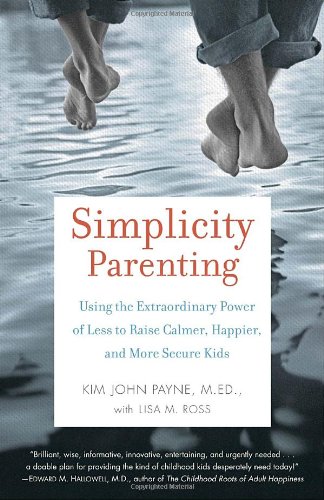
Greenreads: Simplicity Parenting

Do you ever feel kids have too much or are bombarded by too much? 
Media.
Toys.
Junk food.
Choices.
Games.
Books.
Real life adults lead.
Everything!


I love this book written by a Waldorf teacher (educational philosophy geared towards hands-on, natural, rhythmic, artistic, storytelling, simplicity, education, not standardized test-oriented education) and psychologist.

It tells of how children are getting so stressed out and overloaded by information and pleasures that they are in hyper-drive. So she urges parents to simplify their childrens' lives, routines, toys and information received. To in a sense protect our children from getting too much, too fast. "A protected childhood allows for the slow development of identity, well-being, and resiliency. Too much stuff leads to too little time and too little depth in the way kids see and explore their worlds."

She also mentioned every child has quirks, but that when they are stressed (sometimes in ways unbeknownst to us), those quirks turn into diagnosed behavioral problems. "Stress can push children along the behavioral spectrum. When you simplify a child's life on a number of levels, back they come. Behavioral tendencies can be soothed or relaxed by creating calm. We need to simplify in order to create and honor that "calm" for the sake of our children and their divine potential within them. We are here to nuture that potential and help them explore and exerience life in good and natural ways....not just to be entertained by toys, running around stressed from class-to-class, etc.

She walks you through step by step how to simplify in many areas and to create a stable environment in the home by creating daily pockets of predictability for your children and by having less clutter (books, toys, information, etc.). Here are some areas and suggestions (but read the book for more thorough advice and examples).


Toys
We have way too many toys for our children! They don't even play with half of them. "As you decrease the quantity of your child's toys and clutter, you increase their attention and their capacity for deep play."
Keep a few loved toys in clear sight and a few more organized in bins tucked away--reachable, but not always in sight. Get rid of all of the following toys:
1. Broken Toys
2. Developmentally Inappropriate Toys (pack away or donate those outgrown)
3. Conceptually "Fixed" Toys (simple toys allow imagination--not plastic unchangable outfits and TV heroes)
4. Toys That Do Too Much and Break Too Easily
5. High Stimulation Toys
6. Annoying or Offensive Toys
7. Toys that Claim to Give Your Child a Developmental Edge
8. Toys You Are Pressured to Buy
9. Toys that Inspire Corrosive Play (violence)
10. Toy Multiples

Expanding Play from Beyond Toys
Children need to experience (touch, see, feel, do, etc)...not just be entertained. Here are some thoughts for how children can play beyond toys:
Imaginary-Play
Purpose and Industry
Nature
Trial and Error
Social Interaction
Movement
Art & Music

Books
If you're like me you try to collect tons of used kids books. But the author says, "We honor the value of something (like reading) in our child's life by fostering a deep-not disposable--relationship to it." So if you have too much of anything, the child doesn't delve deeply into those things. Picking just one or two books before the child is eight is just fine, with 10 or so other books available as needed. Great books for children are fables and nursery ryhmes because they have rhythm and generally a problem/resolution and principle. Plus, most are based in nature and are very short and simple.
Here are some questions to ask, when thinking about your kids book collection:
Is it developmentally Appropriate?
Is the book based on a product of TV character?
Does it tell an unfolding story or is it "all over the place?"

Rhythm
Rhythm and predictability are what we aim for; predictabilty may be what we can acheive. This predictability help provide security for our children so they feel more happy and calm. She talks about the power of talking to your children more and creating predictability. How often do we run around "living" our lives, but not communicating clearly with our children about what we are doing or what to expect. If we treat them like kids and leave them in the dark. We need to provide pauses to help them know we're about to leave. We need to pick them up face to face and hand in hand, not grab them from behind (which makes them feel insecure and forced) and push them to our next event for the day. Do we help our children see who they are and how they are living and acheive meaning and purpose? Or do they let overwhleming toys, books and media tell them about what life "should" be like? I would suggest that if our children aren't happy, there are inner needs not being met. I always smile when my boy sings, because of the quote "A child who sings is a happy child." And when he seems unhappy and whiny...then I ask myself what I need to do to change my attitude (or stress-level) and how I can better focus on him and simplify.

"Rhythms establish a foundation of cooperation and connection. And relationships are often built in the intervals, the spaces between activities, when nothing much is going on." So don't be too busy.

Also I love the simple dinners built on consistent menus so that consistency is valued more than personal preferences and so that children can be involved to prepare it and clean up together.

Pressure valves: kids need to release steam and energy throughout the day. Ex: right after school and sitting so long...a quiet time might be needed. Or time before bed to slow down and unwind. Storytime is the best example of this and a great chance for parents to connect and help create a picture of the next day for their children. If children don't have these times they have a hard time sleeping at night. Look for opportunities to build a few into your days for your child's sanity.


----------
I stopped taking notes halfway through...so next time I read it I will finish. :)