
July 17, 2013
Healthy Child, Healthy World
Love this video and website!
This website is fantastic for people trying to make little steps towards being healthier and more green!
So click on their website and find topics and subtopics which show simple information and ways to improve your health and home in numerous ways!
http://healthychild.org/healthy-living/


Natural Ways to Treat Sunburns
 |
| Here's a cool picture of sunburn and melanin, fyi... |
Here are some ideas for Homemade ways to treat sunburns...
- Aloe Vera. When it comes to sunburns, most people reach for the aloe vera. It’s the most common natural remedy for burned skin and not to mention…a super easy to maintain house plant.
- Lavender essential oil. This is my favorite remedy for burns. Lavender essential oilsnot only relieves sunburn, but they may also prevent peeling. Find high quality-grade lavender essential oils by clicking here…
- Yogurt. Spread yogurt on your burned skin to help cool and heal. Your best bet is to use full-fat, plain, unsweetened yogurt. Let the yogurt stay on the skin until it warms then rinse off.
- Vinegar. Load apple cider vinegar into a spray bottle, store in the fridge, then spray it on your burn. Is there anything vinegar can’t do!?!
- Tea. Make a pot of strong tea and then use a piece of cloth soaked in the tea by applying it to the sunburn area. You could also make a tea bath and soak in the tub. It’s actually the tannins in tea that help to soothe the burn and heal the skin.
- Potato peels. A vintage remedy for sunburns mentioned in tons of old writings is potato peels. They provide much needed moisture…additionally, they carry natural anti-bacterial properties that aid in healing.
- Cucumber. Try applying thin slices (or a puree) of cold cucumbers directly to the affected area.
Or you can try this recipe (which I plan to tweak using essential oils and such, but haven't gotten to it yet.)
After Sun Spray Recipe
Ingredients* Use organic ingredients whenever possible.
- 2 fl. oz. (60 ml) aloe vera
- 1 fl. oz. (30 ml) lavender hydrosol (flower water)
- 1 fl. oz. (30 ml) peppermint hydrosol (flower water)
- 0.25 fl. oz. (7.5 ml) vegetable glycerin
- 15 drops lavender essential oils
- 5 drops carrot seed essential oils
- 2-3 drops peppermint essential oils, optional
- 10 drops non-GMO vitamin E oil, optional
Method
- Add all ingredients to a glass mason jar.
- Shake jar vigorously to mix.
- Pour mixture into a 4 ounce mister bottle.
- Label bottle with name, contents, and date
- Shelf stable for 1-2 years, depending of quality of raw materials used.
10 Uses for Epsom Salts
Katie at The Wellness Mama made a list of her top uses for Epsom Salt so I thought I'd add some of those ideas under these basic categories...

For Your Body
For Your Body
- Bath or Foot Soak (good for aches) – Add at least 1 cup of epsom salt to a warm bath and soak for 20 minutes. Optional: Add a few drops of essential oil to salt before adding to water.
- Splinter Removal- Soak in concentrated epsom salt water to pull out a splinter.
- Volumizing Hair Mask- Combine equal parts of conditioner and epsom salt and leave on hair for 20 minutes. Rinse well and let air dry for thicker hair.
- Laxative- For occasional constipation, a teaspoon of epsom salt dissolved in water can help. Check with a doctor first.
- Smooth skin- Mix 1/2 cup epsom salt with 1/4 cup olive oil and scrub skin in the shower for healthy and smooth skin. Add a pinch of epsom salt to your usual face cleaner or a skin exfoliating magnesium boost
- Itchy Skin, Bug Bites, Sunburn Relief- Dissolve a tablespoon of epsom salt in to 1/2 cup of water and cool. Spritz on itchy skin or apply a wet compress to help relieve itching.
For Your Garden
- Better Plants- Help house plants grow by adding a couple tablespoons of epsom salt to the water when you water them. A Tablespoon of Epson Salt to the soil below the plant is especially good for tomatoes and roses.
- Get rid of slugs- Have slugs in your garden or on your patio? Sprinkle epsom salt to deter them.
- Soil Prep- Before planting, we add a few bags of epsom salt to the soil in the garden and water in to help replenish soil magnesium levels.
For Your Home
- Tile/Grout Cleaner- Mix equal parts of liquid dish soap and epsom salts and use to scrub tile and grout. Rinse well for a streak free shine.
Make a Change: Start a Petition
I found this website when I was signing a petition for something.
It's awesome! You can create your own petitions for change....anything you believe in and want to get signatures for. Small. Big. Whatever! So I pinned it. But I wanted to share it on my blog too, so any of you can see where to go. It's a convenient way to digitally get your petition out there and share it through social networks and such...much faster than paper and pens walking the neighborhood.
So...find something you want to change and use this tool to make it happen (no...I am not advertising or getting anything for this. Just thought it was cool and wanted to make it accessible). :)
 |
| www.change.org/ |
It's awesome! You can create your own petitions for change....anything you believe in and want to get signatures for. Small. Big. Whatever! So I pinned it. But I wanted to share it on my blog too, so any of you can see where to go. It's a convenient way to digitally get your petition out there and share it through social networks and such...much faster than paper and pens walking the neighborhood.
So...find something you want to change and use this tool to make it happen (no...I am not advertising or getting anything for this. Just thought it was cool and wanted to make it accessible). :)
Improve Eye sight?
The Eye Care Revolution, by Robert Abel
So I came across this book in the library because I wanted to find out how I can help my eyes from progressively getting worse. I believe that glasses are a crutch and don't help correct my eyes (I know Chantel agrees with this too; hence she was always stubborn with contacts--correct me if I'm wrong).
The book was interesting in understanding this theory, but rather boring for all the other details. I skimmed it fast enough to catch his view of things, which I will explain in a bit....
Anyway, so a few months ago I started wearing my glasses/contacts less often (say if I knew I was staying home most of the day). And I'd try some few eye exercises, like staring at an object 10 feet away for 10 seconds every 10 minutes or so after being on the computer (since I'm normally on for an hour or so when I'm on during baby nap time...and I'm sure that's why my eye sight went bad in the first place, since I did that and was in bad lighting all the time in high school when it worsened).
Another exercise it to cover your eyes with your hand every once in awhile and just close your eyes an let them adjust. Basically these give your eyes a chance to come back to "home base" or how they typically should focus. It's a reminder. So just remember to do it frequently during the day, esp when you're staring at the same thing for long periods (like books or computer screens).
I'm not sure if it's helping tremendously or not, but I enjoy understanding that my eyes need breaks, and I like being aware of how to do that, regardless of an immediate outcome or not.
Anyway, the author of this book tells us how he uses iridology in his eye practice to cure people and has had great success. His approach is to find out what health problems the people have (by looking at the map of the eye, whih is a representation of the body). Then he knows which vitamins and minerals can help those affected bodily areas to supplement their eye health with nutritional improvements. I find it a fascinating and balanced life approach, rather than just fixing the eye alone.
see the iridology chart in my other post
---
So I came across this book in the library because I wanted to find out how I can help my eyes from progressively getting worse. I believe that glasses are a crutch and don't help correct my eyes (I know Chantel agrees with this too; hence she was always stubborn with contacts--correct me if I'm wrong).
The book was interesting in understanding this theory, but rather boring for all the other details. I skimmed it fast enough to catch his view of things, which I will explain in a bit....
Anyway, so a few months ago I started wearing my glasses/contacts less often (say if I knew I was staying home most of the day). And I'd try some few eye exercises, like staring at an object 10 feet away for 10 seconds every 10 minutes or so after being on the computer (since I'm normally on for an hour or so when I'm on during baby nap time...and I'm sure that's why my eye sight went bad in the first place, since I did that and was in bad lighting all the time in high school when it worsened).
Another exercise it to cover your eyes with your hand every once in awhile and just close your eyes an let them adjust. Basically these give your eyes a chance to come back to "home base" or how they typically should focus. It's a reminder. So just remember to do it frequently during the day, esp when you're staring at the same thing for long periods (like books or computer screens).
I'm not sure if it's helping tremendously or not, but I enjoy understanding that my eyes need breaks, and I like being aware of how to do that, regardless of an immediate outcome or not.
Anyway, the author of this book tells us how he uses iridology in his eye practice to cure people and has had great success. His approach is to find out what health problems the people have (by looking at the map of the eye, whih is a representation of the body). Then he knows which vitamins and minerals can help those affected bodily areas to supplement their eye health with nutritional improvements. I find it a fascinating and balanced life approach, rather than just fixing the eye alone.
see the iridology chart in my other post
---
Since reading this book, I have met another man who claims to have helped 200 people improve their eye sight by doing exercises and eating lots of carrots. His name is Don Tolman and he has a website if you are interested. But here are some types of exercises I've found online in case anyone wants to try. It takes dedication though. I rarely get farther than four days doing some--so hard to be consistent. But I do believe if my eyes are just weak a little, that I can strengthen the muscles a bit by understanding the eye and by "weight lifting" those muscles (which isn't real weight lifting...just the following exercises).
This is a great way to relax the eyes and muscles around them.
- Sit comfortable on a chair. Rub your hands together until they feel warm.
- Close the eyes and cover them lightly with your cupped palms. Avoid applying pressure on your eye balls. Place the palm so that the nose remains uncovered, and the eyes remain behind the slight hollow of the palms.
- Make sure that no light rays enter the eyes, and leave no gaps between fingers or between the edge of the palms and the nose.
- You may still see other lingering traces of colors. Imagine deep blackness and focus on the blackness.
- Take deep breaths slowly and evenly, think of some happy incident; or visualize a distant scene.
- Do the exercise for at least three minutes.
The following eye patterns are designed to strengthen the muscles of the eyes in a mobilizing way. As you do each one, remember to keep breathing. Also, relax the face—no need for extra tension. Do each one 8 – 10 times.
- Side to Side: Move the eyes right and left so that you are seeing as far to one side as possible without tension. Really see the horizon as you pass from one side to the other.
- Up and Down: Similar to the side to side motion—remember to keep the face relaxed and allow the environment to come to your eyes rather than reaching your eyes out to the environment.
- Diagonals: Work the eyes from right/high to left/low and then left/high to right/low.
- Circles: Working the eyes in circular pathways helps integrate all the muscles together so they function synergistically. Don’t rush, and notice any places in the circle where you tend to “skip.”
- Figure 8’s: Similar to the circular action—try to make the pathways as smooth and relaxed as possible.
- Near and Far: I enjoy doing this one by a window or outside. Play back and forth…focusing on objects near and then seeing how far out in the distance you can see. This is especially useful for people who are in front of a computer all day long. If you don’t have a window near your computer, make sure you take breaks every now and then so your eyes can focus on more distant scenes—which allows your eyes to relax.
**exercises from http://thankyourbody.com/improve-your-eyesight-naturally/
------------
This video helps explain much more in detail: (be prepared...it's long, but even if you just watch the first half, that is all you need. The second half may seem a little too far-out)
------------
This video helps explain much more in detail: (be prepared...it's long, but even if you just watch the first half, that is all you need. The second half may seem a little too far-out)
| Tibetan Eye Circle: exercise he mentions for helping eye muscles exercise to correct astigmatism |
Essential Oils 201: Medical and Skin Care Properties
Here are some helpful charts I've taken from various aromatherapy books that I thought the most helpful by category: Medical, Skin Care, Hair Care, Emotions. They are taken from three sources:
1. DoTerra Book
2. Advanced Aromatherapy, Kurt Schnaubelt
3. The complete Book of Essential Oils and Aromatherapy, Valerie Worwood
sorry they're not the best quality, but I'll try to fix them and update them).
MEDICAL PROPERTIES


HAIR CARE PROPERTIES


1. DoTerra Book
2. Advanced Aromatherapy, Kurt Schnaubelt
3. The complete Book of Essential Oils and Aromatherapy, Valerie Worwood
sorry they're not the best quality, but I'll try to fix them and update them).
MEDICAL PROPERTIES


 |
| The more marks per book, the better the essential oil is for that category. |


SKIN CARE PROPERTIES


HAIR CARE PROPERTIES

EMOTION PROPERTIES
If you have one of the charted emotional concerns, this chart is supposed to reflect whih oils may help counteract those negative emotions. The keyword to the right explains the word that describes the resulting positive emotion connected with each oil.


Aches 101 (head, tummy, knees)
 |
| http://healthfitnessnme.blogspot.com/2013/02/how-to-cure-headaches.html |

------------
And the cool graphic to understand what is troubling your tummy according to region.

Here's one for knees

July 16, 2013
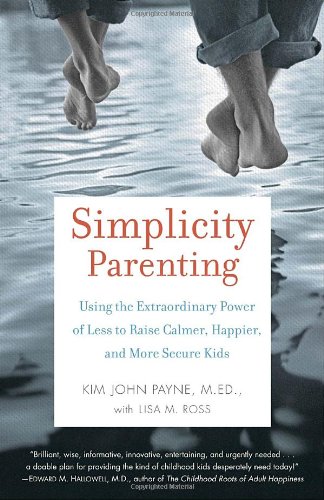
Greenreads: Simplicity Parenting
Do you ever feel kids have too much or are bombarded by too much?
Media.
Toys.
Junk food.
Choices.
Games.
Books.
Real life adults lead.
Everything!
I love this book written by a Waldorf teacher (educational philosophy geared towards hands-on, natural, rhythmic, artistic, storytelling, simplicity, education, not standardized test-oriented education) and psychologist.
 It tells of how children are getting so stressed out and overloaded by information and pleasures that they are in hyper-drive. So she urges parents to simplify their childrens' lives, routines, toys and information received. To in a sense protect our children from getting too much, too fast. "A protected childhood allows for the slow development of identity, well-being, and resiliency. Too much stuff leads to too little time and too little depth in the way kids see and explore their worlds."
She also mentioned every child has quirks, but that when they are stressed (sometimes in ways unbeknownst to us), those quirks turn into diagnosed behavioral problems. "Stress can push children along the behavioral spectrum. When you simplify a child's life on a number of levels, back they come. Behavioral tendencies can be soothed or relaxed by creating calm. We need to simplify in order to create and honor that "calm" for the sake of our children and their divine potential within them. We are here to nuture that potential and help them explore and exerience life in good and natural ways....not just to be entertained by toys, running around stressed from class-to-class, etc.
She walks you through step by step how to simplify in many areas and to create a stable environment in the home by creating daily pockets of predictability for your children and by having less clutter (books, toys, information, etc.). Here are some areas and suggestions (but read the book for more thorough advice and examples).
Toys
We have way too many toys for our children! They don't even play with half of them. "As you decrease the quantity of your child's toys and clutter, you increase their attention and their capacity for deep play."
Keep a few loved toys in clear sight and a few more organized in bins tucked away--reachable, but not always in sight. Get rid of all of the following toys:
1. Broken Toys
2. Developmentally Inappropriate Toys (pack away or donate those outgrown)
3. Conceptually "Fixed" Toys (simple toys allow imagination--not plastic unchangable outfits and TV heroes)
4. Toys That Do Too Much and Break Too Easily
5. High Stimulation Toys
6. Annoying or Offensive Toys
7. Toys that Claim to Give Your Child a Developmental Edge
8. Toys You Are Pressured to Buy
9. Toys that Inspire Corrosive Play (violence)
10. Toy Multiples
Expanding Play from Beyond Toys
Children need to experience (touch, see, feel, do, etc)...not just be entertained. Here are some thoughts for how children can play beyond toys:
Imaginary-Play
Purpose and Industry
Nature
Trial and Error
Social Interaction
Movement
Art & Music
Books
If you're like me you try to collect tons of used kids books. But the author says, "We honor the value of something (like reading) in our child's life by fostering a deep-not disposable--relationship to it." So if you have too much of anything, the child doesn't delve deeply into those things. Picking just one or two books before the child is eight is just fine, with 10 or so other books available as needed. Great books for children are fables and nursery ryhmes because they have rhythm and generally a problem/resolution and principle. Plus, most are based in nature and are very short and simple.
Here are some questions to ask, when thinking about your kids book collection:
Is it developmentally Appropriate?
Is the book based on a product of TV character?
Does it tell an unfolding story or is it "all over the place?"
Rhythm
Rhythm and predictability are what we aim for; predictabilty may be what we can acheive. This predictability help provide security for our children so they feel more happy and calm. She talks about the power of talking to your children more and creating predictability. How often do we run around "living" our lives, but not communicating clearly with our children about what we are doing or what to expect. If we treat them like kids and leave them in the dark. We need to provide pauses to help them know we're about to leave. We need to pick them up face to face and hand in hand, not grab them from behind (which makes them feel insecure and forced) and push them to our next event for the day. Do we help our children see who they are and how they are living and acheive meaning and purpose? Or do they let overwhleming toys, books and media tell them about what life "should" be like? I would suggest that if our children aren't happy, there are inner needs not being met. I always smile when my boy sings, because of the quote "A child who sings is a happy child." And when he seems unhappy and whiny...then I ask myself what I need to do to change my attitude (or stress-level) and how I can better focus on him and simplify.
"Rhythms establish a foundation of cooperation and connection. And relationships are often built in the intervals, the spaces between activities, when nothing much is going on." So don't be too busy.
Also I love the simple dinners built on consistent menus so that consistency is valued more than personal preferences and so that children can be involved to prepare it and clean up together.
Pressure valves: kids need to release steam and energy throughout the day. Ex: right after school and sitting so long...a quiet time might be needed. Or time before bed to slow down and unwind. Storytime is the best example of this and a great chance for parents to connect and help create a picture of the next day for their children. If children don't have these times they have a hard time sleeping at night. Look for opportunities to build a few into your days for your child's sanity.
----------
I stopped taking notes halfway through...so next time I read it I will finish. :)
Media.
Toys.
Junk food.
Choices.
Games.
Books.
Real life adults lead.
Everything!
I love this book written by a Waldorf teacher (educational philosophy geared towards hands-on, natural, rhythmic, artistic, storytelling, simplicity, education, not standardized test-oriented education) and psychologist.
She also mentioned every child has quirks, but that when they are stressed (sometimes in ways unbeknownst to us), those quirks turn into diagnosed behavioral problems. "Stress can push children along the behavioral spectrum. When you simplify a child's life on a number of levels, back they come. Behavioral tendencies can be soothed or relaxed by creating calm. We need to simplify in order to create and honor that "calm" for the sake of our children and their divine potential within them. We are here to nuture that potential and help them explore and exerience life in good and natural ways....not just to be entertained by toys, running around stressed from class-to-class, etc.
She walks you through step by step how to simplify in many areas and to create a stable environment in the home by creating daily pockets of predictability for your children and by having less clutter (books, toys, information, etc.). Here are some areas and suggestions (but read the book for more thorough advice and examples).
Toys
We have way too many toys for our children! They don't even play with half of them. "As you decrease the quantity of your child's toys and clutter, you increase their attention and their capacity for deep play."
Keep a few loved toys in clear sight and a few more organized in bins tucked away--reachable, but not always in sight. Get rid of all of the following toys:
1. Broken Toys
2. Developmentally Inappropriate Toys (pack away or donate those outgrown)
3. Conceptually "Fixed" Toys (simple toys allow imagination--not plastic unchangable outfits and TV heroes)
4. Toys That Do Too Much and Break Too Easily
5. High Stimulation Toys
6. Annoying or Offensive Toys
7. Toys that Claim to Give Your Child a Developmental Edge
8. Toys You Are Pressured to Buy
9. Toys that Inspire Corrosive Play (violence)
10. Toy Multiples
Expanding Play from Beyond Toys
Children need to experience (touch, see, feel, do, etc)...not just be entertained. Here are some thoughts for how children can play beyond toys:
Imaginary-Play
Purpose and Industry
Nature
Trial and Error
Social Interaction
Movement
Art & Music
Books
If you're like me you try to collect tons of used kids books. But the author says, "We honor the value of something (like reading) in our child's life by fostering a deep-not disposable--relationship to it." So if you have too much of anything, the child doesn't delve deeply into those things. Picking just one or two books before the child is eight is just fine, with 10 or so other books available as needed. Great books for children are fables and nursery ryhmes because they have rhythm and generally a problem/resolution and principle. Plus, most are based in nature and are very short and simple.
Here are some questions to ask, when thinking about your kids book collection:
Is it developmentally Appropriate?
Is the book based on a product of TV character?
Does it tell an unfolding story or is it "all over the place?"
Rhythm
Rhythm and predictability are what we aim for; predictabilty may be what we can acheive. This predictability help provide security for our children so they feel more happy and calm. She talks about the power of talking to your children more and creating predictability. How often do we run around "living" our lives, but not communicating clearly with our children about what we are doing or what to expect. If we treat them like kids and leave them in the dark. We need to provide pauses to help them know we're about to leave. We need to pick them up face to face and hand in hand, not grab them from behind (which makes them feel insecure and forced) and push them to our next event for the day. Do we help our children see who they are and how they are living and acheive meaning and purpose? Or do they let overwhleming toys, books and media tell them about what life "should" be like? I would suggest that if our children aren't happy, there are inner needs not being met. I always smile when my boy sings, because of the quote "A child who sings is a happy child." And when he seems unhappy and whiny...then I ask myself what I need to do to change my attitude (or stress-level) and how I can better focus on him and simplify.
"Rhythms establish a foundation of cooperation and connection. And relationships are often built in the intervals, the spaces between activities, when nothing much is going on." So don't be too busy.
Also I love the simple dinners built on consistent menus so that consistency is valued more than personal preferences and so that children can be involved to prepare it and clean up together.
Pressure valves: kids need to release steam and energy throughout the day. Ex: right after school and sitting so long...a quiet time might be needed. Or time before bed to slow down and unwind. Storytime is the best example of this and a great chance for parents to connect and help create a picture of the next day for their children. If children don't have these times they have a hard time sleeping at night. Look for opportunities to build a few into your days for your child's sanity.
----------
I stopped taking notes halfway through...so next time I read it I will finish. :)
July 15, 2013
Why Disease & How to Achieve Health
These are my notes from my chiropractor's class on "Jump STart to Wellness." You could just watch the video, but I thought I'd post my notes with the video too, fo those who don't have the spare hour and a half.
(video will be added in a month, hopefully). It was really interesting though, so here we go...
First of all he gave shocking facts and data about how mess up America's "health" system is. It's not a health system, but a "symptom" system.

You can picture three concentric circles (ordered largest to smallest
SYMPTOMS (which is what our current system is at),
then inside that is
SYSTEMS (which some medical professionals address, but generally from a one-sided view),
then inside that--the center circle--
CAUSE We should be working at the root cause, from a holistic perspective, but much like our whole society (education, health care, etc.), everything is compartmentalized and standardized so that we can't cross areas to find a holistic approach (because that is more mysterious and takes more time and effort).
But, here is the simple holistic perspective of a "Wellness System" instead of our current Health system. IT is called the 1-3-5-7 approach.
1 Cause of Disease
Dis-ease is dis-comfort. This is cause by stress, or rather our inability to adapt to negative stress in our lives. Take for exaample weight-lifting: good? Yes. and no. Good, in that you get stronger as you get through that stress in appropriate amounts. But bad if the amount is too high or too much and your body can't adapt to it. So dis-ease comes when you overdo something. Or, on the flip side, if you under do something--a deficiency. Take for example not getting enough sleep. So when we overload or are deficient in sometype of thing or stressor, and can't deal with that, stress starts to affect us (first in ways we can't see, and unless we nip things in the bud early, those stressors start taking control and we lose some of our ability to control that.
First it starts at the atomic level, then the molecular level, then the cellular level and so on until it surfaces.
3 Areas of Stress
By stress, I don't just mean the type that happens when you don't do your homework. So, let's look at the three areas of stress: physical, chemical and emotional/mental. These are fairly self-explanatory, but a few thoughts.... First off, some stress only applies to one area, but others overlap multiple areas. Some even cause chain-reactions; for eaxmple, emotional stress at work causing you to not sleep and physically not being able to have the energy needed for the next day's work. (bummer cycle, huh?) Also, chemical stress is related to any type of toxins (air we breath, pesticides on our food, ingredients in products we use, etc.). So those are the different types of stress.
5 Key Systems
Ok, next to the systems of your body that get affected by stress, so we can see what we need to do to address them. Don't get me wrong after reading this though...our bodies are not super fragile. God gave them to us as beautiful, resilient temples for our divine spirits. Yet...if we don't pay attention to how we handle stress, then our bodies can become very fragile! And by the way, there is no particular order for most of these systems, except the first two are generally the most important.
1. Nerves - this is the most important system of your body because it runs everything and send messages to your brain and back! If this gets in trouble, then it starts to break down other areas.
2. Hormones (Endocrine) - If these get off, lots of other things get off. Why? Because Nerves communicate to your hormones via electrical, while hormones communicate via chemical. If toxins interfere with this basic communication, then your body gets confused and can't regulate your body's processes for life. I would say adrenal and thyroid in particular are frequent culprits of other problems, but there are all the others. You can take these simple tests if you want to see which of your hormones is off...or look at this graphic below.

3. Digestion - The muddled communication between nerves and hormones does damage to your digestion too. Or damage comes by eating the wrong foods or by eating too quickly or all sorts of other things!
4. Detox - Our bodies need to purge bad and input good. So we need to detox. The basic detox organs are the following: liver, lungs, kidney, gut, skin. IF any of these are out of whack, then there's build-up. So you might need to figure out which one is out and go to it/
5. Structure - Then there's out physical structure. All the nerves go through the spine and out to the appendages and such. If our spine is our of whack, then certain nerves can be pinched and causing problems we might not know can be detected in the spine. This is why chiropractors can be helpful. My chiropractor can tell what it out of alignment when we have a cold. HE even knew my baby had a diaper rash by her spine mis-alignment (which is called a subluxation).
7 Pillars to Wellness
So, it might be useful to look at your life in this idea of seven pillars to keep your framework happy and healthy...
Think Well - control your thoughts and mind. Don't let worry overcome you to despair. Faith and hope really go far in having a happy life. Make the best of what you have--what you can. Be positive. No one wants to be with someone who whines all the time and it wears on people! Trust that things will work out for the best. Limiting thoughts and judgments about yourself or others could limit progression towards potential--both yours and theirs.
Drink Well - drink regularly. Our body is like 70% water or something and that regulates our systems. A little lemon juice in your room-temperature water first thing when you wake up (30 mins before eating) will start your digestive system going strong. And if you feel dehydrated, you've already waited too long to drink. How much? I just focus on at least getting 8 cups a day, but the more the merrier (esp. when hot outside or if more physically active or a larger male or something).

Eat Well - See our health blog for more info, but basically whole foods, minimally processed is the way to go.
Sleep Well - adults need 7-9 hours generally. If you get 4 hours of sleep, then your cells literally think you're getting older (at a faster rate) and can't regenerate as quickly as they should--less efficient.
Move Well - life is movement. Even sitting in an office all day is physical stress, because our bodies are made to more. get up and walk. Even just going from the sitting to standing position is one of the most important moves you can do (research has been done on it)
Love Well - think about your different roles and relationships. which need strengthening? work on one.
Play Well - we need to listen to our inner-child sometimes. laugh a little! Or a lot! Take some time to enjoy the moment and release from responsibility stressors in good and fun ways.
(video will be added in a month, hopefully). It was really interesting though, so here we go...
First of all he gave shocking facts and data about how mess up America's "health" system is. It's not a health system, but a "symptom" system.
You can picture three concentric circles (ordered largest to smallest
SYMPTOMS (which is what our current system is at),
then inside that is
SYSTEMS (which some medical professionals address, but generally from a one-sided view),
then inside that--the center circle--
CAUSE We should be working at the root cause, from a holistic perspective, but much like our whole society (education, health care, etc.), everything is compartmentalized and standardized so that we can't cross areas to find a holistic approach (because that is more mysterious and takes more time and effort).
But, here is the simple holistic perspective of a "Wellness System" instead of our current Health system. IT is called the 1-3-5-7 approach.
1 Cause of Disease
Dis-ease is dis-comfort. This is cause by stress, or rather our inability to adapt to negative stress in our lives. Take for exaample weight-lifting: good? Yes. and no. Good, in that you get stronger as you get through that stress in appropriate amounts. But bad if the amount is too high or too much and your body can't adapt to it. So dis-ease comes when you overdo something. Or, on the flip side, if you under do something--a deficiency. Take for example not getting enough sleep. So when we overload or are deficient in sometype of thing or stressor, and can't deal with that, stress starts to affect us (first in ways we can't see, and unless we nip things in the bud early, those stressors start taking control and we lose some of our ability to control that.
 |
| I like this graphic about stress from some Harvard study. |
3 Areas of Stress
By stress, I don't just mean the type that happens when you don't do your homework. So, let's look at the three areas of stress: physical, chemical and emotional/mental. These are fairly self-explanatory, but a few thoughts.... First off, some stress only applies to one area, but others overlap multiple areas. Some even cause chain-reactions; for eaxmple, emotional stress at work causing you to not sleep and physically not being able to have the energy needed for the next day's work. (bummer cycle, huh?) Also, chemical stress is related to any type of toxins (air we breath, pesticides on our food, ingredients in products we use, etc.). So those are the different types of stress.
5 Key Systems
Ok, next to the systems of your body that get affected by stress, so we can see what we need to do to address them. Don't get me wrong after reading this though...our bodies are not super fragile. God gave them to us as beautiful, resilient temples for our divine spirits. Yet...if we don't pay attention to how we handle stress, then our bodies can become very fragile! And by the way, there is no particular order for most of these systems, except the first two are generally the most important.
1. Nerves - this is the most important system of your body because it runs everything and send messages to your brain and back! If this gets in trouble, then it starts to break down other areas.
2. Hormones (Endocrine) - If these get off, lots of other things get off. Why? Because Nerves communicate to your hormones via electrical, while hormones communicate via chemical. If toxins interfere with this basic communication, then your body gets confused and can't regulate your body's processes for life. I would say adrenal and thyroid in particular are frequent culprits of other problems, but there are all the others. You can take these simple tests if you want to see which of your hormones is off...or look at this graphic below.
3. Digestion - The muddled communication between nerves and hormones does damage to your digestion too. Or damage comes by eating the wrong foods or by eating too quickly or all sorts of other things!
4. Detox - Our bodies need to purge bad and input good. So we need to detox. The basic detox organs are the following: liver, lungs, kidney, gut, skin. IF any of these are out of whack, then there's build-up. So you might need to figure out which one is out and go to it/
5. Structure - Then there's out physical structure. All the nerves go through the spine and out to the appendages and such. If our spine is our of whack, then certain nerves can be pinched and causing problems we might not know can be detected in the spine. This is why chiropractors can be helpful. My chiropractor can tell what it out of alignment when we have a cold. HE even knew my baby had a diaper rash by her spine mis-alignment (which is called a subluxation).
7 Pillars to Wellness
So, it might be useful to look at your life in this idea of seven pillars to keep your framework happy and healthy...
Think Well - control your thoughts and mind. Don't let worry overcome you to despair. Faith and hope really go far in having a happy life. Make the best of what you have--what you can. Be positive. No one wants to be with someone who whines all the time and it wears on people! Trust that things will work out for the best. Limiting thoughts and judgments about yourself or others could limit progression towards potential--both yours and theirs.
Drink Well - drink regularly. Our body is like 70% water or something and that regulates our systems. A little lemon juice in your room-temperature water first thing when you wake up (30 mins before eating) will start your digestive system going strong. And if you feel dehydrated, you've already waited too long to drink. How much? I just focus on at least getting 8 cups a day, but the more the merrier (esp. when hot outside or if more physically active or a larger male or something).
Eat Well - See our health blog for more info, but basically whole foods, minimally processed is the way to go.
Sleep Well - adults need 7-9 hours generally. If you get 4 hours of sleep, then your cells literally think you're getting older (at a faster rate) and can't regenerate as quickly as they should--less efficient.
Move Well - life is movement. Even sitting in an office all day is physical stress, because our bodies are made to more. get up and walk. Even just going from the sitting to standing position is one of the most important moves you can do (research has been done on it)
Love Well - think about your different roles and relationships. which need strengthening? work on one.
Play Well - we need to listen to our inner-child sometimes. laugh a little! Or a lot! Take some time to enjoy the moment and release from responsibility stressors in good and fun ways.
June 24, 2013
7 Principles for Health
I attended the 2013 LDS Holistic Living Conference this last weekend as a room host--volunteer. I loved the experience! I was able to be a host for a few speakers. One of which was Don Tolman. He goes all over the world teaching about how to live healthy, without medications, but with whole foods and wisdom. He believes in Self-care and self-education...not listening to government-given standards and rules, but listening to your body and practicing judgement, and seeking God and the good in ways to improve. He gave us a list of seven principles for good health.
7 Principles of Health
May 29, 2013
Framed Dry-Erase Love Note
Paul had a rough day recently, so I decided to make something I've been meaning to make for a long time. (it just took this rough day to make me decide it was a priority)
The answer...?
A framed picture for dry erase love notes.

It's a great idea and you can use whatever you want as the picture inside. It is simply and old frame with glass inside. I then just found a picture online and tweaked it. It was a white tree on blue background with different initials on it, but I wanted lots of white space for a short love note, so I made a brown tree on white/plain paper and put our initials in the tree instead. Then I added "...love you always" in the bottom right corner. It helps to know how to edit on the computer to do this...but it not, just make something simple in a word document and print it and cut and place inside the fame behind the glass. (Originally I was just going to put a little clip art of two love birds or a heart stamp or something, until I found this other graphic to tweak)
Then write using dry erase markers on the glass. :) I put it in our bedroom so we see it regularly...and it matches our wedding colors (and lifetime favorite colors it seems). And it helps me remember to take time and leave love notes.
If anyone wants this one, I can edit the colors, initials, size and phrase for you if you send me what you want. As long as you aren't super picky and take hours of my time. :P
Keep lovin'...and remember to celebrate each other. It's important to continually "date" and leave notes for each other.
The answer...?
A framed picture for dry erase love notes.

It's a great idea and you can use whatever you want as the picture inside. It is simply and old frame with glass inside. I then just found a picture online and tweaked it. It was a white tree on blue background with different initials on it, but I wanted lots of white space for a short love note, so I made a brown tree on white/plain paper and put our initials in the tree instead. Then I added "...love you always" in the bottom right corner. It helps to know how to edit on the computer to do this...but it not, just make something simple in a word document and print it and cut and place inside the fame behind the glass. (Originally I was just going to put a little clip art of two love birds or a heart stamp or something, until I found this other graphic to tweak)
Then write using dry erase markers on the glass. :) I put it in our bedroom so we see it regularly...and it matches our wedding colors (and lifetime favorite colors it seems). And it helps me remember to take time and leave love notes.
If anyone wants this one, I can edit the colors, initials, size and phrase for you if you send me what you want. As long as you aren't super picky and take hours of my time. :P
Keep lovin'...and remember to celebrate each other. It's important to continually "date" and leave notes for each other.
May 18, 2013
Holistic Approach for Fibromyalgia
Article from http://www.wholesomeone.com/condition/fibromyalgia
What is Fibromyalgia?
Fibromyalgia is a syndrome that overall is characterized by diffuse pain and overwhelming fatigue that can be debilitating. There are several characteristics of the fibromyalgia syndrome (FMS). They can include:
What causes Fibromyalgia Syndrome (FMS)?
The specific cause of fibromyalgia is not known; however, the development of FMS has been typically thought to occur after a significant “stressor.” The stressor may involve a recent illness, including any recent physical or psychological trauma. For some people, the stressor can be as simple as taking an antibiotic that can alter the bowel flora and precipitate a flare of FMS. The role of Candida overgrowth needs to be considered as a significant contributor to the development of FMS.
There has been a lot of research done on the pain receptors in the body. These receptors may do more than just modulate pain; they may also have a role in the development of FMS but also autoimmune diseases/rheumatologic syndromes.
Is Fibromyalgia Syndrome an autoimmune condition?
No, Fibromyalgia Syndrome is NOT an autoimmune condition. Note, however, that FMS may occur on its own but can also occur in the presence of other autoimmune diseases.
What other medical conditions are associated with FMS?
Fibromyalgia can be strongly associated with many other conditions. They can include:
What are the conventional treatments for FMS?
The conventional treatments for FMS involve trying to lessen the pain and disability associated with this condition. Commonly prescribed medications include:
Pregabalin (Lyrica): This medication works by treating nerve and/or muscle pain and is indicated by the FDA for the treatment of FMS. This medication is usually dosed 75 mg twice a day with dose adjustments needing to be made if kidney disease is present.
Duloxetine (Cymbalta): This is a medication also used for the treatment of pain, including nerve pain. It has been used in the treatment of depression as well.
Tricyclic antidepressants have also been used in the treatment of not only pain but also of depression. Other antidepressants, including Fluoxetine (Prozac) and Sertraline (Zoloft), have also been studied not only for the treatment of depression but also for pain with fibromyalgia.
Developing a Holistic Treatment Plan for Fibromyalgia Syndrome (FMS)
The treatment of Fibromyalgia Syndrome (FMS) involves an integrative treatment plan that involves treating mind, body, and spirit. Only using prescription medications is simply not enough for the treatment of this condition. The treatment plan includes correcting nutrient deficiencies, treating pain and inflammation, searching for underlying causes of FMS, evaluating for hormonal imbalance, as well as treating the person so she can get a good night’s rest.
Getting a Holistic Based Evaluation
If you have fibromyalgia syndrome (FMS), you need a detailed and personalized evaluation. This means looking for and identifying any causes of inflammation and potential infections, including Lyme disease. In addition, you should ask your healthcare provider about the following:
Nutritional Recommendations
Forming a solid nutritional plan is vital as those with FMS may be nutrient-depleted. The pain can be so debilitating that one may not feel like eating. It can be very difficult to eat three meals a day. If the food that one is eating is low in nutritional value and is high in Omega 6 content, this can promote further inflammation and pain. Without proper nutrition, your body will not be able to heal. Modifying your diet and supplementation of the correct nutrient deficiencies are key in the treatment of FMS. Your diet should have high antioxidant and high nutritional value.
Anti-Inflammatory Diet

A diet that is plant-based in nature and emphasizes fruits and vegetables and whole grains is necessary in the treatment of fibromyalgia. You want to as much as possible eliminate refined foods from your diet. Be aware of any food sensitivities that you may have that can exacerbate underlying inflammation and pain. Any food has the ability to stimulate an inflammatory response. One of the most common examples of this is gluten in celiac disease. On an anti-inflammatory diet, all possible sources of food sensitivities are eliminated and then reintroduced one at a time.
Other Nutritional Recommendations:
Promoting Intestinal Health:
You read about the connection between Irritable Bowel Syndrome (IBS) and Fibromyalgia Syndrome (FMS). Maintaining a healthy intestinal tract reduces total body inflammation and is very important in the treatment of FMS. This aspect in the treatment of FMS is not emphasized enough. The microflora of the intestinal tract plays such an important role in the modulation of the immune system. Altered gut flora can play a major role in your ability to absorb nutrients, and it can contribute to fungal overgrowth.

Probiotics: These should be a mainstay in any inflammatory condition. They can normalize the bowel flora and replace the bad bacteria with the good intestinal microflora. Studies specific to their benefits in FMS have been mixed, but they do have an effect on immune system modulation and are often included in any anti-inflammatory regimen. In one review article from the Journal of Clinical Gastroenterology, the use of probiotics provided adequate relief in the treatment of diarrhea-predominant IBS.
Digestive enzymes: Consider the use digestive enzymes to help digest food completely which helps in absorption. The ability to maximally absorb nutrients can be affected in those with chronic inflammation.
Fiber: Don’t forget the importance of including fiber in your nutrition program. Not only is it vital for overall bowel health but it can also “bind up” toxins in the intestine and help eliminate them from the body.
Supplementing Naturally
There are different supplements that have a role in the treatment of Fibromyalgia Syndrome. Supplements can help increase energy to the cell and the body, reduce pain and inflammation, help you get a good night’s sleep, and provide nutritional value.
Supplements that Boost Energy to the Cell
D-ribose: There are studies concerning fibromyalgia that tout the energy boost of D-ribose. D-ribose increases the energy to all of the cells of the body, especially the muscle cells. Supplementing with D-ribose can provide your heart with the energy boost that it needs.
Coenzyme Q10 (Ubiquinone): Replacement of this antioxidant can help improve fibromyalgia symptoms. It has been reported that those with fibromyalgia as well as other chronic illnesses can have lower than normal levels of ubiquinone in the body.
Supplements that Help Boost Nutrition:
Magnesium: The role of low magnesium levels in the body and its importance in inflammation, pain, and fatigue is being researched. In one review article, the authors noted lower levels of zinc and magnesium than in the control groups. Magnesium supplementation is necessary to help counteract the fatigue and pain associated with fibromyalgia. Certain medications, such as diuretics, can lower your magnesium levels. There are several ways to increase your magnesium intake:

Vitamin D: The role of Vitamin D deficiency in the development of fibromyalgia is being evaluated; however, in one research article it was noted that in evaluating over seventy-five patients who had been diagnosed with fibromyalgia, over two-thirds had low or low-normal Vitamin D levels. The authors of this study also noted that occurred very frequently in those patients with depression and anxiety. Don’t forget that Vitamin D supplementation is vital for your overall bone and muscle health.
Vitamin C: Remember that Vitamin C is an antioxidant; in terms of cellular health, because it is an electron donor, it helps to reduce oxidative stress and keep the cells in a reduced or natural state. We think that supplementation with Vitamin C may be beneficial. In one small study, 12 individuals with fibromyalgia were given a combination of 100 mg of Vitamin C and broccoli powder. They were closely followed over a period of one month. By the end of the month the participants in the trial reported an improved quality of life and reduced sensitivity to pain. Deficiency of this vitamin can directly impact adrenal health, and FMS can cause a lot of stress on the adrenal glands and is strongly associated with the development of adrenal fatigue, which is strongly associated with Fibromyalgia Syndrome.
Supplements that Relieve Pain and Inflammation:
Bioflavonoids: Good antioxidant support is vital in the treatment of Fibromyalgia. Bioflavonoids are excellent antioxidants that can relieve pain and inflammation. Bioflavonoids that have been studied in the treatment of fibromyalgia include turmeric and quercetin. Quercetin may be especially effective as it has antioxidant, anti-inflammatory and anti-allergenic properties.
Wobenzym N: This is an enzyme supplement that is used in the treatment of inflammation and pain. Enzymes in this supplement include bromelain (from pineapple) and papain (from papaya).
Morinda citrifolia (Noni): This is a tropical plant from East Asia that has been used for many years. It has anti-inflammatory properties and can help in the treatment of pain.
Supplements That Can Help You Get a Good Night’s Sleep:
Melatonin: Melatonin is a natural hormone that is helpful in helping you achieve a good night’s sleep. In those with FMS, one research article points out that melatonin levels are lower at night when sleeping compared to someone who does not have fibromyalgia. Supplementation with melatonin may also help pain in addition to improving the quality of sleep.
Valerian root: This is an herb that can help you get a good night’s rest. There have been several studies examining the efficacy of valerian root in the treatment of insomnia. In one review, the authors concluded that while further study was needed, valerian root seemed to able to improve the quality of sleep without experiencing any significant side effects.
Carefully Developing an Exercise Program

You need to be very careful when designing an exercise program. Strenuous activity and/or high intensity exercise can actually be counterproductive in someone with fibromyalgia. This does not mean that you will not be able to tolerate any and all exercise regimens. It means that you need to be careful, start slowly, and find out what your own limits are and increase very slowly and carefully. Meditative-based exercises can be very beneficial for someone with fibromyalgia.
Being Mindful and Spiritual

An important aspect of healing with fibromyalgia is recognizing the connection between mind, body and spirit. The mental and emotional aspects of treatment cannot be ignored.
References
Subscribe to:
Posts (Atom)