June 26, 2012
Ladies' Goodreads: July 2012
Guernsey Literary and Potato Peel Pie Society
MaryAnn Shaffer, Annie Barrows
“I wonder how the book got to Guernsey? Perhaps there is some sort of secret homing instinct in books that brings them to their perfect readers.” January 1946: London is emerging from the shadow of the Second World War, and writer Juliet Ashton is looking for her next book subject. Who could imagine that she would find it in a letter from a man she’s never met, a native of the island of Guernsey, who has come across her name written inside a book by Charles Lamb....
As Juliet and her new correspondent exchange letters, Juliet is drawn into the world of this man and his friends—and what a wonderfully eccentric world it is. The Guernsey Literary and Potato Peel Pie Society—born as a spur-of-the-moment alibi when its members were discovered breaking curfew by the Germans occupying their island—boasts a charming, funny, deeply human cast of characters, from pig farmers to phrenologists, literature lovers all.
Juliet begins a remarkable correspondence with the society’s members, learning about their island, their taste in books, and the impact the recent German occupation has had on their lives. Captivated by their stories, she sets sail for Guernsey, and what she finds will change her forever.
Written with warmth and humor as a series of letters, this novel is a celebration of the written word in all its guises, and of finding connection in the most surprising ways. (From the publisher.)
*feel free to comment on this book. Charise and I really enjoyed it. I love that it's written in letters.
*summary by litlovers.com
Topics:
Goodreads Reviews
June 18, 2012
Greenreads: Preserving Food without Freezing or Canning
Having extra food on hand is practical and smart--not just for huge disasters and emergencies, but just because. Since I'm working on building my food/cold storage downstairs, but am a little disenchanted with the food storage ideas that aren't healthy, I looked up some stuff at he library and came across this book.
Preserving Food without Freezing or Canning:
Traditional Techniques Using Salt, Oil, Sugar, Alcohol, Vinegar, Drying, Cold Storage, and Lactic Fermentation
by The Gardeners and Farmers of Centre Terre Vivante
Description from Amazon:
Typical books about preserving garden produce nearly always assume that modern "kitchen gardeners" will boil or freeze their vegetables and fruits. Yet here is a book that goes back to the future—celebrating traditional but little-known French techniques for storing and preserving edibles in ways that maximize flavor and nutrition.
Translated into English, and with a new foreword by Deborah Madison, this book deliberately ignores freezing and high-temperature canning in favor of methods that are superior because they are less costly and more energy-efficient (not to mention retains more nutrients).
As Eliot Coleman says in his foreword to the first edition, "Food preservation techniques can be divided into two categories: the modern scientific methods that remove the life from food, and the natural 'poetic' methods that maintain or enhance the life in food. The poetic techniques produce... foods that have been celebrated for centuries and are considered gourmet delights today."
Preserving Food Without Freezing or Canning offers more than 250 easy and enjoyable recipes featuring locally grown and minimally refined ingredients. It is an essential guide for those who seek healthy food for a healthy world.
-----------
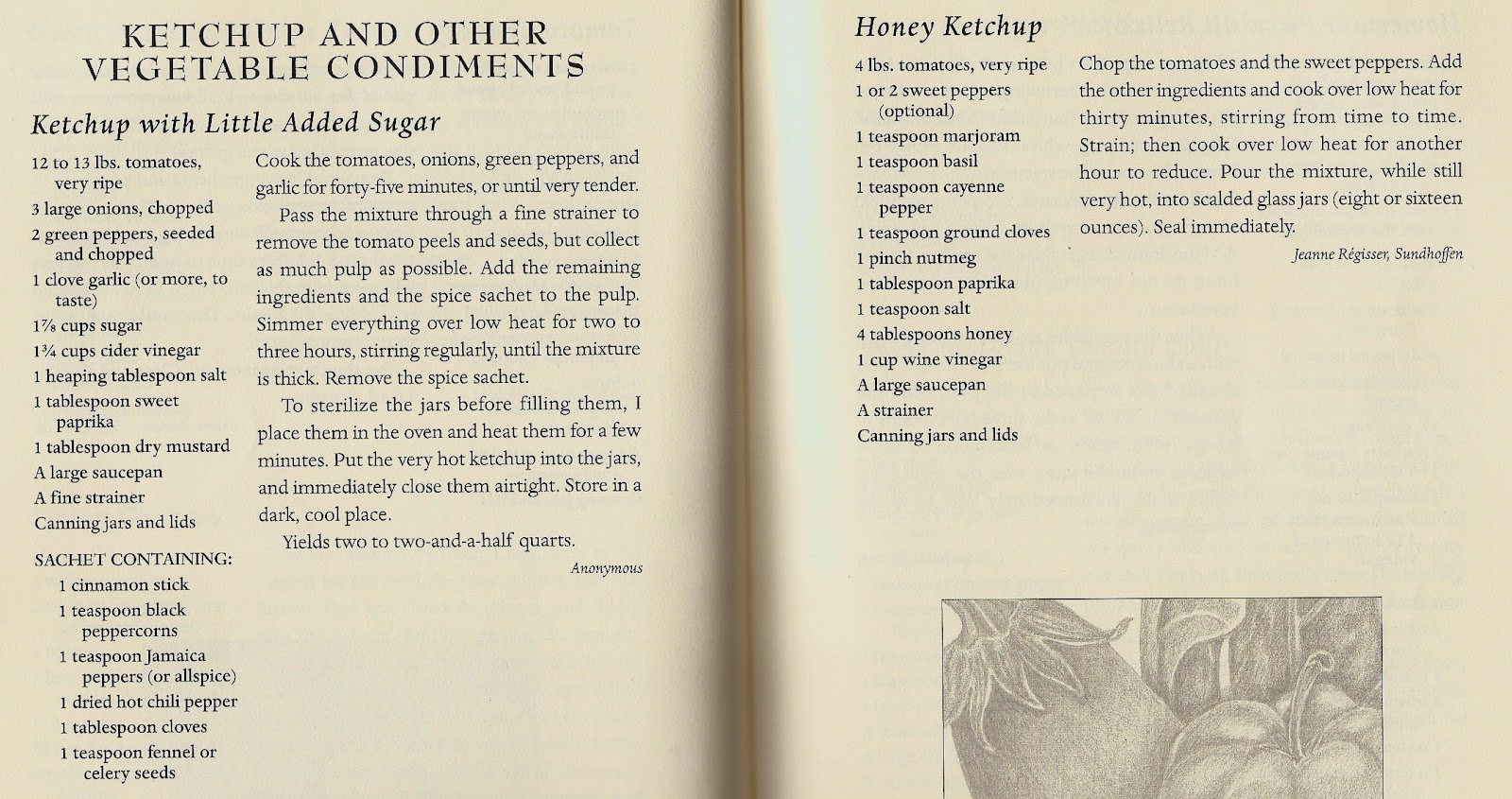
So I skimmed through this and there are some promising recipes if you want to add to your food storage things that you like, will eat/rotate through regularly, etc. Here are a few, though I have yet to try them: (once I do I will post the recipe on our nourish blog...under a Preserving/Food Storage Recipe section)
Topics:
GreenReads
May 1, 2012
Ladies' Goodreads 2012: May
Truman
David McCullough
The life of Harry S. Truman is one of the greatest of American stories, filled with vivid characters -- Roosevelt, Churchill, Stalin, Eleanor Roosevelt, Bess Wallace Truman, George Marshall, Joe McCarthy, and Dean Acheson -- and dramatic events. In this riveting biography, acclaimed historian David McCullough not only captures the man -- a more complex, informed, and determined man than ever before imagined -- but also the turbulent times in which he rose, boldly, to meet unprecedented challenges. The last president to serve as a living link between the nineteenth and the twentieth centuries, Truman's story spans the raw world of the Missouri frontier, World War I, the powerful Pendergast machine of Kansas City, the legendary Whistle-Stop Campaign of 1948, and the decisions to drop the atomic bomb, confront Stalin at Potsdam, send troops to Korea, and fire General MacArthur. Drawing on newly discovered archival material and extensive interviews with Truman's own family, friends, and Washington colleagues, McCullough tells the deeply moving story of the seemingly ordinary "man from Missouri" who was perhaps the most courageous president in our history.
*feel free to leave comments about the book.
David McCullough
The life of Harry S. Truman is one of the greatest of American stories, filled with vivid characters -- Roosevelt, Churchill, Stalin, Eleanor Roosevelt, Bess Wallace Truman, George Marshall, Joe McCarthy, and Dean Acheson -- and dramatic events. In this riveting biography, acclaimed historian David McCullough not only captures the man -- a more complex, informed, and determined man than ever before imagined -- but also the turbulent times in which he rose, boldly, to meet unprecedented challenges. The last president to serve as a living link between the nineteenth and the twentieth centuries, Truman's story spans the raw world of the Missouri frontier, World War I, the powerful Pendergast machine of Kansas City, the legendary Whistle-Stop Campaign of 1948, and the decisions to drop the atomic bomb, confront Stalin at Potsdam, send troops to Korea, and fire General MacArthur. Drawing on newly discovered archival material and extensive interviews with Truman's own family, friends, and Washington colleagues, McCullough tells the deeply moving story of the seemingly ordinary "man from Missouri" who was perhaps the most courageous president in our history.
*feel free to leave comments about the book.
Topics:
Goodreads Reviews
April 30, 2012
2nd Annual Earth Day Party 2012: A Natural You
So this year's Annual Earth Day Party was April 21st--the day before Earth Day (which was on Sunday). And the theme was "A Natural You"--Discovering ways to be more natural: for your
health, hygiene and home. A chance for like-minded individuals to get together
and chat, learn, eat and discuss about how to live more naturally and what that
means.
(...and of course, I forgot to take pictures again...but next year I won't!)
We had fun chatting and sharing thoughts on more natural-type product options in the home for health. And there were quiz questions along the way. Quiz yourself and see how you woud've done:
1. What are the two basic functions of the liver?
a) metabolizes food/breaks down fat and nutrients necessary
b) to get rid of toxins and chemicals
...so if your body is too busy getting rid of chemicals and foreign things in your body, it can't break down the fat in your body. Hence why detoxing is important. And Detoxing can be as simple as using more natural skin/hair care/cleaning products, to eating more organic and less preservatives and such. The less chemicals we're surrounded by, the less our liver has to eliminate and more it can focus on it's main purpose of breaking down our fat.
2. What are the seven chanels of detoxification (ways our body eliminates toxins)?
As we work on each of these channels, we can better rid the toxins from each area...
1. Lungs - what we breath. get fresh air, don't smoke and get aerobic exercise
2. Liver - manager of entire detox process in body
3. Colon - last stop for toxins, before expelled (daily bowel movement). Keeping hydrated helps.
4. Kidneys - produces urine (waste) to expell
5. Skin - what we put on our skin--sweat removes toxins
6. Blood - regular exercise stimulates blood flow and helps the blood transport necessary things through it's system
7. Lymph - immune system and filters bacteria
3. What are three or more things to avoid in processed foods?
a) high fructose corn syrup
b) hydrogenated oils
c) artificial sweetners
d) processed soy products
e) certain food dyes (like red. no.2)
4. True or False: Soaked/Sprout grains are better than whole grain foods.
Whole grains have phytic acid, which inhibits your body's absorption of the nutrients an minerals in the whole grain. So in order to maximize your body's use of the nutritional value of the whole grain, it's best to soak or sprout the whole grain, which starts the process of breaking down that pytic acid so your body doesn't have to work so hard. Picture eating a hard dry seed versus a moist seed that is just starting to sprout. The latter is easier for your body to digest.
5. True or False: when possible, choose vegetable oils over butter for cooking and baking.
Butter is actually a good natural fat, though could give cholesterol problems if over eaten. So although it could potentially be a problem if over done, it's better than any vegetable or canola oils, which are highly processed/refined and not as healthy for your body in their less-natural state. Extra-virgin and unrefined coconut oil are excellent options. And stay away from fake butters and margarines, including most types of shortening (although they have healthier types now)--anything fake plays a toll on our bodies' natural processes.
6. What am I? I can be used as a shampoo, deodorant/odor absorber, toothpaste, gunk remover, water softener, drain cleaner, etc?
Answer: Baking soda (I've tried half of these and appreciate knowing their use as an emergency, though I wouldn't always use them on a regular basis.)
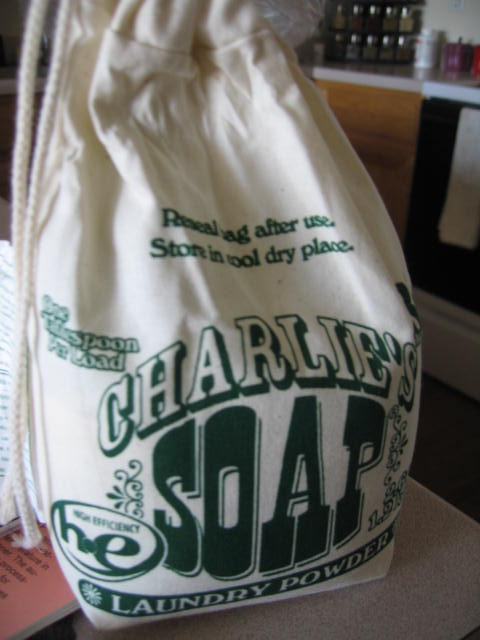
7. What are the main culprits to avoid in laundry detergent?
worst: SLS, phosphates, NPE; other things if possible: enzymes, fabric whiteners, fabric brighteners, fabric softeners, fragrances, bleach
8. Which essential oil is most versatile and safe to use on anyone--therefore a great option to have in your home?
Lavender! It's mild and calming and can be used neat (on skin, undiluted) on children and prgnant women (which is not like many others). It can be used to calm emotions and help you sleep, or on your skin for cuts and cleansing. It also smells great and is a good air freshener.
---
Well, those were the questions. How did you do? Most of us only could answer a few. So this was a guide for our discussions about how to better incorporate things into our home and health that will better help us live more naturally.
Some products highlighted were the Norwex or E-cloth rags/towels (2 different brands) that wipe up 99% of bacteria and eliminate your need to use a cleaning product--just add water or use dry for dusting and it picks up everything. The rags with silver in them are more expensive, but teh silver is anti-bacterial, so it doesn't stay in the rag, like the general purpose e-cloth. Norwex is a multi-level marketing company that charges about $15 per silver rag--which Charise bought and uses and likes. I use the e-cloth general purpose for most things, but then a silver-containing anti-bacterial e-cloth for the wiping up raw chicken juice and such.
Two brands. Two different options. I personally found a good deal online for two general purpose e-cloths for $8 and then also two polishing rags for $8 as well, since they were on a summer sale. And I use the polishing rag for windows and metal surfaces because it wipes them streak-free, very well. The siler-ion rags are about the same as Norwex...just a buck or two cheaper (so I did buy one of them).
I love not needing cleaner. In fact, cleaners take away the effectiveness of these rags, so don't use cleaners or detergent when washing them. You can just boil them in hot water most times and they should last you 600 washes at least. You can put them in the laundry with a touch of detergent if you have natural laundry detergent (free of any of those things listed in the question above about laundry detergents).
---
We also talked about what to avoid in shampoo products and such (see my post on it), and honestly the list is ridiculously long, so I just try to find shampoo with a few ingredients, and all of which seem pretty basic). making your own body wash or shampoo using just a spray bottle with water and some castile soap (plant-based, like Dr. Bronners) and then scenting it with essential oils for smell or for their properties (like rosemary for dry scalp, etc). And everyone got to make their own and take it home. Paul and I use these for body wash (and Paul for his hair too....though I personally don't like it on my long hair, so I use a plant-based shampoo I bought).
If you want, see the post on essential oils 101 to learn more.
---
We also highlighted some natural mineral makeups we use. Minerals are great because it doesn't clog your pores and actually reflects the light better from your face. I've been using it for three years now. I've tried Naked Minerals, Everyday Minerals, Ocean Mist Minerals and Signature Minerals. My favorite are Everyday and Signature. The latter having free samples online if you want to order some to try and just pay $5 shipping. I highly suggest it! After finding my perfect shades for basic foundation I just buy those powders bulk and pour them into my container whenever it gets empty. And I get enless supplies of their sample eye colors that last forever, since I don't wear much. It's a fun way to explore without spending a ton of money and on good natural stuff.
---
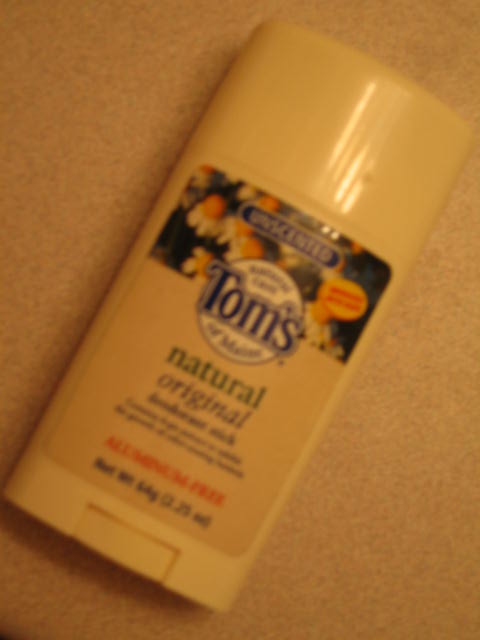
We touched on the no-no's of using anti-perspirant which has aluminum that clogs your sweat pores and gets locked in your shirt's armpit area--yuck. We talked about some natural deodorants to try. We've tried Kiss-My-Face, Tom's and a Deodorant Crystal--our favorite. But switching over will take a week or two transition and the anit-perspirant generally is so full in your clothes and such, that it's hard to get that out. So be patient in trying to explore and realize there are other factors to take into account including your body getting used to not having what it's use to, as well as what your clothes have been used to and might still trigger smells that have been accumulating for awhile.
---
Then we ate some energy bites from Ali and other various salads and pirate booty rice puffs, crackers, trail mix, fruit, etc. See Greek Salad or Fruit Salad Recipe if interested.
(...and of course, I forgot to take pictures again...but next year I won't!)
We had fun chatting and sharing thoughts on more natural-type product options in the home for health. And there were quiz questions along the way. Quiz yourself and see how you woud've done:
1. What are the two basic functions of the liver?
a) metabolizes food/breaks down fat and nutrients necessary
b) to get rid of toxins and chemicals
...so if your body is too busy getting rid of chemicals and foreign things in your body, it can't break down the fat in your body. Hence why detoxing is important. And Detoxing can be as simple as using more natural skin/hair care/cleaning products, to eating more organic and less preservatives and such. The less chemicals we're surrounded by, the less our liver has to eliminate and more it can focus on it's main purpose of breaking down our fat.
2. What are the seven chanels of detoxification (ways our body eliminates toxins)?
As we work on each of these channels, we can better rid the toxins from each area...
1. Lungs - what we breath. get fresh air, don't smoke and get aerobic exercise
2. Liver - manager of entire detox process in body
3. Colon - last stop for toxins, before expelled (daily bowel movement). Keeping hydrated helps.
4. Kidneys - produces urine (waste) to expell
5. Skin - what we put on our skin--sweat removes toxins
6. Blood - regular exercise stimulates blood flow and helps the blood transport necessary things through it's system
7. Lymph - immune system and filters bacteria
3. What are three or more things to avoid in processed foods?
a) high fructose corn syrup
b) hydrogenated oils
c) artificial sweetners
d) processed soy products
e) certain food dyes (like red. no.2)
4. True or False: Soaked/Sprout grains are better than whole grain foods.
Whole grains have phytic acid, which inhibits your body's absorption of the nutrients an minerals in the whole grain. So in order to maximize your body's use of the nutritional value of the whole grain, it's best to soak or sprout the whole grain, which starts the process of breaking down that pytic acid so your body doesn't have to work so hard. Picture eating a hard dry seed versus a moist seed that is just starting to sprout. The latter is easier for your body to digest.
5. True or False: when possible, choose vegetable oils over butter for cooking and baking.
Butter is actually a good natural fat, though could give cholesterol problems if over eaten. So although it could potentially be a problem if over done, it's better than any vegetable or canola oils, which are highly processed/refined and not as healthy for your body in their less-natural state. Extra-virgin and unrefined coconut oil are excellent options. And stay away from fake butters and margarines, including most types of shortening (although they have healthier types now)--anything fake plays a toll on our bodies' natural processes.
6. What am I? I can be used as a shampoo, deodorant/odor absorber, toothpaste, gunk remover, water softener, drain cleaner, etc?
Answer: Baking soda (I've tried half of these and appreciate knowing their use as an emergency, though I wouldn't always use them on a regular basis.)
7. What are the main culprits to avoid in laundry detergent?
worst: SLS, phosphates, NPE; other things if possible: enzymes, fabric whiteners, fabric brighteners, fabric softeners, fragrances, bleach
8. Which essential oil is most versatile and safe to use on anyone--therefore a great option to have in your home?
Lavender! It's mild and calming and can be used neat (on skin, undiluted) on children and prgnant women (which is not like many others). It can be used to calm emotions and help you sleep, or on your skin for cuts and cleansing. It also smells great and is a good air freshener.
---
Well, those were the questions. How did you do? Most of us only could answer a few. So this was a guide for our discussions about how to better incorporate things into our home and health that will better help us live more naturally.
Some products highlighted were the Norwex or E-cloth rags/towels (2 different brands) that wipe up 99% of bacteria and eliminate your need to use a cleaning product--just add water or use dry for dusting and it picks up everything. The rags with silver in them are more expensive, but teh silver is anti-bacterial, so it doesn't stay in the rag, like the general purpose e-cloth. Norwex is a multi-level marketing company that charges about $15 per silver rag--which Charise bought and uses and likes. I use the e-cloth general purpose for most things, but then a silver-containing anti-bacterial e-cloth for the wiping up raw chicken juice and such.
Two brands. Two different options. I personally found a good deal online for two general purpose e-cloths for $8 and then also two polishing rags for $8 as well, since they were on a summer sale. And I use the polishing rag for windows and metal surfaces because it wipes them streak-free, very well. The siler-ion rags are about the same as Norwex...just a buck or two cheaper (so I did buy one of them).
I love not needing cleaner. In fact, cleaners take away the effectiveness of these rags, so don't use cleaners or detergent when washing them. You can just boil them in hot water most times and they should last you 600 washes at least. You can put them in the laundry with a touch of detergent if you have natural laundry detergent (free of any of those things listed in the question above about laundry detergents).
| this is what I use...it's mostly coconut soap and does a fine job for basics everyday washing. |
---
We also talked about what to avoid in shampoo products and such (see my post on it), and honestly the list is ridiculously long, so I just try to find shampoo with a few ingredients, and all of which seem pretty basic). making your own body wash or shampoo using just a spray bottle with water and some castile soap (plant-based, like Dr. Bronners) and then scenting it with essential oils for smell or for their properties (like rosemary for dry scalp, etc). And everyone got to make their own and take it home. Paul and I use these for body wash (and Paul for his hair too....though I personally don't like it on my long hair, so I use a plant-based shampoo I bought).
If you want, see the post on essential oils 101 to learn more.
---
We also highlighted some natural mineral makeups we use. Minerals are great because it doesn't clog your pores and actually reflects the light better from your face. I've been using it for three years now. I've tried Naked Minerals, Everyday Minerals, Ocean Mist Minerals and Signature Minerals. My favorite are Everyday and Signature. The latter having free samples online if you want to order some to try and just pay $5 shipping. I highly suggest it! After finding my perfect shades for basic foundation I just buy those powders bulk and pour them into my container whenever it gets empty. And I get enless supplies of their sample eye colors that last forever, since I don't wear much. It's a fun way to explore without spending a ton of money and on good natural stuff.
---
We touched on the no-no's of using anti-perspirant which has aluminum that clogs your sweat pores and gets locked in your shirt's armpit area--yuck. We talked about some natural deodorants to try. We've tried Kiss-My-Face, Tom's and a Deodorant Crystal--our favorite. But switching over will take a week or two transition and the anit-perspirant generally is so full in your clothes and such, that it's hard to get that out. So be patient in trying to explore and realize there are other factors to take into account including your body getting used to not having what it's use to, as well as what your clothes have been used to and might still trigger smells that have been accumulating for awhile.
---
Then we ate some energy bites from Ali and other various salads and pirate booty rice puffs, crackers, trail mix, fruit, etc. See Greek Salad or Fruit Salad Recipe if interested.
Topics:
Earth Day Stuff,
Educate,
Eliminate,
Natural Products
April 27, 2012
Hen Haven: Our Chickens and Coop
So we got baby chicks near the end of March and had them indoors, heat lamp and all...but they were so big for their tub by this last week, that we were ready to move them outside and get them use to the outdoor temperatures and situation.
We got four types: Ameracauna--will lay green eggs ("Scratch-n-Sniff" because she's bi-polar and always scratching everything and seems kind of jumpy), Buff Orpington--will lay light brown eggs ("Sandy" because of her color--she's the smallest and most timid, but I assume she'll plump out when bigger), Plymouth Barred Rock--will lay light brown eggs ("Rocky"), and a California White Leghorn--will lay white eggs ("California" because the breed and color and it seems to just fit her). They definitely have personalities and are so fun to hold and pet. And I think they've finally outgrown their overly jumpy stage at every little noise.
I'm glad to be out of the baby chick stage, because although cute, they poop and throw pine shaving all over everything--in their food and water and such. They're not very clean. So, I was happy to hurry up and finish building the coop so I didn't have to deal with cleanliness-issues as much.
I built the A-frame last fall with scrap lumber from dumpsters in the neighbor (from all the house building going on our street). And then last week I finished the rest and painted it and added the chicken wire (which was the least fun part--that stuff is pokey!). And the most expensive part was the primer and paint and screws, because the rest of the stuff I scavenged for free. The green is called "Garden of Paradise," which I thought was pretty cool.
Honestly, it was hard to make and I didn't have any set plan to follow, since I just was using scrap wood and making the fewest amounts of cuts possible into a plan that seemed practical and most convenient for me--and so I didn't have to use the scary wood saw cutter thing that is ridiculously loud. And I probably won't do it again. But I'm glad a did it, and that it's now over with and I can just stare at it and think..."I have chickens in my back yard. Alright!"
Money-wise, does this make sense? Short-term, no. Long-term...break-even if not saving a little money, if you're smart about it and don't spend tons of money on a coop and fancy stuff you don't need.
The chicks cost between $2.50 and $3.50 each. Then we had to buy a heat lamp and bulb (abt. $15) and some pine shavings (abt. $12 that will last a year or more) and some medicated chick food for their first 18 weeks...about $15). Then we bought the water and food containers for about $8. Total that up and it's not bad, considering we buy between 2-3 dozen eggs a month I think. The coop cost about $40 to make (using paint and nails and hinges I had to buy, but we have tons of paint left oveR). The main cost that recurs is their food, but they eat anything and we made it so that the tractor will move and they can forage, so their food supply is supplemented by foraging and our kitchen scraps (that we choose not to put in the compost).
I'll probably post an update in a few months, once they start producing eggs and see if I'm still liking this all and how the coop is working out. I'm sure by then it will have the wheels, so we can move it around more easily--like a tractor. :)
We got four types: Ameracauna--will lay green eggs ("Scratch-n-Sniff" because she's bi-polar and always scratching everything and seems kind of jumpy), Buff Orpington--will lay light brown eggs ("Sandy" because of her color--she's the smallest and most timid, but I assume she'll plump out when bigger), Plymouth Barred Rock--will lay light brown eggs ("Rocky"), and a California White Leghorn--will lay white eggs ("California" because the breed and color and it seems to just fit her). They definitely have personalities and are so fun to hold and pet. And I think they've finally outgrown their overly jumpy stage at every little noise.
I'm glad to be out of the baby chick stage, because although cute, they poop and throw pine shaving all over everything--in their food and water and such. They're not very clean. So, I was happy to hurry up and finish building the coop so I didn't have to deal with cleanliness-issues as much.
I built the A-frame last fall with scrap lumber from dumpsters in the neighbor (from all the house building going on our street). And then last week I finished the rest and painted it and added the chicken wire (which was the least fun part--that stuff is pokey!). And the most expensive part was the primer and paint and screws, because the rest of the stuff I scavenged for free. The green is called "Garden of Paradise," which I thought was pretty cool.
Honestly, it was hard to make and I didn't have any set plan to follow, since I just was using scrap wood and making the fewest amounts of cuts possible into a plan that seemed practical and most convenient for me--and so I didn't have to use the scary wood saw cutter thing that is ridiculously loud. And I probably won't do it again. But I'm glad a did it, and that it's now over with and I can just stare at it and think..."I have chickens in my back yard. Alright!"
Money-wise, does this make sense? Short-term, no. Long-term...break-even if not saving a little money, if you're smart about it and don't spend tons of money on a coop and fancy stuff you don't need.
The chicks cost between $2.50 and $3.50 each. Then we had to buy a heat lamp and bulb (abt. $15) and some pine shavings (abt. $12 that will last a year or more) and some medicated chick food for their first 18 weeks...about $15). Then we bought the water and food containers for about $8. Total that up and it's not bad, considering we buy between 2-3 dozen eggs a month I think. The coop cost about $40 to make (using paint and nails and hinges I had to buy, but we have tons of paint left oveR). The main cost that recurs is their food, but they eat anything and we made it so that the tractor will move and they can forage, so their food supply is supplemented by foraging and our kitchen scraps (that we choose not to put in the compost).
I'll probably post an update in a few months, once they start producing eggs and see if I'm still liking this all and how the coop is working out. I'm sure by then it will have the wheels, so we can move it around more easily--like a tractor. :)
Topics:
Nifty-Thrifty,
Resourceful,
Suburban Homestead
April 6, 2012
Essential Oils 201: Art of Blending Oils
How to Blend Essential Oils
There are four blending classifications. The following information explains the characteristics of each classification, the order in which they should be added to the blend (Personifiers first, Enhancers second, Equalizers third, and Modifiers fourth), and the amount of each type of oil as a percentage of the blend.
How to dilute for various methods of application...
Blending essential oils is an art and usually requires a little bit of training and experimentation. If you choose to create your own blends, it is important to understand that the order in which the essential oils are blended is key to maintaining the desired therapeutic properties in a synergistic blend. An alteration in the sequence of adding selected essential oils to a blend may change the chemical properties, the fragrance, and thus the desired results. In general, essential oils that are from the same botanical family, usually blend well together. In addition, essential oils that share common constituents also mix well.
- The Personifier (1-5% of the blend) essential oils have very sharp, strong and long-lasting fragrances. They also have dominant properties with strong therapeutic action. Essential oils in this classification may include: angelica, birch, cardamom, cinnamon bark, cistus, Clary sage, clove, coriander, German chamomile, ginger, helichrysum, mandarin, neroli, nutmeg, orange, patchouly, peppermint, petitgrain, rose, spearmint, tangerine, terragon, wintergreen and ylang ylang.
- The Enhancer (50-80% of the blend) essential oil should be the predominant essential oil as it serves to enhance the properties of the other essential oils in the blend. Its fragrance is not as sharp as the personifiers and is usually of a shorter duration.Essential oils in this classification may include: basil, bergamot, birch, cajeput, cedarwood, cumin, dill, eucalyptus, frankincense, galbanum, geranium, grapefruit, hyssop, jasmine, lavender, lemon, lemongrass, lime, marjoram, melaleuca (Tea Tree), melissa, myrtle, orange, oregano, palmarosa, patchouly, petitgrain, ravensara, roman chamomile, rose, rosemary, sage, spruce, thyme, wintergreen.
- The Equalizer (10-15% of the blend) essential oils create balance and synergy among the essential oils contained in the blend. Their fragrance is also not as sharp as the personifier and is of a shorter duration.Essential oils in this classification may include: basil, beramot, cedarwood, cypress, fennel, fir, frankincense, geranium, ginger, hyssop, jasmine, juniper, lavender, lemongrass, lime, marjoram, melaleuca (Tea Tree), melissa, myrrh, myrtle, neroli, oregano, pine, roman chamomile, rose, rosewood, sandalwood, spruce, tarragon, thyme.
- The Modifier (5-8% of the blend) essential oils have a mild and short fragrance. These essential oils add harmony to the blend.Essential oils in this classification may include: angelica, bergamot, cardamom, coriander, eucalyptus, fennel, grapefruit, hyssop, jasmine, avender, lemon, mandarin, melissa, myrrh, neroli, petitgrain, rose, rosewood, sandalwood, tangerine, ylang ylang.
Depending on the topical application of your blend, you will want to add some carrier/base oil. When creating a therapeutic essential oil blend, you may want to use about 28 drops of essential oil to 1/2 oz. of carrier/base oil. When creating a body massage blend, you will want to use a total of about 50 drops of essential oils to 4 oz. of carrier/base oil. Remember to store your fragrant creation in dark-colored glass bottles.
Here are some helpful charts on blending properties, smells and dilutions:
How to dilute for various methods of application...
Perfume: 15-30% essential oil, 90-95% alcohol, 5-10% water
*sources: three books....
Advanced Aromatherapy by Kurt Schnaubelt
Modern Essentials, DoTerra
complete Guide to Essential Oils and Aromatherapy by Valerie Worwood
Topics:
Alternative Healing,
Aromatherapy
Kitchen & Living Room: Crafting and Color Fun
So, it's hard to create without inspiration and motivation. My motivation is that I'm going to have a second kid soon and then what extra time will I have to do silly little things like I'm posting about that make me feel like I'm creative. (j/k...I'll still have/find time, but it will take more effort, that's for sure). Anyway...allow me to continue...
These are a few little things I've been doing for my kitchen and Living room...
| INSPIRATION: the colors and the leaves above back sliding door... |
| The green paper is cool because it's design isn't all over, just on one side of the paper, so it's adds a fun flare, but I'm not sure if you can tell that from the photo. |
LIVING ROOM INSPIRATION: No, not Ethan, although he is inspiration enough for other areas of my life. :) It was the colors and busy patterns of curtains...
More Bathroom Creativity
Ok, like I've been telling some of you, I'm in this "project-craze" mode of pregnancy and just want to be doing crafts and colorful things and such. So here are a few things I've done to add little touches to my two bathrooms.
| Found a $1.50 scale at Thrift Store and modpodged paper onto it, since it was ugly before. Now it matches and looks feminine (subtly). |
Garden Highlight: Asparagus Patch
So, I've never known a thing about asparagus until I read Animal, Vegetable, Miracle and read about this family that lived for a year on all local or homegrown things. And I thought, wow...a perennial asparagus plant would supply our desire for garlic roasted asparagus and asparagus soup.
So, I looked into it and planted an asparagus plant recently. And because we bought it mature, we've already been able to harvest one spear (though they can grow up to 6 inches in a day if you don't watch them--like this one grew four inches before I realized I should've cut it the day before).
In case you're unsure of how it works, you generally plant these dead looking long roots that look octupus-ish in a 12 inch deep trench and barely cover, then water. Each day you add more soil until it's back to ground level. They start shooting spears out of the ground. You cut them when 6-8 inches tall and 1/4-1/2 inch think. But don't cut the thin ones, because they either are the male spears that haven't gotten big enough this year, or the female spears that pollinate the other. So leave those all to reseed this fall and you'll start having a "weed patch" of lots of asparagus.
Be patient. These plants are perennial and will produce for up to two decades generally, but they take about 3 years to really establish most of the time (except we bought ours already 1-2 years old, which helps. The crowns are just a few bucks and since they proliferate you don't need many. But plant them in full sun, good soil (with extra phosphate and good drainage). But they love water, as long as they don't sit in it and get root rot. And they normally just are harvestable in spring for a few weeks.
So, hopefully it will keep growing well and be a faithful garden keeper and mulitplier. :)
So, I looked into it and planted an asparagus plant recently. And because we bought it mature, we've already been able to harvest one spear (though they can grow up to 6 inches in a day if you don't watch them--like this one grew four inches before I realized I should've cut it the day before).
In case you're unsure of how it works, you generally plant these dead looking long roots that look octupus-ish in a 12 inch deep trench and barely cover, then water. Each day you add more soil until it's back to ground level. They start shooting spears out of the ground. You cut them when 6-8 inches tall and 1/4-1/2 inch think. But don't cut the thin ones, because they either are the male spears that haven't gotten big enough this year, or the female spears that pollinate the other. So leave those all to reseed this fall and you'll start having a "weed patch" of lots of asparagus.
Be patient. These plants are perennial and will produce for up to two decades generally, but they take about 3 years to really establish most of the time (except we bought ours already 1-2 years old, which helps. The crowns are just a few bucks and since they proliferate you don't need many. But plant them in full sun, good soil (with extra phosphate and good drainage). But they love water, as long as they don't sit in it and get root rot. And they normally just are harvestable in spring for a few weeks.
So, hopefully it will keep growing well and be a faithful garden keeper and mulitplier. :)
Topics:
Gardening,
Suburban Homestead
March 29, 2012
Ladies' Goodreads: April
Siddhartha
by Hermann Hesse
Set in India, "Siddhartha" is the story of a young Brahmin's search for ultimate reality after meeting with the Buddha. His quest takes him from a life of decadence to asceticism, from the illusory joys of sensual love with a beautiful courtesan, and of wealth and fame, to the painful struggles with his son and the ultimate wisdom of renunciation.
Integrating Eastern and Western spiritual traditions with psychoanalysis and philosophy, this strangely simple tale, written with a deep and moving empathy for humanity, has touched the lives of millions since its original publication in 1922.
*I remember reading it in middle school and rather enjoying it, though I dont' recall much. So I'm happy to read it again. Please leave your thoughts and comments after reading the book.
(I've switched the Hunger Games book to later, since with the movie coming out this month everyone has the book on hold at the library so most likely it won't be available for a long time. I suggest putting it on hold now for a later date.)
Topics:
Goodreads Reviews
March 13, 2012
Simple Fix Up Project: Bathroom Foot Stool
Well, I finally got around to Ethan's foot stool project.
I bought an ugly old thing this last summer for $.50 and thought I'd have fun with it someday....
Well, that was this last week. I finally got to sanding it down and painting it green to match the bathroom. (We had this color on hand for the chicken coop I hope to paint that color too). And I found some paper that matches the bathroom pretty well, in my paper supply. So the total cost of this was nothing, but the time to do it...which took an hour when you add up all the time--so not too bad.
So...don't throw away old things if you can paint them and fix them up to match!
And don't underestimante other's junk, if you can see potential in it.
Ethan is much more excited about it now, so that's good.
Topics:
Nifty-Thrifty,
Reduce-Reuse-Recycle
March 10, 2012
A Few Natural Laundry Tips
Here's a list of simple ways to start adding more natural ingredients to your laundry routine: (though I've only used a few, so I can't verify how amazing they all are)
Add ½ cup of white vinegar to the rinse cycle to soften fabrics and
neutralize odors.
Boost the cleansing and brightening power of detergent by adding ¼ cup baking soda to the wash cycle.
Use a wool dryer ball or roll an un-dyed wool sock into a tight doughnut
shape and add to the dryer to decrease drying time, wrinkles and static
build-up.
Add fresh scent by placing several drops of lavender essential oil on a
clean cloth and tossing into the dryer during the cool-down phase.
Attach a mesh bag filled with sustainable coconut shell-derived charcoal to
the inside of the lid of your clothes hamper to absorb odors.
Run an empty wash cycle once a month with hot water and 1 cup each of white
vinegar and baking soda. Add 1 teaspoon of tea tree oil to purify and eliminate
odors from machine.
Clean and vacuum vents and ductwork of dryer at least twice a year.
Add ½ teaspoon of lavender oil to the rinse cycle if you are line drying
clothes.
Use an indoor drying rack (especially during dry winter months).
----
----
Stain-fighting Spray
1 teaspoon tea tree essential oil
1 teaspoon lemon essential oil
16 ounces unscented liquid Castile (olive oil) soap
16 ounces filtered water
1 teaspoon lemon essential oil
16 ounces unscented liquid Castile (olive oil) soap
16 ounces filtered water
Directions: Blend oils into soap, then stir in
water. Fill a 32-ounce spray bottle with mixture. Apply to stains and scrub with
a soft brush before washing.
*from auracacia.com
Topics:
Homemade Cleaning,
Resourceful
March 8, 2012
Anemic--Low Iron? Where to start?
Ever wondered how to get iron in besides eating meat and taking iron supplements that don't work and make you constipated? Most women should get 18mg iron each day. But for us pregnant women we should get 30-60mg (or in my anemic case 70mg).
Well, my midwife gave me a list of iron foods, which includes whole grains, meats, vegetables/fruits, lentils, etc. (I never realized just eating whole grains can contribute as much as it does.) Which I will put another list I found online at the end of this post (so I don't have to type of the list she gave me, though I really like it.
-----
She also gave me these three things (which she told me would help since I have anemia):
1. Chlorophyll (whole food): 1T/day (but she told me 1/4 c now, while I'm pregnant, since I'm so low...otherwise regularly 1 T is fine. Just find it at a natural foods isle by the probiotics most likely. Mine was at smiths, but if not there, then a local health/nutrition store would for sure have it).
To read my post about this great supplement, click here: http://2nourishyourbody.blogspot.com/2012/02/whole-food-chlorophyll-supplement.html
2. Ferum Phosphate - a homeopathic supplement which helps carry the oxygen (i use one a day by just dissolving it under my tongue atleast 15 mins before and after I drink anything. And I got it at a nutrition store in the homeopathic isle--not all health food stores have homeopathics.)
3. Iron Supplement - if you have one already, most likely it's iron sulfate (which she says is silly, because it absorbs like 1% and is the most typical people pick up, unless they specifically look for the more beneficial irons). So look for Ferrous Fumerate or Ferrous Glyconate instead --which are organic iron and therefore is absorbed much better than ferrous sulphate.
In addition, a good supplement will also include Bcomplex and vitamin C, which aid iron absorbtion (but you can always take those separately, but at the same time, if you already have those supplements in your cabinet). And don't take with dairy, which doesn't aid iron absorption.
-----
Iron Rich Vegetables (1/2 cup cooked),
Iron Value in mg
Sea vegetables = 18.1- 42.0
Swiss chard = 2
Turnip greens = 1.6
Sweet potatoes, canned = 1.7
Turnip greens = 1.6
Pumpkin, cooked = 1.7
Potato, baked with skin = 1.7
Turnip greens = 1.6
Watermelon, 1/8 medium = 0.5
Prune juice, 4 oz = 1.5
Spinach cooked = 1.5
Beet greens cooked = 1.4
Potato, 1 large = 1.4
Bok choy cooked = 0.7
Peas, cooked = 0.65
Green beans, cooked = 0.60
Tomato juice = 0.6
Broccoli, cooked = 0.55
High Iron Legumes(1/2 cup cooked)
Iron Value in mg
Lentils = 3.2
Black eye beans = 2.6
Navy beans = 2.5
Pinto beans = 2.2
Lima beans = 2.2
Kidney beans Rajmah = 1.5
Chickpeas (200 g) = 6.2
High Iron Soy foods
(1/2 cup cooked)
Iron Value in mg
Tofu = 6.6
Soybeans = 4.4
Tempeh = 1.8
Soy milk = 0.9
High Iron Nuts & Seeds
(2 Tablespoon)
Iron Value in mg
Pumpkin seeds = 2.5
Figs, dried, 5 = 2.0
Dried apricot, 5 = 1.6
Almond, 1/4 cup = 1.3
Tahini = 1.2
Sesame = 1.2
Sunflower seeds = 1.2
Cashew nuts = 1.0
High Iron Breads, Cereals and grains
Value in mg
Bran flakes, 1 cup = 11.0
Oatmeal, 1 packet = 6.3
Pasta, 1 cup, cooked = 1.7
Semolina, 1/2 cup cooked = 5.5
Wheat germ, 2 tablespoon = 1.2
Whole wheat bread, 1 slice = 0.9
White bread, 1 slice = 0.7
Topics:
Alternative Healing,
Wellness
February 29, 2012
Essential Oils 202: Some Basic Blends
As I've looked around at essential oils and popular blends, I've noted which oils are in what types of blends, so you can recreate your own.
Breathe Easy: Eucalyptus, lemon, peppermint, rosemary
Theives: (based on 5 theives during black plague surviving with this cleansing blend: highly anti-infectious, antiviral, antibacterial, and antiseptic) cinnamon, clove, eucalyptus, lemon, rosemary
Deep Blue: (Sore muscles) wintergreen, peppermint, etc.
Headaches: lavendar, peppermint, wintergreen, basil, rosemary
Purify: (bugbigs or air) lemon, lime, teatree
Outdoor bugs: lemongrass, lemon eucalyptus, etc.
Which Oils for Baby: (over two years old) lavendar, lemon, bergamot, chamomiles, tangerine/mandarin
Which oils for Pregnancy: lavendar, flowery ones, citruses, frankinsence, spearmint
Breathe Easy: Eucalyptus, lemon, peppermint, rosemary
Theives: (based on 5 theives during black plague surviving with this cleansing blend: highly anti-infectious, antiviral, antibacterial, and antiseptic) cinnamon, clove, eucalyptus, lemon, rosemary
Deep Blue: (Sore muscles) wintergreen, peppermint, etc.
Headaches: lavendar, peppermint, wintergreen, basil, rosemary
Purify: (bugbigs or air) lemon, lime, teatree
Outdoor bugs: lemongrass, lemon eucalyptus, etc.
Which Oils for Baby: (over two years old) lavendar, lemon, bergamot, chamomiles, tangerine/mandarin
Which oils for Pregnancy: lavendar, flowery ones, citruses, frankinsence, spearmint
Topics:
Aromatherapy,
Wellness
February 27, 2012
Ladies' Goodreads - March 2012
To Kill A Mockingbird
Harper Lee
The unforgettable novel of a childhood in a sleepy Southern town and the crisis of conscience that rocked it, To Kill A Mockingbird became both an instant bestseller and a critical success when it was first published in 1960. It went on to win the Pulitzer Prize in 1961 and was later made into an Academy Award-winning film, also a classic.
Compassionate, dramatic, and deeply moving, To Kill A Mockingbird takes readers to the roots of human behavior - to innocence and experience, kindness and cruelty, love and hatred, humor and pathos. Now with over 18 million copies in print and translated into forty languages, this regional story by a young Alabama woman claims universal appeal. Harper Lee always considered her book to be a simple love story. Today it is regarded as a masterpiece of American literature.
*please leave your comment and thoughts about the book--or movies based on the book
Topics:
Goodreads Reviews
Subscribe to:
Posts (Atom)